



 Spices.pk
⚡ Accepted Payment Methods


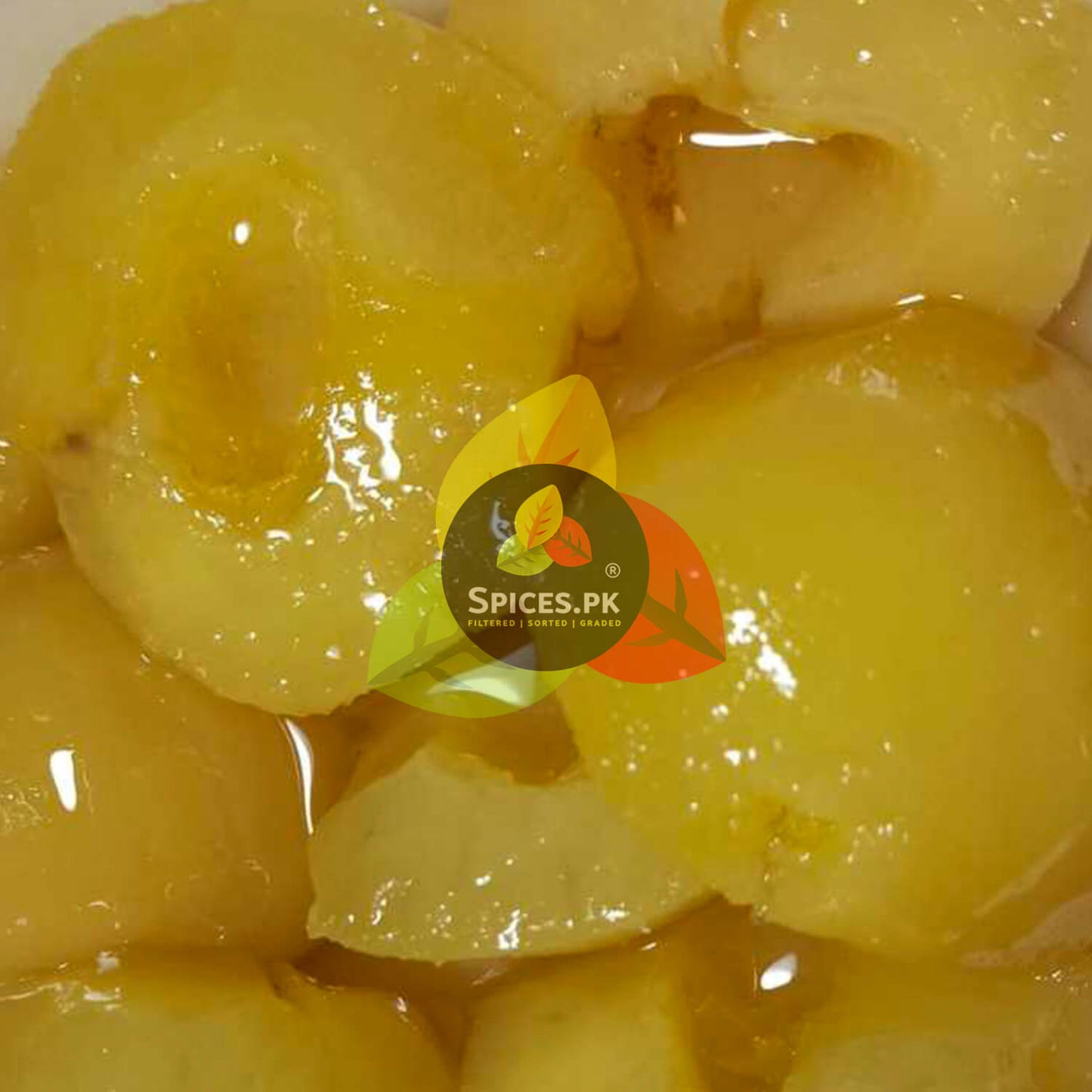
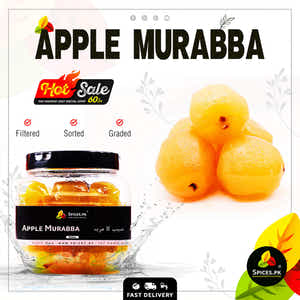
Premium Quince Preserve – Bahi Murabba (بہی کا مربہ) – Traditional Winter Superfood | 100% Natural
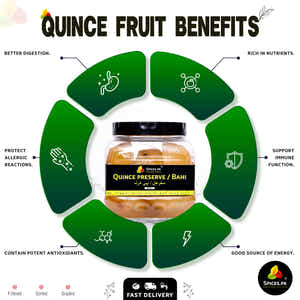
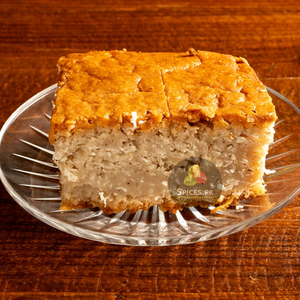
Welcome to Spices.pk, your most trusted source for 100% natural, chemical‑free traditional foods and superfoods. Our premium Quince Preserve – Bahi Murabba (بہی کا مربہ / Safarjal Murabba / Bihi Murabba) is a traditional sweet preserve made from the golden aromatic fruit of the quince tree (Cydonia oblonga), which has been cultivated across the mountains of Central Asia and the subcontinent for over 4,000 years. Quince preserve is naturally rich in vitamin C, dietary fibre (nearly 1.9g per 100g), calcium, iron, copper, zinc, and a high concentration of antioxidants. It is a cherished part of South Asian culinary heritage, valued during the winter months for its unique aromatic flavour and wholesome nutritional composition. Whether you enjoy a spoonful on a paratha, use it as a natural sweetener in your tea, or add it to desserts, our authentic Bahi Murabba brings the timeless culinary traditions of the subcontinent directly to your kitchen. Made from premium quinces grown in Pakistan's highland valleys and prepared through traditional sun‑drying and slow cooking methods, our murabba is halal, gluten‑free, and completely free from artificial colours, preservatives, and additives.

Quince Preserve (بہی مربہ)
Why Choose Spices.pk Quince Preserve (Bahi Murabba)?

What Is Quince Murabba (بہی کا مربہ / Safarjal Murabba)?
Quince Murabba, known in Urdu as Bahi Ka Murabba (بہی کا مربہ) or Safarjal Murabba, is a traditional sweet fruit preserve made from the quince fruit (Cydonia oblonga), a close relative of apples and pears. The quince tree is native to the Hyrcanian forests south of the Caspian Sea, with secondary centres of origin in Central Asia, including Uzbekistan, Tajikistan, Iran, Armenia, Azerbaijan, Georgia, Pakistan, Kashmir, and Afghanistan. From that centre of origin, it was spread radially by Neolithic farmers around 5000 to 3000 BC to secondary centres including Turkey, Syria, and the Mediterranean region. Quince is one of the oldest cultivated fruits known to humanity, with a history spanning over 4,000 years.
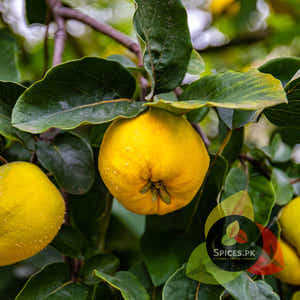
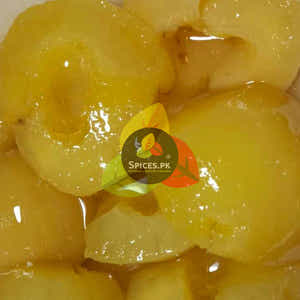
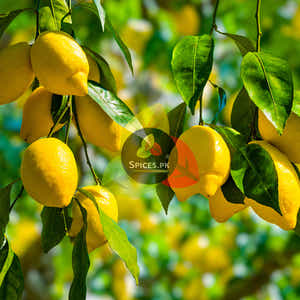
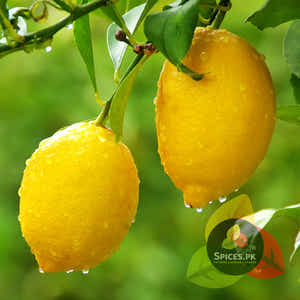
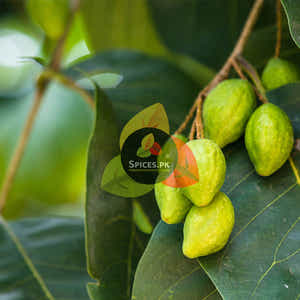
The quince fruit is hard, tart, and astringent when raw, with a characteristic bright golden‑yellow colour when ripe. It is larger than many apples, weighing as much as 1 kilogram (2.2 lb), often pear‑shaped but sometimes roughly spherical. The flesh is aromatic but remains hard, with gritty stone cells dispersed through the flesh, which is why quinces are almost never eaten raw. Instead, they are processed into jams, preserves (murabba), quince cheese, or added to savoury dishes. The making of murabba is a traditional method of preservation that involves cooking the fruit in sugar syrup, often with added spices like cardamom, cloves, or cinnamon, until the fruit becomes translucent and the syrup thickens.
In South Asia, quince has been cultivated for centuries, particularly in the temperate upland areas of Balochistan, Khyber Pakhtunkhwa, and Kashmir. It is known by several names: Bahi (بہی) in Urdu, Safarjal (سفرجل) in Arabic and Persian, and Bihi in some regions. The tradition of making Bahi Murabba is especially strong in Pakistan, where it is prepared during the winter months when quinces are in season. The preserve is valued for its sweet, aromatic taste and its place in traditional winter cuisine.
A 4,000‑Year Legacy: The History of Quince and Bahi Murabba
The history of the quince is deeply intertwined with the history of human civilisation. The fruit was known in ancient Mesopotamia and is believed to be the "golden apple" of Greek mythology that Paris awarded to Aphrodite. The word for quince in ancient Greek was used to signify teenage breasts, indicating its cultural significance. Quince was highly prized in ancient Rome, where it was used in cooking, medicine, and perfumery. The Romans introduced it to Europe, where it became a staple of medieval cuisine.
In the Islamic world, quince holds a special place in cultural tradition. A famous hadith narrated by Hadrat Jabir, one of the Prophet Muhammad's (PBUH) companions, records that the Prophet advised eating quince, and another saying is: "Eat quince, for it sweetens the heart." This Prophetic endorsement elevated the quince to a status of great honour in Muslim societies, and it has been used for centuries as a valued part of traditional cuisine and cultural heritage.
In the Indian subcontinent, quince has been cultivated since ancient times. The tree is native to the region, growing wild in the mountainous areas of northern Pakistan, Kashmir, and Afghanistan. During the Mughal era, quince was a prized fruit in the royal gardens and was used to prepare elaborate preserves and desserts for the emperors. The tradition of making Bahi Murabba became a staple of winter kitchens, a way to preserve the fruit's goodness for the cold months when fresh produce was scarce. Today, quince is still grown in the temperate upland areas of Balochistan, Khyber Pakhtunkhwa, and Gilgit‑Baltistan. The fruit is harvested in late autumn and early winter, and homemade Bahi Murabba is still prepared in many households, a cherished tradition passed down through generations.


































































































































































































































































اکثر پوچھے جانے والے سوالات


