



 Spices.pk
⚡ Accepted Payment Methods


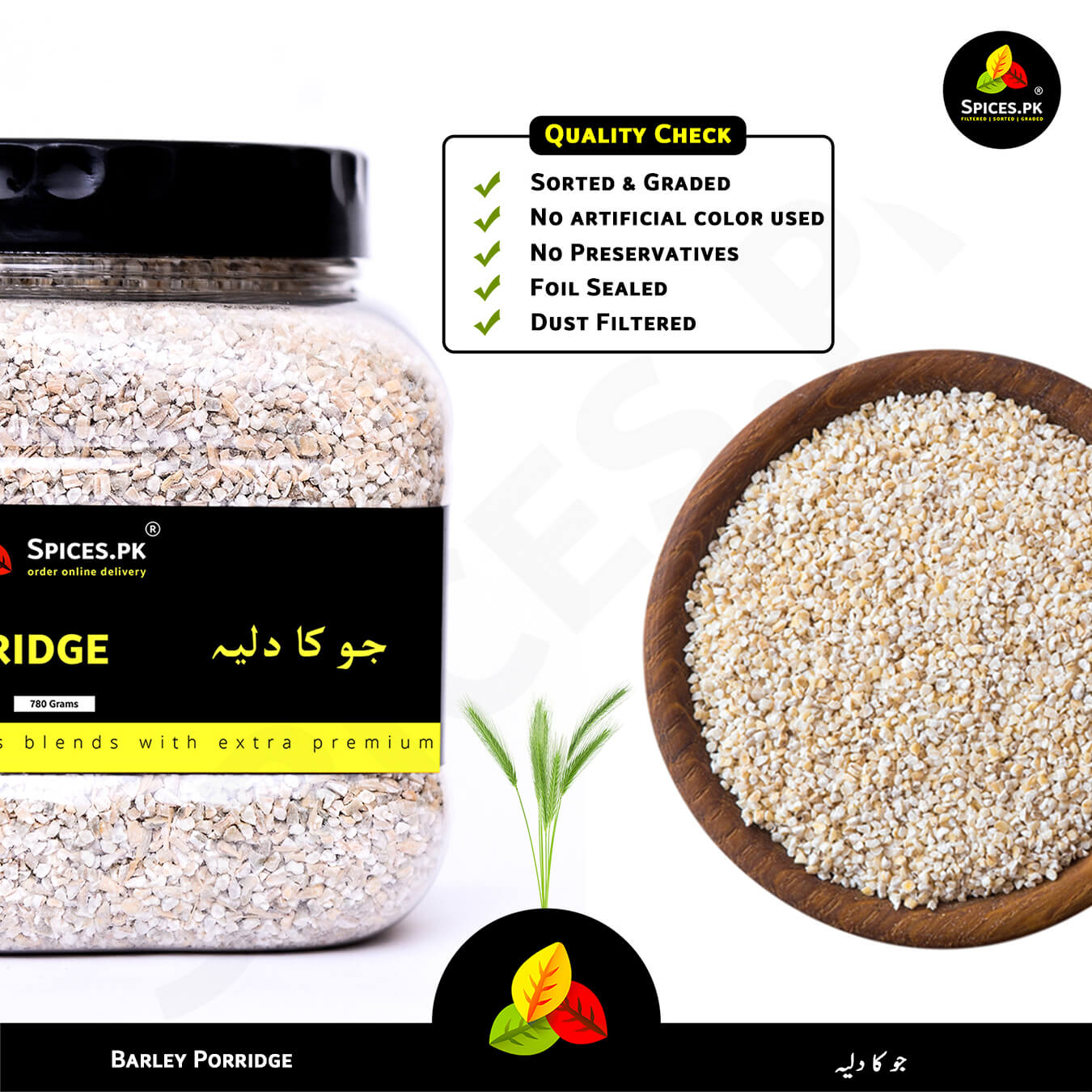
Premium Barley Porridge – Jau Ka Daliya (جو کا دلیہ) – 12g Protein, 16g Fibre per 100g | Rich in Beta-Glucan for Heart Health, Weight Loss & Blood Sugar Control
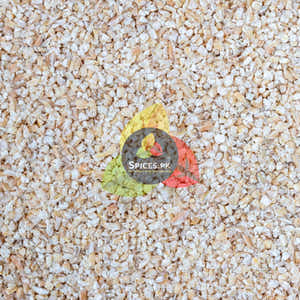
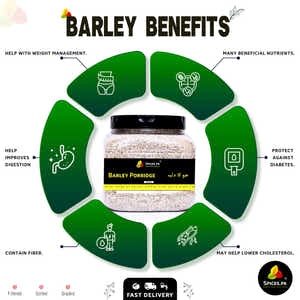
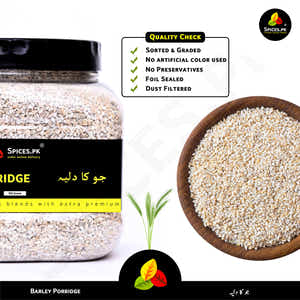
Welcome to Spices.pk, your most trusted source for 100% natural, chemical‑free superfoods. Our premium Barley Porridge – Jau Ka Daliya (جو کا دلیہ / Jau Dalia / Cracked Barley) is made from whole barley grains that are carefully cracked to retain their natural fiber, protein, and rich nutrient profile. One of the oldest cultivated grains on earth, barley has been a dietary cornerstone from the ancient Indus Valley to the modern Pakistani breakfast table. A 100g serving of our daliya provides approximately 345‑360 calories, 12g of high‑quality plant protein, and an impressive 16g of dietary fibre—more than three times the fibre content of regular wheat daliya. It is exceptionally rich in beta‑glucan, a soluble fibre that forms a viscous gel in your digestive tract, actively lowering LDL cholesterol, stabilising blood sugar levels, and keeping you feeling full for hours. This makes Jau Daliya an ideal breakfast for diabetics, those looking to lose weight, and anyone seeking to support their heart health. Whether you enjoy it as a sweet milk porridge, a savoury spiced upma, or a hearty khichdi, our cracked barley porridge is the ultimate nutritional upgrade for your family. Sourced sustainably and packed fresh in Pakistan, it is halal, gluten‑free (contains gluten), and completely free from artificial additives.

Barley Porridge (جو کا دلیہ)
Why Choose Spices.pk Barley Porridge (Jau Ka Daliya)?

What Is Barley Porridge (Jau Ka Daliya / جو کا دلیہ)?
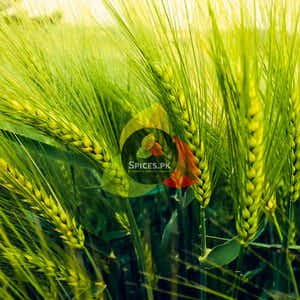
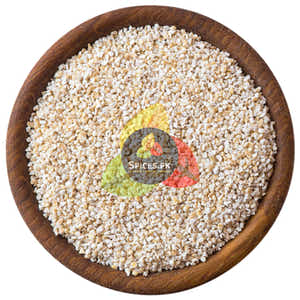
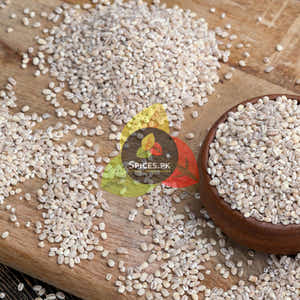
Barley porridge, known in Urdu and Hindi as Jau Ka Daliya (جو کا دلیہ) or simply Jau Dalia, is a traditional breakfast dish made from whole barley grains that have been cleaned and cracked into small pieces. The grain comes from the barley plant, Hordeum vulgare, a member of the grass family Poaceae and one of the first domesticated grains in human history. Barley is a true whole grain, meaning its bran, germ, and endosperm are left intact in our daliya, preserving its complete nutritional profile. The word “daliya” in South Asian cooking refers to any coarsely cracked cereal, and while wheat daliya (broken wheat) is common, barley daliya (Jau Daliya) stands apart for its exceptional nutritional density and health benefits. In Pakistan, barley has been cultivated for millennia, and cracked barley porridge is a beloved winter breakfast, especially in the mountainous northern regions where its warming, energy‑dense properties are highly valued. This grain’s subtle, nutty flavour is wonderfully versatile—it can be cooked with milk and sweetened into a comforting meetha daliya or simmered with vegetables and spices into a savoury daliya that can stand on its own as a complete meal.
The standout feature of Jau Daliya is its remarkable nutritional composition. As a whole grain, it is naturally cholesterol‑free and low in fat, yet it is packed with vitamins, minerals, and powerful plant compounds. Each 100g serving contains 12g of plant protein (comparable to a serving of lentils) and an impressive 16g of total dietary fibre, which is more than three times the fibre content of regular wheat daliya (which typically has only 2–3g per 100g). The fibre in barley is a mix of soluble and insoluble types. The soluble fibre, known as beta‑glucan, is responsible for barley’s signature thick, slightly viscous texture when cooked. This beta‑glucan is also the primary driver of barley’s most significant health benefits, including its ability to lower cholesterol, stabilise blood sugar, and promote a feeling of fullness. Barley is also rich in essential minerals: a 100g serving provides 80–100mg of magnesium (essential for nerve and muscle function), 3–4mg of iron (to help prevent anaemia), as well as significant amounts of zinc, selenium, and phosphorus. It is a good source of the B‑vitamins thiamine (B1) and niacin (B3), which play a key role in energy metabolism.
A 10,000‑Year Legacy: The Ancient History of Barley in South Asia
The story of barley is older than civilisation itself. The wild ancestor of domesticated barley, Hordeum spontaneum, is native to the Fertile Crescent of the Middle East, the region known as the cradle of agriculture. Barley is considered one of the earliest and most important crops in human history, with archaeological evidence indicating its domestication began there around 10,500 years ago. From its Middle Eastern birthplace, the cultivation of barley spread rapidly in multiple directions—west into Europe, east into Central Asia, and south into the Indian subcontinent. By the time of the Mehrgarh civilisation (Balochistan, Pakistan), dated to 9,500 to 7,500 BP, barley was the dominant crop and was cultivated alongside wheat and other cereals. This region is now considered one of the world’s earliest agricultural centres, and the barley found there is well‑developed, domesticated six‑row barley—the same type still widely grown today. Barley was not an exotic import; it quickly became a staple of the South Asian diet, appearing in everyday cooking, in religious rituals as a sacred grain, and in the early formulations of Ayurvedic medicine.
During the Harappan (Indus Valley) period, which flourished from 5,600 to 4,000 BP, barley was one of the primary crops sustaining the cities of Mohenjo‑Daro and Harappa. Its hardy nature made it a reliable source of nutrition. In fact, the great staple cereal of our Rig Vedic ancestors was barley, not wheat. The Rigveda (c. 1500‑1200 BCE) mentions barley (yava) as a sacred and nourishing grain. The grain’s importance in South Asia was further solidified during the Mughal era (1526‑1857). Royal chefs were known to use barley in slow‑cooked stews and as a nourishing breakfast for the emperors. In modern Pakistan, barley consumption has seen a significant resurgence. After decades of being displaced by refined wheat and rice, the health benefits of whole grains are being rediscovered. Pakistan produces approximately 39,000‑42,000 tonnes of barley annually, primarily in Punjab (33% of production), Balochistan (21%), Khyber Pakhtunkhwa (19%), and the tribal areas. While domestic production is modest, the demand for processed barley products, particularly cracked daliya, is growing rapidly as part of a nationwide shift toward healthier eating habits. The global barley market was valued at over USD 15 billion in 2024 and is projected to grow, driven by demand for healthy, functional foods. Major global producers include Russia, Kazakhstan, Canada, Australia, France, and Germany, and Pakistan imports barley to supplement its domestic harvest.

















































































































































اکثر پوچھے جانے والے سوالات


