



 Spices.pk
⚡ Accepted Payment Methods


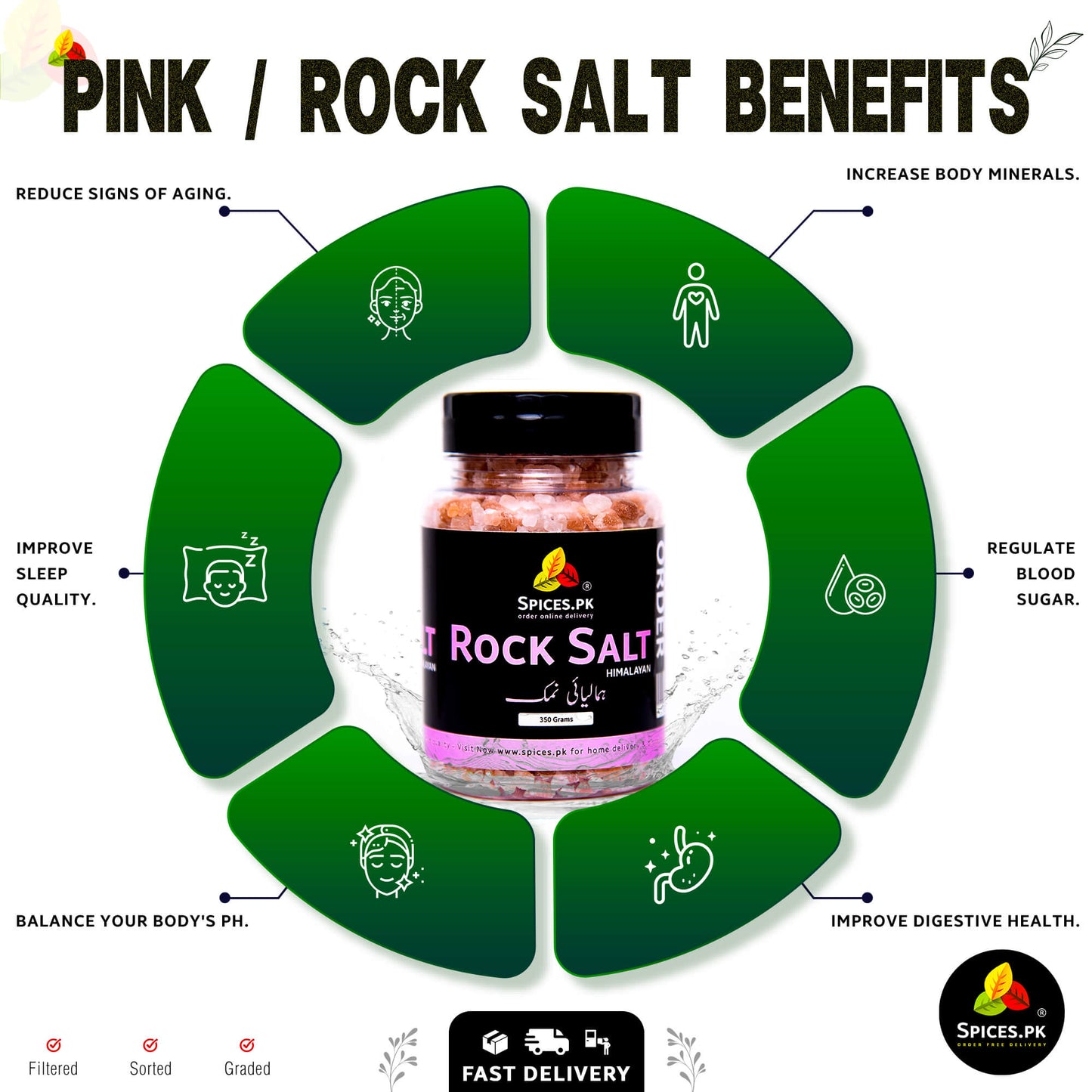
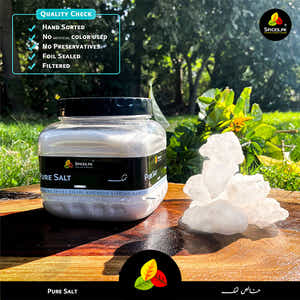
Pure Himalayan Pink Rock Salt (Sendha Namak / سینڈھا نمک) – Unrefined Mineral Salt with 84+ Trace Elements from Khewra, Pakistan
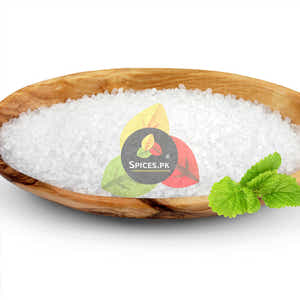
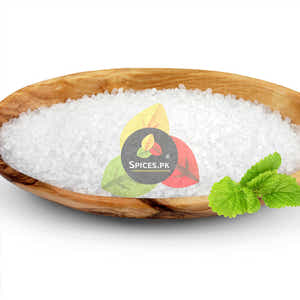
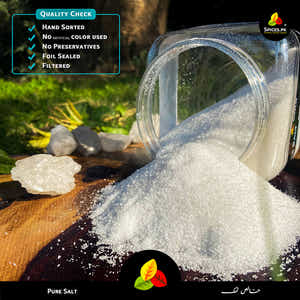
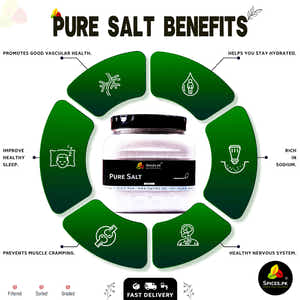
Welcome to Spices.pk, your most trusted source for 100% natural, chemical‑free spices and superfoods. Our premium Himalayan Pink Rock Salt – Sendha Namak (سینڈھا نمک / Gulabi Namak) is hand‑mined from the ancient Khewra Salt Mine in Punjab, Pakistan – the world’s second‑largest salt mine, formed over 250 million years ago from a primordial sea. Unlike ordinary table salt that is heavily processed, stripped of minerals, and loaded with anti‑caking agents, our Himalayan salt is minimally processed, retaining over 84 naturally occurring trace minerals including iron (which gives it the characteristic pink hue), calcium, magnesium, potassium, zinc, and manganese. With a mild, delicate flavour and a host of Ayurvedic benefits, Sendha Namak has been revered for millennia as the purest salt for daily cooking, fasting (vrat), and holistic wellness – from balancing electrolytes and supporting hydration to gentle digestion and detox bath soaks.

Himalayan Pink Rock Salt
Why Choose Spices.pk Himalayan Pink Rock Salt (Sendha Namak)?

What is Himalayan Pink Rock Salt (Sendha Namak / سینڈھا نمک)?
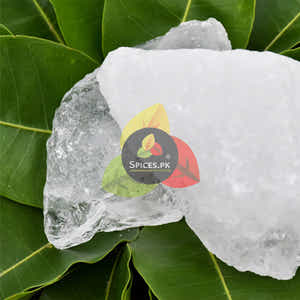
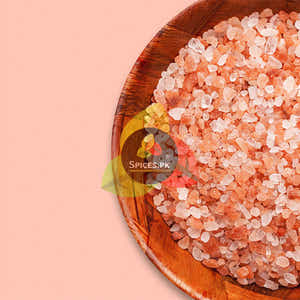
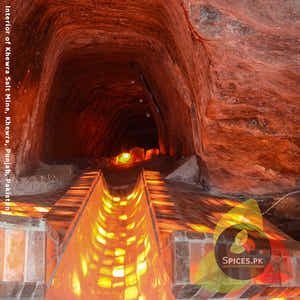
Himalayan pink rock salt, also known as Sendha Namak (سینڈھا نمک) in Urdu and Saindhava Lavana in Sanskrit, is a pure, unrefined halite (rock salt) crystal mined from the Khewra Salt Mine in the Punjab region of Pakistan – the world’s second‑largest salt mine, located at the foothills of the Salt Range. This salt is the remnant of an ancient primal sea that dried up over 250 million years ago during the Mesozoic era (specifically the Permian period), leaving behind pristine salt deposits later covered by lava, snow, and ice as the Himalayan mountain range formed.
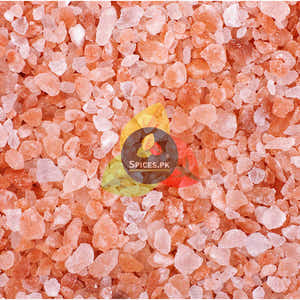
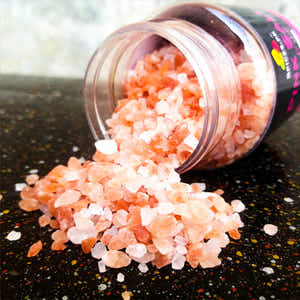
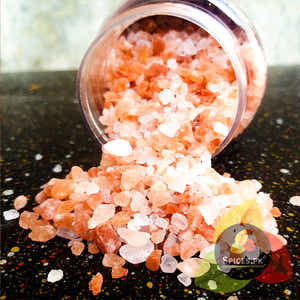
Unlike common table salt – which is heavily processed, bleached, heated to high temperatures, stripped of all natural minerals except sodium chloride, and mixed with anti‑caking agents (sodium aluminosilicate or yellow prussiate of soda) – Himalayan pink salt is minimally processed (hand‑crushed and sun‑dried), preserving up to 84 naturally occurring trace minerals and elements. These include: iron oxide (responsible for the pink to reddish hue), calcium (supporting bones), magnesium (muscle relaxation), potassium (blood pressure regulation), zinc (immunity), manganese (antioxidant), and selenium (thyroid health). The salt contains about 98% sodium chloride and 2% trace minerals, giving it a milder, less sharp, and more complex flavour compared to refined salt.
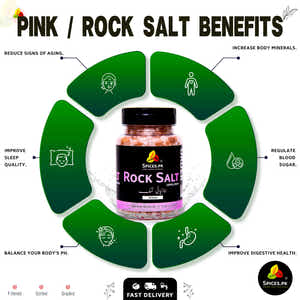
In Ayurveda, Sendha Namak is considered the purest and most beneficial salt for daily consumption. It is described as snigdha (moisturising), madhura (sweet aftertaste), and sheetala (cooling in potency), balancing all three doshas (Vata, Pitta, Kapha). It is the only salt recommended during fasting (vrat, Navratri, Ekadashi) because it is believed to be gentle on the digestive system, does not cause water retention, and aids natural detoxification. Whether you use it in your daily curries, sprinkle it as a finishing salt, blend it into a body scrub, or dissolve it in a detox bath, Himalayan pink salt is a true culinary and wellness treasure – and it comes straight from Pakistan’s own Khewra mine.
A 250‑Million‑Year Legacy: The Ancient Origins of Himalayan Pink Salt
The story of Himalayan pink salt begins over 250 million years ago when a pristine ocean, protected from pollution, was trapped under layers of lava, snow, and ice as the Himalayan mountain range formed due to the collision of the Indian and Eurasian tectonic plates. For eons, this salt remained untouched by modern environmental contaminants, sealed beneath the mountains. The Khewra Salt Mine – where our salt is sourced – was discovered by Alexander the Great’s troops around 320 BCE. Legend has it that Alexander’s horses began licking the rocks, leading the soldiers to the salt deposits. The mine was later developed during the Mughal era and remains the world’s second‑largest salt mine (after Wieliczka in Poland), producing hundreds of thousands of tonnes annually.
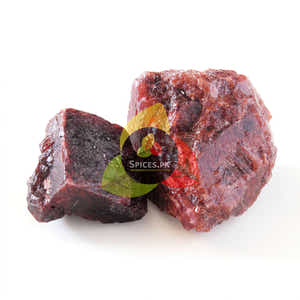
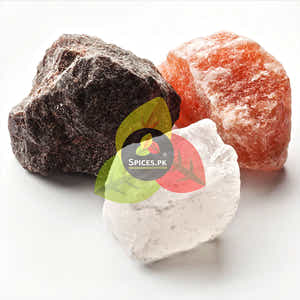
In Ayurveda and Unani medicine, Sendha Namak has been documented in classical texts (Charaka Samhita, Sushruta Samhita, Ashtanga Hridaya) as a rasayana (rejuvenative), a digestive aid, and a natural expectorant for respiratory conditions. It is traditionally used to prepare herbal formulations, gargles for sore throats, and nasal rinses. During the Indian freedom movement, Mahatma Gandhi encouraged the use of Sendha Namak as a symbol of self‑reliance. Today, Pakistan is the largest exporter of Himalayan pink salt, with the Khewra mine attracting over 250,000 tourists annually. The salt’s colour ranges from off‑white to deep rose, depending on the concentration of iron oxide and other trace minerals – each crystal is unique, just like a fingerprint.























































































































































































اکثر پوچھے جانے والے سوالات


