



 Spices.pk
⚡ Accepted Payment Methods


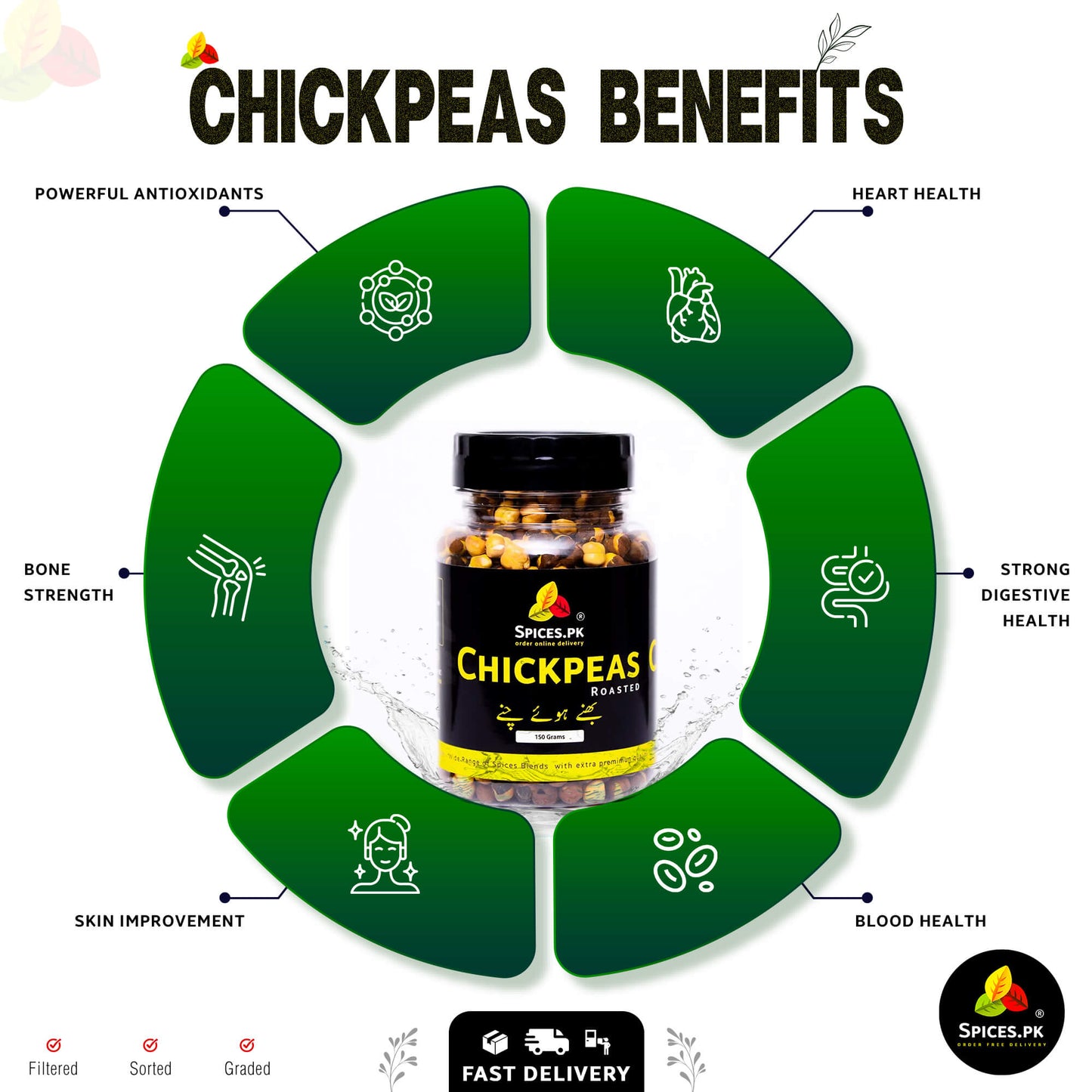
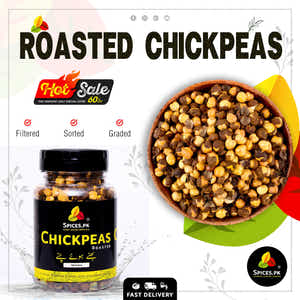
Premium Roasted Chickpeas – Bhunay Chanay (کالے بھنے چنے) – High-Protein, Low-GI Superfood Snack for Weight Loss, Digestion & Heart Health
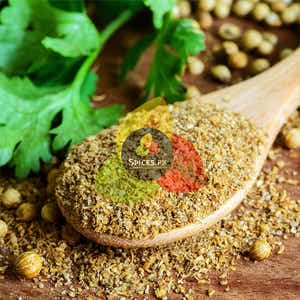
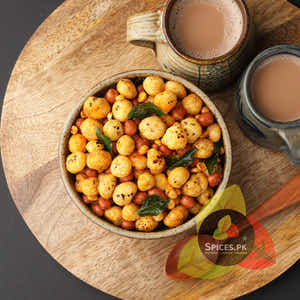
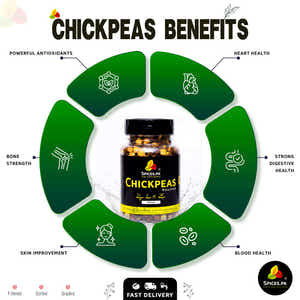
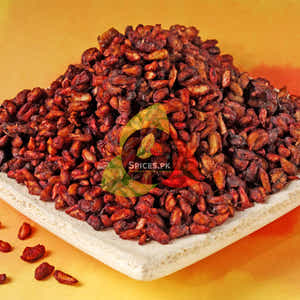
Welcome to Spices.pk, your most trusted source for 100% natural, chemical‑free spices and superfoods. Our premium Roasted Chickpeas – Bhunay Chanay (کالے بھنے چنے / Roasted Chana / Black Roasted Chickpeas) are a crunchy, nutritious snack made from high‑quality black chickpeas, roasted to perfection. Unlike deep‑fried snacks or sugary treats, bhunay chanay deliver a satisfying crunch without any added oil or artificial preservatives. Packed with 20–22 grams of plant protein and 12 grams of dietary fibre per 100g, they provide sustained energy, keep you full for hours, and support healthy digestion. With a low glycemic index (GI 28–32), roasted chickpeas are the perfect snack for diabetics and anyone looking to manage their blood sugar levels. Rich in iron, calcium, magnesium, zinc, and B‑vitamins, this ancient legume helps prevent anaemia, strengthens bones, boosts immunity, and promotes healthy skin and hair. Whether you enjoy them plain, lightly salted, or tossed into a chana chaat, our bhunay chanay are the ultimate guilt‑free, halal, and gluten‑free snack. Bring the wholesome goodness of roasted chickpeas to your Pakistani kitchen today.

Chickpeas (کالے بھنے چنے)
Why Choose Spices.pk Roasted Chickpeas (Bhunay Chanay)?

What Are Roasted Chickpeas (Bhunay Chanay / کالے بھنے چنے)?
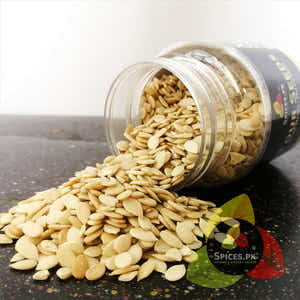
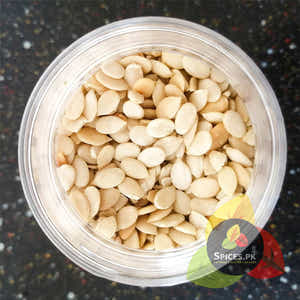
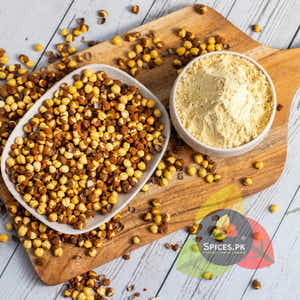
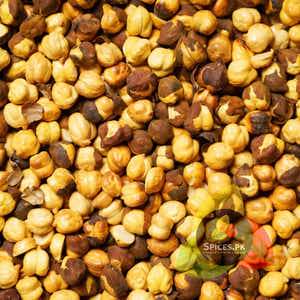
Roasted chickpeas, known in Urdu as Bhunay Chanay (بھنے چنے) or Kala Bhuna Chana (کالا بھنا چنا), are dried chickpeas that have been dry‑roasted without any oil or with a minimal amount of ghee or oil to enhance their natural crunch and nutty flavour. Unlike boiled chickpeas, which are soft and used in curries, roasted chickpeas are a firm, crunchy snack that can be eaten straight from the jar. In Pakistan, black chickpeas (kala chana) are the preferred variety for roasting, as they have a denser texture and a more robust flavour than the larger, cream‑coloured Kabuli chana. The word “bhuna” refers to the process of dry‑roasting in a pan or oven, a technique that has been used in South Asian kitchens for centuries to preserve legumes and intensify their taste.
Nutritionally, a 100‑gram serving of roasted chickpeas provides approximately 350‑380 calories, 20‑22 grams of high‑quality plant protein, 12 grams of dietary fibre, and negligible amounts of saturated fat. They are particularly rich in iron (6‑7mg), which helps combat fatigue and anaemia; calcium (100‑150mg) and magnesium (120‑160mg) for strong bones; and zinc (2‑4mg) and B‑vitamins for a robust immune system. One of the most important nutritional features of black chickpeas is their low glycemic index (GI 28–32). This means that the carbohydrates in roasted chickpeas break down slowly, releasing energy gradually into the bloodstream and preventing the sharp spikes in blood sugar that are associated with white bread, sugary drinks, and many processed snacks.
In Pakistan, bhunay chanay are more than just a snack – they are a cultural institution. The humble “chana choor garam” is sold by street vendors in every city, from the bustling markets of Karachi to the bazaars of Lahore, Peshawar, and Quetta. A small paper cone of spicy roasted chickpeas, often mixed with fresh onions, chillies, and chaat masala, is a cherished childhood memory for millions of Pakistanis. Chana chaat, a popular street food, combines roasted chickpeas with boiled potatoes, tamarind chutney, yoghurt, and a medley of spices to create a symphony of flavours and textures. Families also make roasted chickpeas at home, using them as a filling for parathas, a topping for rice dishes, or a crunchy element in salads. Despite being one of the most affordable and accessible snacks, bhunay chanay are increasingly being recognised as a “superfood” – a nutrient‑dense whole food that can help people lose weight, control diabetes, and improve their overall health.
A 10,000‑Year Legacy: The History of Chickpeas in South Asia
The history of the chickpea is the history of civilisation itself. Chickpeas (Cicer arietinum) are one of the earliest cultivated legumes, with archaeological evidence dating back over 10,000 years. The wild ancestor of the domesticated chickpea, Cicer reticulatum, grows only in a small region of southeastern Turkey, where it is believed that the first chickpeas were harvested and cultivated. From this origin point, the cultivation of chickpeas spread in two directions. The “Kabuli” variety – the large, cream‑coloured chickpeas – was developed in the Mediterranean and Central Asia. In contrast, the “Desi” variety – the smaller, darker, and more wrinkled chickpea – became the preferred type in Ethiopia, Iran, and the Indian subcontinent.
The subcontinent has had a relationship with chickpeas for over 8,000 years. The earliest evidence of chickpea cultivation in the Indus Valley has been found at the Mehrgarh archaeological site in Balochistan, dating to around 6,000 BCE. The legume’s wide adaptability allowed it to spread across every corner of the subcontinent, and it soon became a foundational ingredient in the cuisines of both India and Pakistan. The name “chana” comes from Sanskrit, where the legume was known as “chanaka.” By the time of the Mughal Empire (16th‑19th centuries), chickpeas had become an essential part of the royal dastarkhwan. The Mughals are credited with refining many of the dishes that we now consider classics, including “chana masala” and “chole bhature.” After the partition of India in 1947, chickpeas remained a common culinary thread linking the two nations. The bright, orange‑red chickpea curry of Amritsar, “Amritsari Chole,” is as beloved in Lahore as it is across the border. The “chana dal” of the Punjab and the “multani chana” of Multan are regional specialities that celebrate the versatility of this humble legume.
Today, India is the world's largest producer and consumer of chickpeas, accounting for 70% of global production. However, Pakistan is the second‑largest consumer of chickpeas in the world, with consumption reaching 689,000 tons per year. Despite its high consumption, Pakistan does not produce enough chickpeas to meet its own demand. The country relies heavily on imports from Australia, Russia, and Tanzania. Australia is the world's largest exporter of chickpeas, with a production of 1.8 million tons, and a significant portion of this ends up in Pakistani markets. In 2024, the average import price for chickpeas in Pakistan was $727 per ton, with a 12% increase from the previous year. The global market for roasted chickpea snacks is also experiencing rapid growth, valued at $2.37 billion in 2024 and projected to reach $6.5 billion by 2035. As more people look for healthy, plant‑based alternatives to processed snacks, the humble bhuna chana is finally being recognised as the superfood it has always been.











































































































































اکثر پوچھے جانے والے سوالات


