



 Spices.pk
⚡ Accepted Payment Methods


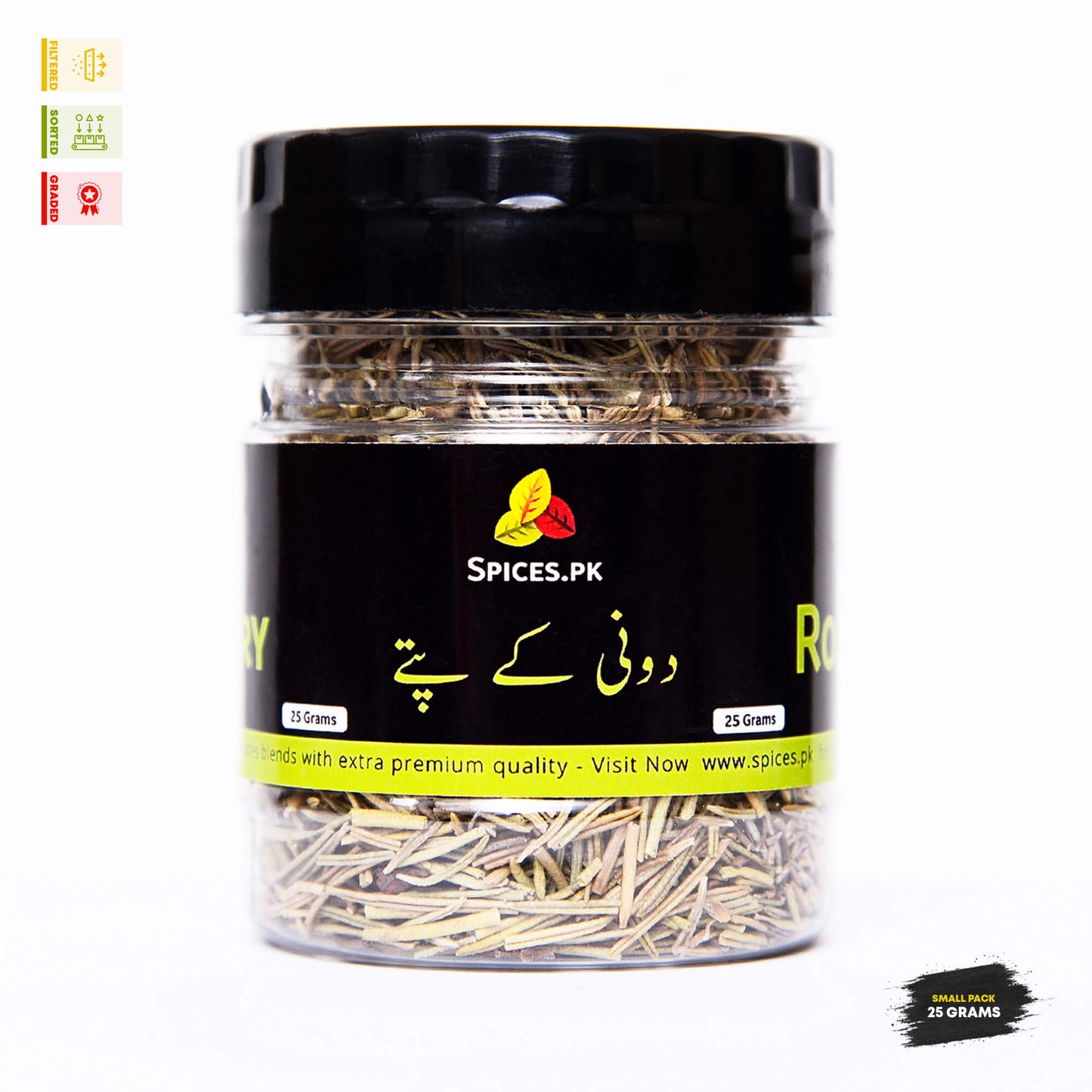
Premium Organic Rosemary Leaves – Akleel Kohistani (دونی کے پتے) – Fragrant Herb for Traditional Cuisine & Aromatic Herbal Tea
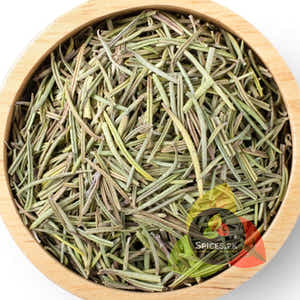
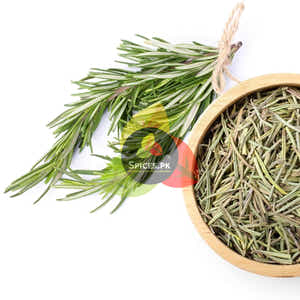
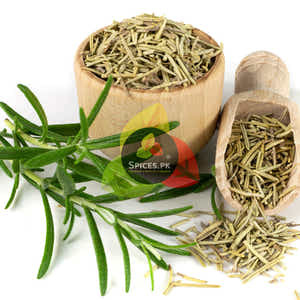
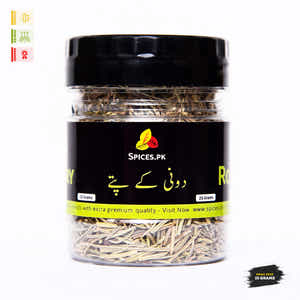
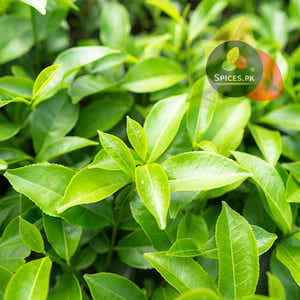
Welcome to Spices.pk, your trusted source for 100% organic, chemical‑free herbs and spices. Our premium Rosemary Leaves – Akleel Kohistani (اکلیل کوہستانی / روزمیری) are whole dried leaves sourced from the pristine valleys of northern Pakistan, including the famous Hunza region. This fragrant, needle‑like herb belongs to the mint family (Lamiaceae). Naturally rich in essential oils and rosmarinic acid, it is prized for its distinctive pine‑lemon aroma. Whether you brew it into a fragrant herbal tea, infuse it into oil for a traditional hair rinse, or sprinkle it over roasted vegetables and grilled meats, our organic rosemary leaves bring the timeless culinary traditions of the Mediterranean and the Himalayas straight to your Pakistani kitchen.

Rosemary (دونی کے پتے)
Why Choose Spices.pk Rosemary Leaves?

What Is Rosemary (Akleel Kohistani)?
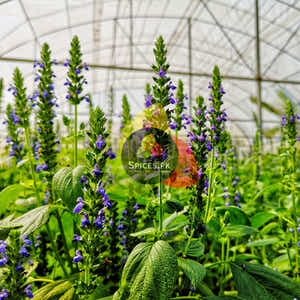
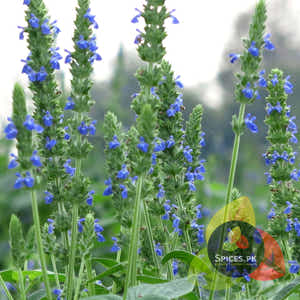
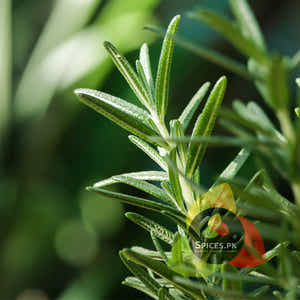
Rosemary, known in Urdu as Akleel Kohistani (اکلیل کوہستانی) or simply روزمیری, is a fragrant, evergreen herb with needle‑like leaves from the mint family (Lamiaceae). The name “Akleel Kohistani” translates to “mountain crown,” reflecting its natural habitat in cool, high‑altitude regions like the Hunza Valley. Its scientific name is Salvia rosmarinus. The leaves are the most used part, offering a complex blend of pine, lemon, and wood notes due to rich essential oils like 1,8‑cineole, camphor, and α‑pinene. Dried rosemary is a natural source of dietary fibre, iron, and calcium. In South Asian culinary traditions, it is valued as a fragrant spice, and in Unani medicine, it was historically used as a warming, aromatic tonic. Today, it is a beloved herb in Pakistani kitchens for roasting, teas, and aromatic wellness rituals.
A 5,000‑Year Culinary & Cultural Heritage
Rosemary has a history stretching back over 5,000 years. The ancient Egyptians valued it for culinary and aromatic purposes, with wreaths found in tombs dating to 3,000 BCE. In ancient Greece and Rome, it was a symbol of remembrance and loyalty – Greek scholars wore rosemary garlands while studying, giving rise to the phrase “rosemary for remembrance.” The herb spread along the Silk Road, reaching China by the 2nd century AD and later the Indian subcontinent during the Mughal era, where it was adopted into regional culinary and cultural traditions under the Persian name “Akleel Kohistani.” In Pakistan, it has been grown for generations in the cooler northern valleys, particularly Hunza and Baltistan, where the clean mountain air produces exceptionally aromatic leaves. From the Mediterranean to the Himalayas, rosemary remains a treasured herb worldwide.





































































































































































































































































































اکثر پوچھے جانے والے سوالات


