



 Spices.pk
⚡ Accepted Payment Methods


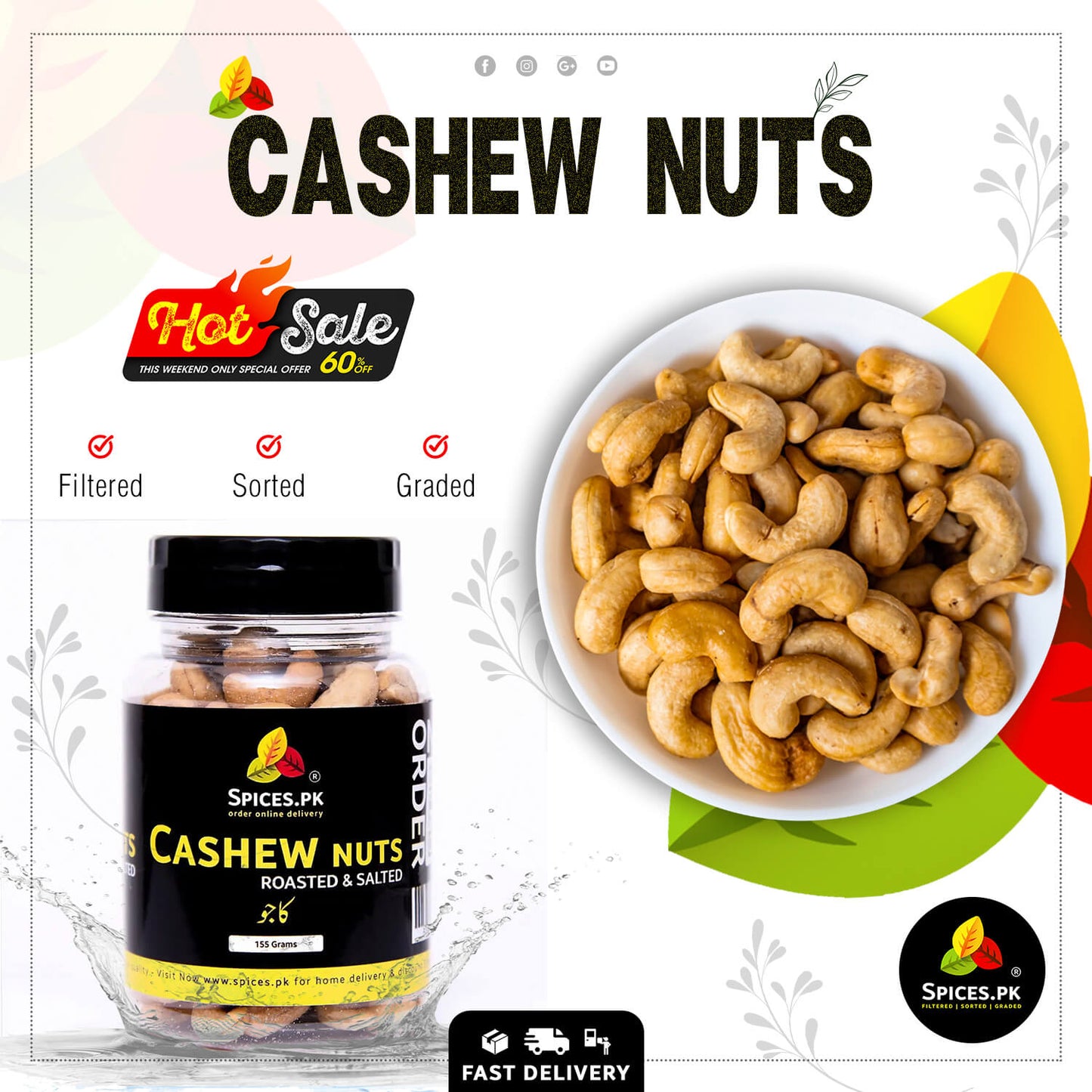
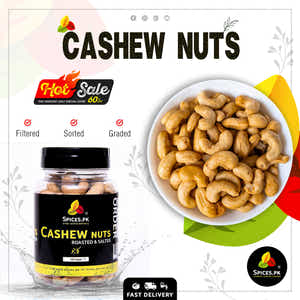
Premium Cashew Nuts – Kaju (کاجو) – 100% Natural Whole Kernels for Heart Health, Weight Management & Glowing Skin
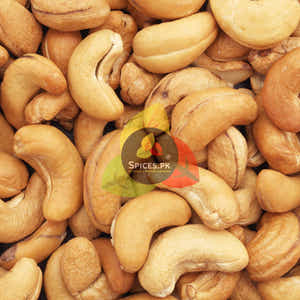
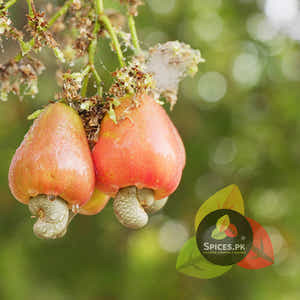
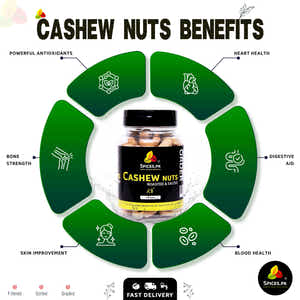
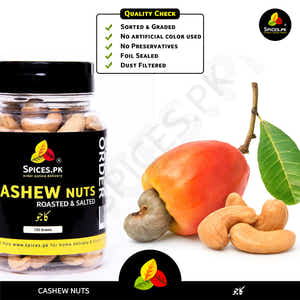
Welcome to Spices.pk, your most trusted source for 100% pure, chemical‑free dry fruits and superfoods. Our premium Cashew Nuts (Kaju – کاجو) are whole, unbroken kernels of the highest grade, sourced from the world's finest cashew‑growing regions and packed fresh in Pakistan. Unlike many dry fruits, cashews are not actually nuts – they grow attached to the bottom of the cashew apple, a fruit native to Brazil that now thrives in tropical climates across Africa and Asia. Rich in healthy fats, plant protein, and a powerful blend of antioxidants, each handful of our cashews is a nutritional powerhouse. The high copper and magnesium content supports strong bones, reduces inflammation, and improves brain function. Regular consumption of cashews helps lower bad cholesterol, supports healthy blood pressure, and provides sustained energy throughout the day. The antioxidants, including tocopherols and polyphenols, protect your cells from free radical damage, while the healthy fats and fibre keep you feeling full, making them an ideal snack for weight management. From classic salted snacks to creamy curries, our premium cashews are the perfect addition to your pantry, offering both gourmet flavour and profound health benefits.

Cashews (Kaju)
Why Choose Spices.pk Cashew Nuts (Kaju)?

What Are Cashew Nuts (Kaju / کاجو)?
Cashew nuts, known in Urdu as Kaju (کاجو), are the kidney‑shaped seeds that grow attached to the bottom of the cashew apple (Anacardium occidentale). Unlike true nuts which grow inside a hard shell, cashews are the seed of a drupe, surrounded by a thick, leathery shell that contains a toxic, caustic oil called urushiol – the same compound found in poison ivy. This oil is highly irritating to human skin and must be carefully removed through a heat treatment process before the kernel is safe to eat. This dangerous step, which involves roasting, steaming, or boiling the nuts, is one of the reasons cashews are almost never sold in the shell and why they are among the more expensive nuts on the market. The cashew tree is native to northeastern Brazil, where it grows wild and was first cultivated by indigenous peoples. During the 16th century, Portuguese traders introduced the tree to their colonies in India and Mozambique, and later to other parts of Africa and Asia. Today, the tree thrives in tropical climates around the globe, with the Ivory Coast, India, Vietnam, and Nigeria being the largest producers of raw cashew nuts. In Pakistani culture, cashews are called “Kaju” and are a beloved ingredient in both sweet and savoury dishes. They are a staple of the “dry fruit basket” offered to guests during weddings, Eids, and other festive occasions. Whether they are roasted and salted for an afternoon snack, ground into a creamy paste for curries (like Kaju Curry), or crushed to garnish the famous Kaju Katli sweet, cashews are an indispensable part of the Pakistani pantry.
Nutritionally, cashews are a dense source of energy and essential nutrients. A one‑ounce serving (about 28 grams or a small handful) provides 157 calories, 5g of plant protein, 12g of heart‑healthy fats, and 9g of carbohydrates. They are particularly rich in copper (providing 67% of the recommended daily intake), magnesium (20% DV), and zinc (15% DV). Cashews also contain significant amounts of iron, phosphorus, selenium, vitamin K, and B‑vitamins. Unlike many other nuts, cashews have a relatively high carbohydrate content, but their low glycemic index and high fibre content mean they do not cause sharp spikes in blood sugar levels.
A 500‑Year Journey: The History of Cashew Nuts
The history of the cashew nut is a story of globalisation, beginning in the rainforests of Brazil. The Tupi people, who inhabited the coastal regions of what is now northern Brazil, were the first to use the cashew tree. They understood the medicinal properties of the leaves, fruit, and bark and had mastered the art of roasting the nut to neutralise the toxic oil in its shell. The word “cashew” itself is believed to come from the Portuguese word “caju,” which was derived from the Tupi name “acajú.” In the 16th century, Portuguese colonisers recognised the potential of this strange, dual‑fruit tree, and they transported it across the Atlantic to their African colonies, particularly Mozambique. From Africa, the tree was further transported to the Indian subcontinent, eventually finding its ideal home in the coastal regions of Goa, Kerala, and Tamil Nadu. The tropical climate of India proved to be perfect for the cashew, and it flourished. By the 20th century, India had become the world's largest producer of raw cashew nuts and a global hub for processing the difficult kernel. The industry grew so large that it employed over two lakh (200,000) workers in the organised sector. For decades, the global cashew trade was dominated by Indian processing centres, but the balance of power has shifted dramatically in recent years. In the 21st century, West Africa emerged as the new centre of raw cashew production. The Ivory Coast (Côte d’Ivoire), which had first planted cashew trees in the late 20th century to combat soil erosion, overtook India and Vietnam to become the world's largest producer, harvesting an estimated 1.5 million tons of raw nuts in 2025. Today, Vietnam is the world's leading exporter of processed cashew kernels, while India remains a major processor and consumer of the nut. Pakistan is a net importer of cashews, relying largely on shipments from India, Vietnam, and African nations to meet the demand of its large, cashew‑loving population. The price of cashews in Pakistan can vary significantly. In 2025, market rates in major cities have fluctuated between Rs3,500 and Rs4,000 per kilogram for standard grades, with special varieties commanding even higher prices. Despite the high cost, the demand for this “royal nut” remains strong, a testament to its enduring popularity.

























































































































































































































اکثر پوچھے جانے والے سوالات


