



 Spices.pk
Free Shipping
On orders above PKR 3,000
Secure Payment
SSL-encrypted checkout
Customer Support
via WhatsApp & chat
⚡ Accepted Payment Methods
🔒 Secure checkout powered by Shopify


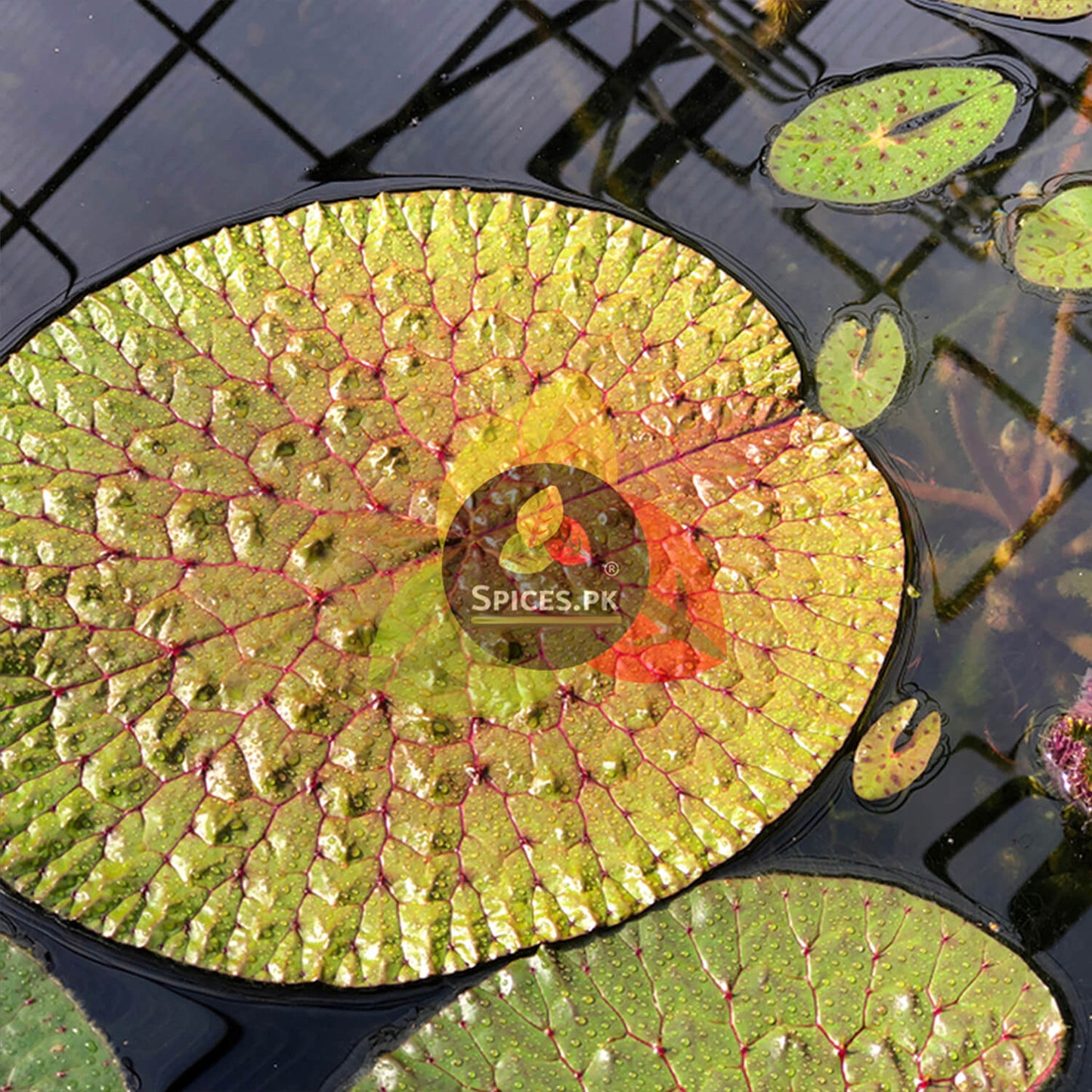
Premium Fox Nuts – Phool Makhana (پھول مکھانہ) – Traditional Popped Snack, Naturally High in Protein & Fibre
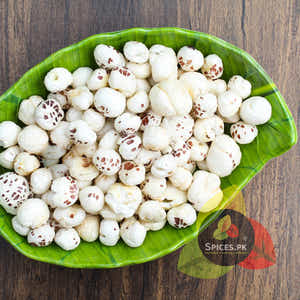
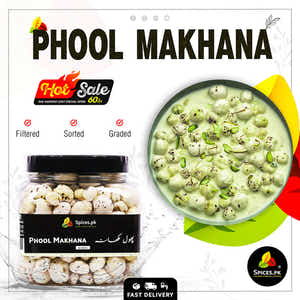
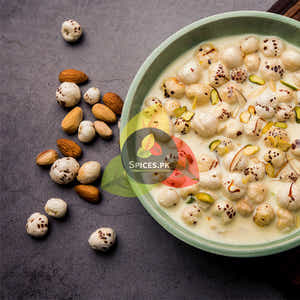
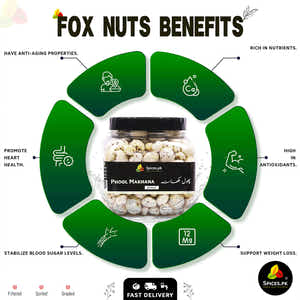
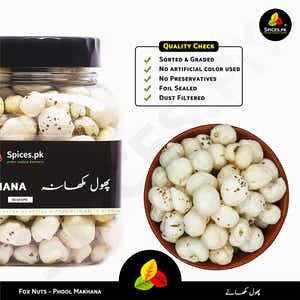
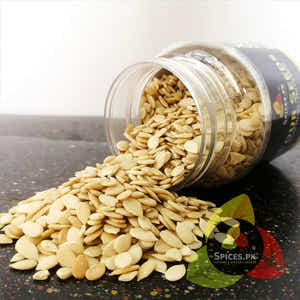
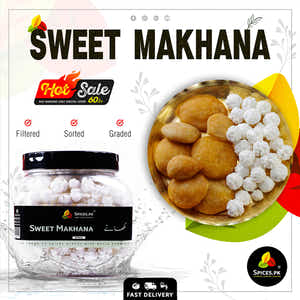
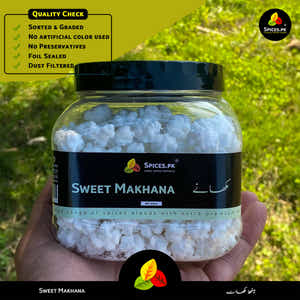
Welcome to Spices.pk, your most trusted source for 100% organic, chemical‑free spices and superfoods. Our premium Phool Makhana (پھول مکھانہ / Fox Nuts) are the popped seeds of the Euryale ferox plant, also known as the prickly water lily. Native to the shallow ponds of Asia, these light, crunchy puffs are often mistaken for lotus seeds (Nelumbo nucifera), but they are botanically distinct—and nutritionally impressive. With very low fat, no cholesterol, and 9.7g of protein and 14.5g of dietary fibre per 100g, Phool Makhana is a wholesome, guilt‑free snack. Rich in naturally occurring calcium, magnesium, potassium, and iron, it is a delicious addition to your daily meals. Whether you're looking for a crunchy tea‑time treat, a nutritious addition to curries, or a light evening snack, Phool Makhana is the superfood your pantry needs—available fresh and pure at Spices.pk.

Fox Nuts (پھول مکھانہ)
Why Choose Spices.pk Phool Makhana (پھول مkھانہ)?

What Are Fox Nuts (Phool Makhana / پھول مکھانہ)?
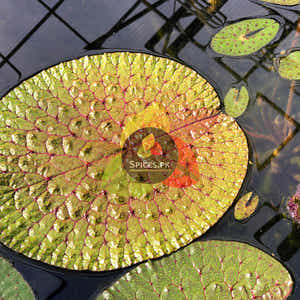
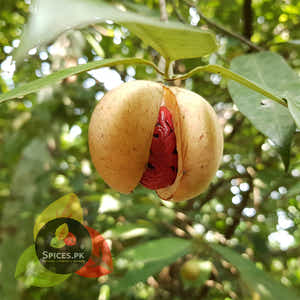
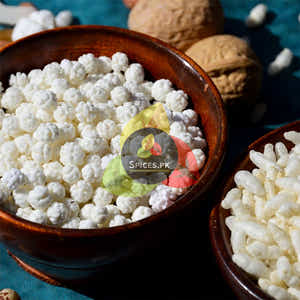
Phool Makhana, also called fox nuts or popped water lily seeds, are the edible seeds of the Euryale ferox plant—a prickly aquatic water lily native to the wetlands of South and East Asia. The plant produces large, spiny fruits the size of oranges. Each fruit contains between 20 and 40 dark seeds. When harvested, these seeds are sun‑dried, then roasted or heated. The heat causes them to pop, just like popcorn, expanding into a light, crunchy, white puff. That popped seed is the Phool Makhana you see on store shelves. The name "Phool Makhana" literally translates to "puffed makhana" in Hindi.
Though commonly mislabeled as "lotus seeds", Phool Makhana is botanically distinct. True lotus seeds come from the Nelumbo nucifera plant. Makhana belongs to the water lily family (Nymphaeaceae), the same as lotuses, but it is a different genus entirely. India produces over 90% of the world's makhana supply, with the state of Bihar being the primary centre of cultivation, especially in the Mithila region. In 2022, "Mithila Makhana" received a Geographical Indication (GI) tag from the Indian government, confirming the link between the region's unique wetland ecosystem and the quality of the makhana grown there.
In terms of nutrition, 100g of Phool Makhana provides approximately 347 calories, 9.7g of protein, 14.5g of dietary fibre, and only 0.1g of fat, with zero cholesterol and zero trans fats. It is rich in calcium (approximately 60mg), magnesium, potassium, phosphorus, iron, and zinc. The combination of high fibre and low fat makes it a wholesome snack option, while its naturally low glycemic index makes it a popular choice in traditional South Asian cooking. In Ayurveda and traditional Chinese medicine, Euryale ferox seeds have been used for centuries in traditional preparations and cultural practices.
A 5,000‑Year Legacy: The Ancient History of Fox Nuts
The history of Euryale ferox dates back over 5,000 years. Archaeological evidence indicates that fox nuts were a frequently collected wild food source during the Neolithic period in the Yangtze River region, with large numbers of finds coming from the sites of Kuahuqiao, Hemudu, and Tianluoshan. The earliest recorded mention of Euryale ferox is in the Shennong Bencaojing (The Divine Farmer's Materia Medica), one of the oldest pharmacopoeias in the world, compiled around 200‑250 AD. In China, the seed is called "qian shi" (芡实) and has been used in traditional Chinese preparations for centuries.
In South Asia, Euryale ferox grows abundantly in the freshwater lakes and ponds of Bihar, Assam, Manipur, and Kashmir. The seeds have been used in Ayurveda and Unani traditions for centuries in various traditional preparations. In the Mithila region of Bihar, makhana is so culturally significant that it is considered one of three prestigious identities of the region: "Pond, Fish and Makhan" (Maithili: पग-पग पोखर, माछ, मखान). Makhana is also used in the Kojagara festival, celebrated for newly married couples among the Maithil Brahmins and Kaysaths. Today, India accounts for over 90% of global makhana exports, exporting approximately 25,130 tonnes annually, with the USA, Canada, UAE, and the UK being the top importers. Nepal, China, Thailand, and Bangladesh also produce and export smaller quantities.
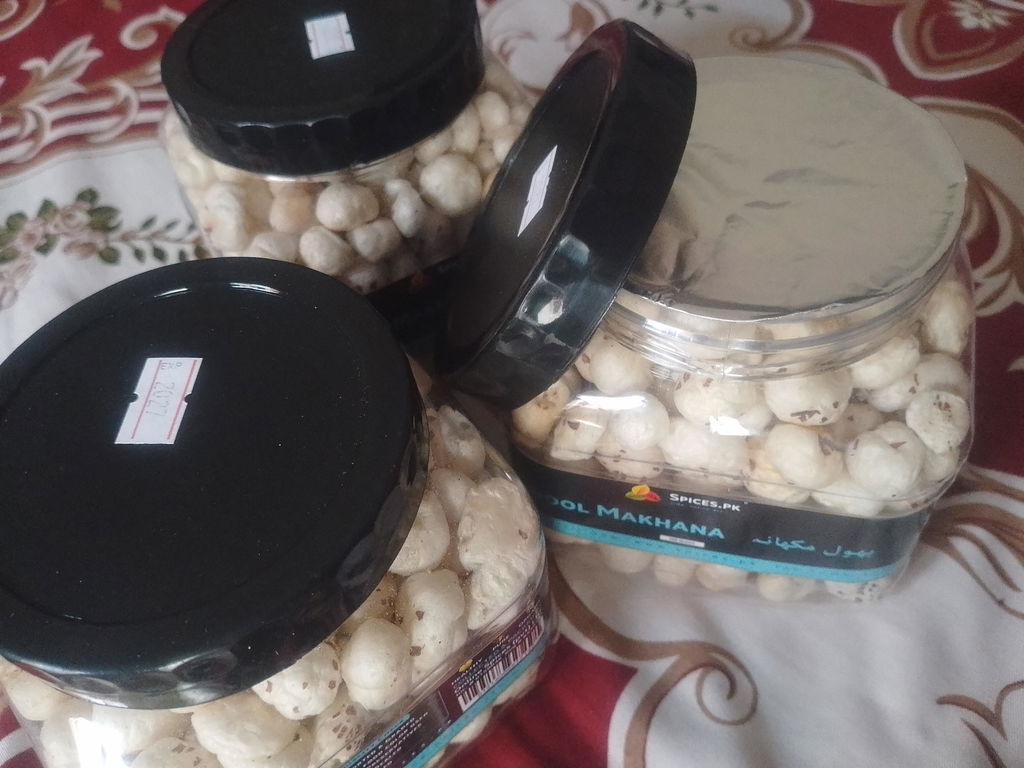
"I ordered the Organic Phool Makhana (Fox Nuts / Lotus Seeds) from Spices.PK hoping for a clean, healthy alternative to regular junk food, and they completely exceeded my expectations. As someone based in Lahore, Pakistan, finding premium export-quality superfoods online can be tough, but Spices.PK delivered fresh, chemical-free, and perfectly sized makhanay right to my doorstep with cash-on-delivery.
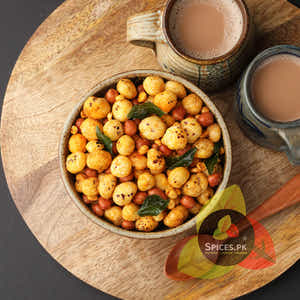
These fox nuts are exceptionally crunchy, clean, and completely free of debris or broken pieces. I personally roast them in a pan with a little bit of desi ghee, pink salt, and turmeric for a light evening snack. They are naturally packed with plant-based protein, dietary fiber, and calcium, making them an amazing low-calorie snack for weight loss and steady energy. Whether you are managing a keto diet, looking for diabetic-friendly snack options, or preparing traditional Pakistani panjiri, this is hands-down the best place to buy organic makhana online in Pakistan. Highly recommended for health-conscious families!"
























































































































































Let customers speak for us
Good store for shopping
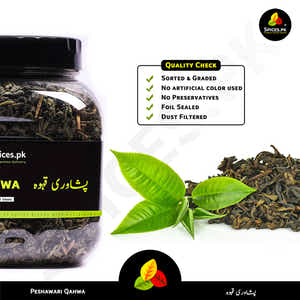
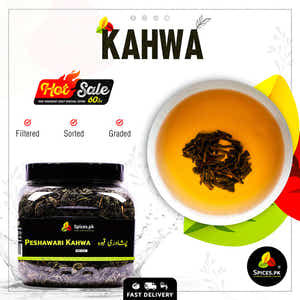
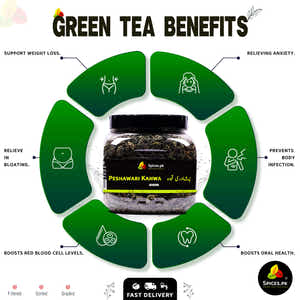
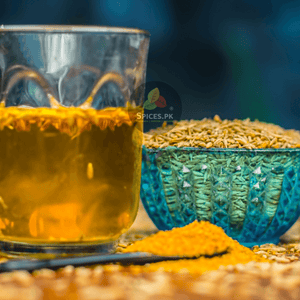
Peshawari Kahwa — Traditional Pakistani Green Tea
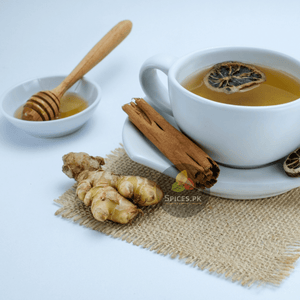
Bring warmth to your tea table with Spices PK Peshawari Kahwa, a loose-leaf green tea with an aromatic blend of cardamom, cinnamon and cloves. This traditional Pakistani qahwa offers earthy tea flavour and fragrant spice notes for everyday tea breaks or sharing with guests.
Brew, strain and serve hot in glass cups. Enjoy it plain, or add honey to your taste.

Shopping with Spices.pk for their 100% Pure Mustard Oil (Sarson ka Tel) has been an absolute delight from start to finish. The online ordering process on their website was seamless, user-friendly, and efficient, ensuring a hassle-free checkout. What impressed me most was their exceptional attention to detail regarding product safety and delivery: the 50ml bottles arrived securely wrapped in heavy bubble wrap, ensuring zero leakage or damage during transit. Spices.pk delivers on its promise of authentic quality, prompt shipping across Pakistan, and reliable customer service. If you are looking to buy genuine traditional oils and spices online, Spices.pk is a trustworthy, top-tier brand that I wholeheartedly recommend for quality and professionalism!
If you are looking for the best pure mustard oil (Sarson ka Tel) in Pakistan, the 100% Pure Mustard Oil (50ml Discount Pack) from Spices.pk is hands-down the top choice for hair care, skincare, and traditional massage. The quality is 100% natural, unadulterated, and rich in natural nutrients, giving you that authentic, deep-nourishing experience without any harsh additives. The compact 50ml bottle size is incredibly convenient, budget-friendly, and travel-friendly, making it super easy to use daily without mess or waste. Delivery across Pakistan via Spices.pk was fast, packaging was secure with bubble wrap, and the overall quality exceeded my expectations—highly recommended for anyone seeking pure Sarson ka Tel online!

If you are searching for the best 100% pure cold-pressed almond oil (Roghan Badam) in Pakistan, the Spices.pk 50ml Almond Oil Discount Pack is an absolute game-changer! I bought this lightweight, non-greasy organic sweet almond oil to fix my dry scalp and dark circles, and the results have been incredible. Packed naturally with Vitamin E, essential fatty acids, and powerful antioxidants, it deeply moisturizes the skin, strengthens hair roots to reduce breakage, and gives a healthy, natural glow. The convenient 50ml pump bottle makes daily application and scalp massage mess-free, and ordering online directly from Spices.pk in Pakistan was fast, seamless, and high-value. Whether you need a natural night serum for glowing skin, a rich hair growth treatment, or traditional Roghan Badam for holistic wellness, this is hands-down the highest quality organic almond oil you can buy online in Pakistan!

If you are looking for a reliable platform for healthy superfoods and pantry essentials, Spices.pk delivers an exceptional online shopping experience across Pakistan. Their website is user-friendly, featuring seamless navigation, clear product categorization (from organic seeds and dry fruits to traditional spices), and transparent pricing. Customers benefit from hassle-free ordering, secure payment options including Cash on Delivery (COD), and prompt nationwide shipping to major hubs like Lahore, Karachi, and Islamabad. With responsive customer support and secure, airtight packaging that preserves product freshness, Spices.pk stands out as a trusted, top-rated e-commerce destination for pure and authentic kitchen staples.
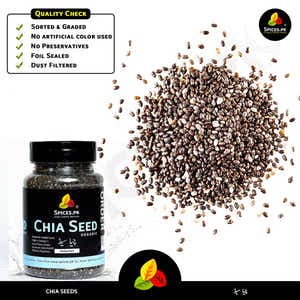
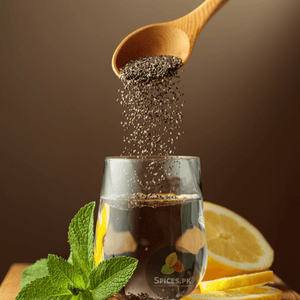
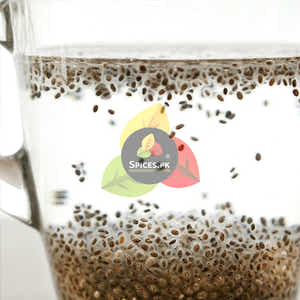
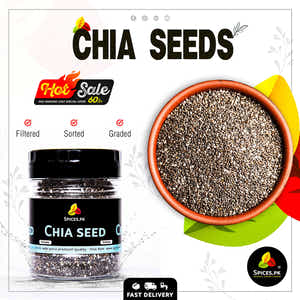
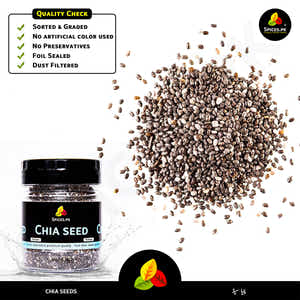
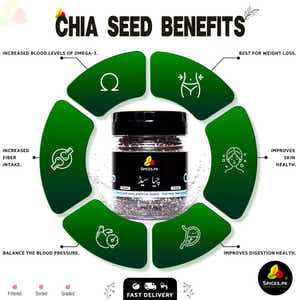
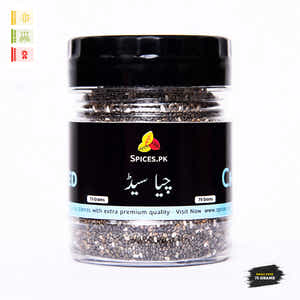
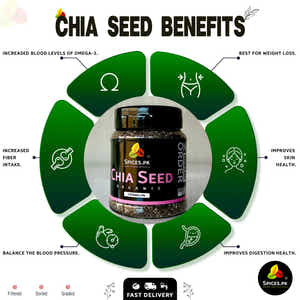
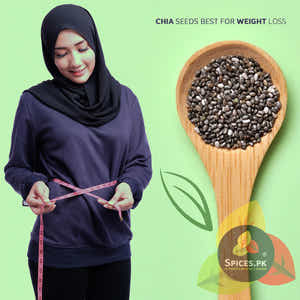
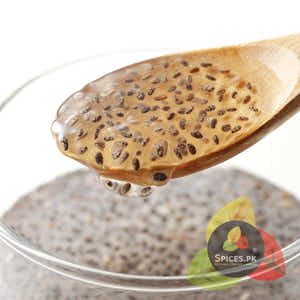
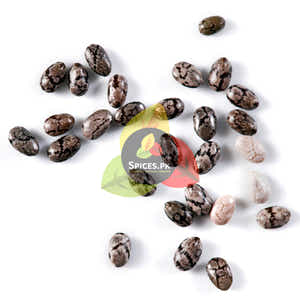
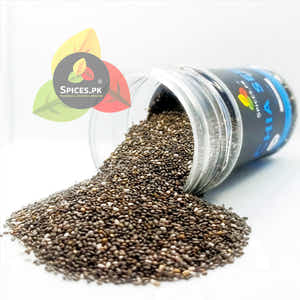
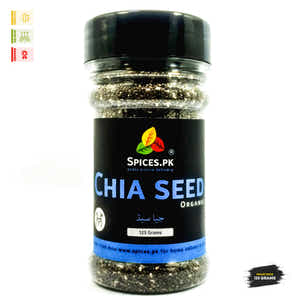
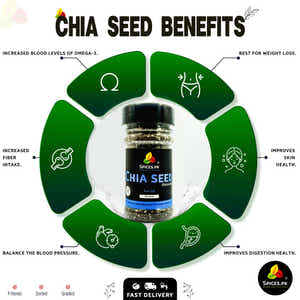
If you are looking to buy the best chia seeds in Pakistan, the Premium Chia Seeds 250g pack from Spices.pk is an absolute game-changer for your health and weight loss journey. As 100% pure, organic, and triple-cleaned superfood seeds (locally known as Tukhm-e-Sharbati), they are exceptionally rich in dietary fiber, plant-based Omega-3 fatty acids, and essential proteins that keep you full longer and boost daily energy. Whether you love mixing them into a refreshing summer sharbat, morning detox water, weight loss smoothies, or overnight pudding, this value pack delivers supreme freshness in a convenient resealable pouch with nationwide delivery across Lahore, Karachi, Islamabad, and beyond. Highly recommended for anyone seeking premium quality nutrition, smooth digestion, and authentic wellness right from their kitchen!

Great Product & Fast Delivery. Thanks
The Pure Coconut Oil (Nariyal Ka Tel) by Spices.pk is an exceptional, 100% unadulterated product that has quickly become a staple in my daily self-care routine in Pakistan. Unlike heavily processed or diluted commercial oils, this authentic coconut oil features a natural aroma, solidifies in cooler temperatures, and is completely free from mineral oils or synthetic fragrances. Whether used for a deep-conditioning hair scalp massage to tame frizz and boost shine, or applied as a nourishing post-shower skin moisturizer, it delivers incredible hydration. If you are looking for a genuinely pure, multi-purpose organic coconut oil for hair growth and skin health, Spices.pk offers the highest quality available online.

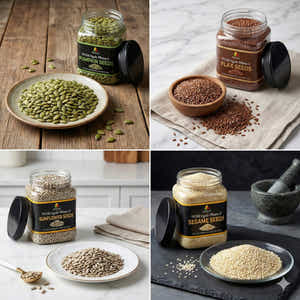
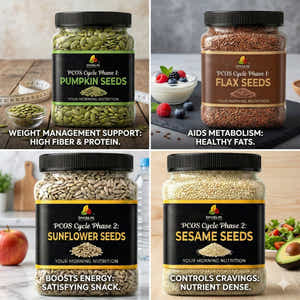
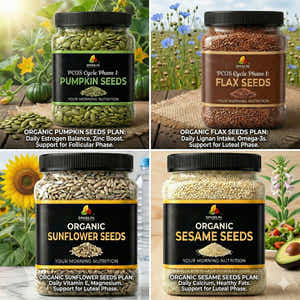
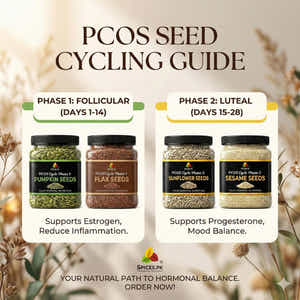
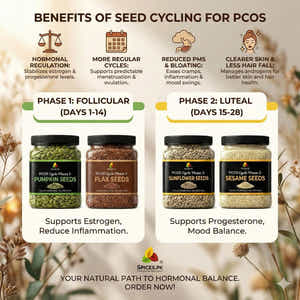
The **PCOS Seed Cycling Kit by Spices.pk** is an absolute game-changer for women managing hormonal imbalances and irregular periods in Pakistan. This thoughtfully curated kit includes all four essential, 100% organic seeds—**pumpkin and flax seeds for the follicular phase**, and **sesame and sunflower seeds for the luteal phase**—ensuring complete cycle synchronization. Unlike loose market alternatives, Spices.pk delivers exceptionally clean, fresh, and premium-quality seeds in airtight packaging that locks in vital nutrients like Omega-3s and Vitamin E. After just a few months of consistent use, I experienced a noticeable improvement in cycle regularity, reduced hormonal acne, and better PMS management. If you are looking for a natural, food-first remedy for hormonal health, this kit is worth every rupee.

Good product

Good products

Great Services, Great Packing, Fast Delivery
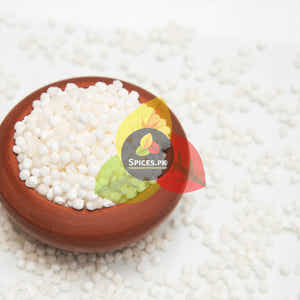
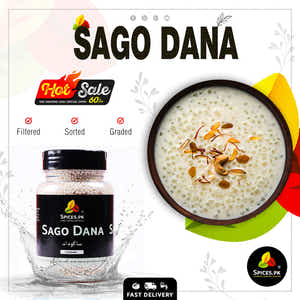
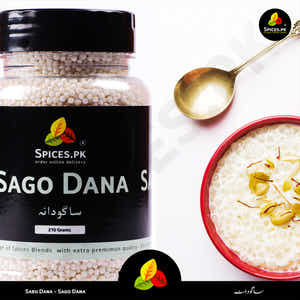
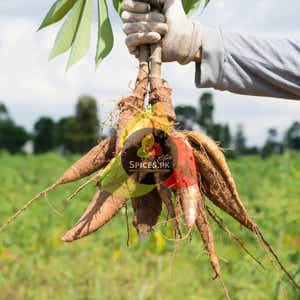
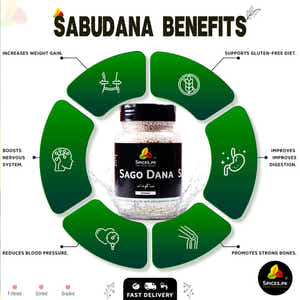
"Finding high-quality, evenly sized, and clean Sabudana (Sago Pearls / ساگودانہ) that doesn't turn into a sticky, heavy paste or melt into mush while cooking used to be a frustrating task. Most local grocery stores sell broken or chemically bleached sago pearls full of dust. Thankfully, I ordered the Organic Sabudana (Sago Pearls) from Spices.PK, and the quality is remarkably superior.
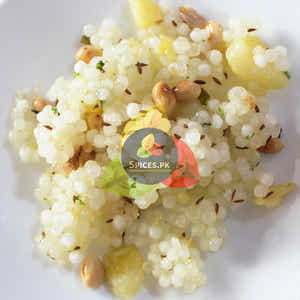
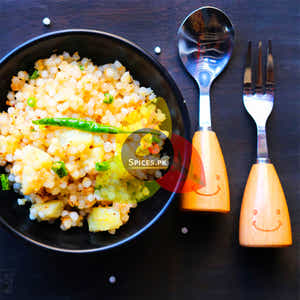
Based in Karachi, Pakistan, I needed a light, easily digestible food option for toddler meals, fasting days (roza), and soothing weaning diets. These organic sago pearls are beautifully uniform, pearly white, completely free of impurities, and soak up water evenly. When boiled or made into traditional creamy Sabu-dana kheer or light savory khichdi, they retain a lovely, soft-yet-chewy texture without clumping together. Delivered right to my doorstep with seamless cash-on-delivery, it's safe to say Spices.PK is now my go-to online store for authentic organic grains and superfoods in Pakistan!"

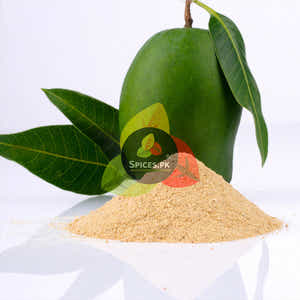
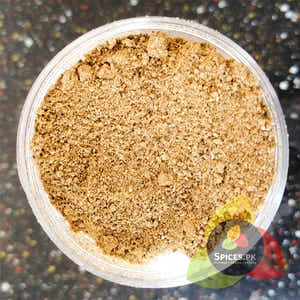
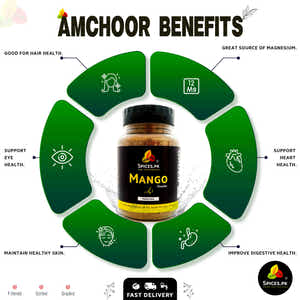
"If you are tired of using liquid lemon juice or tamarind paste that makes your dry vegetable stir-fries, samosa fillings, and chaats soggy, you need to try the Organic Amchoor (Raw Mango Powder / آمچور) from Spices.PK. As a home chef based in Islamabad, Pakistan, finding authentic, chemical-free dry mango powder that retains a sharp, natural fruity tartness without artificial fillers is difficult.
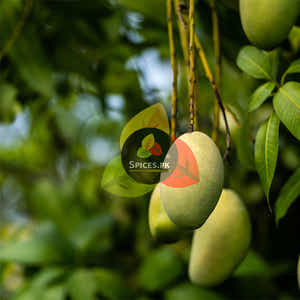
Spices.PK completely nailed the quality. Made from sun-dried unripe green mangoes, this amchoor powder has a fine texture, an incredible sun-drenched aroma, and a clean citrusy kick that instantly elevates dishes like chana chaat, aloo tikkies, and traditional meat marinades without altering the texture. It also acts as a wonderful natural meat tenderizer and digestive aid. Delivered fresh to my door with smooth cash-on-delivery service, it has easily become a permanent staple in my spice rack. Highly recommended for anyone looking for 100% pure organic spices online in Pakistan!"

اکثر پوچھے جانے والے سوالات


