



 Spices.pk
⚡ Accepted Payment Methods


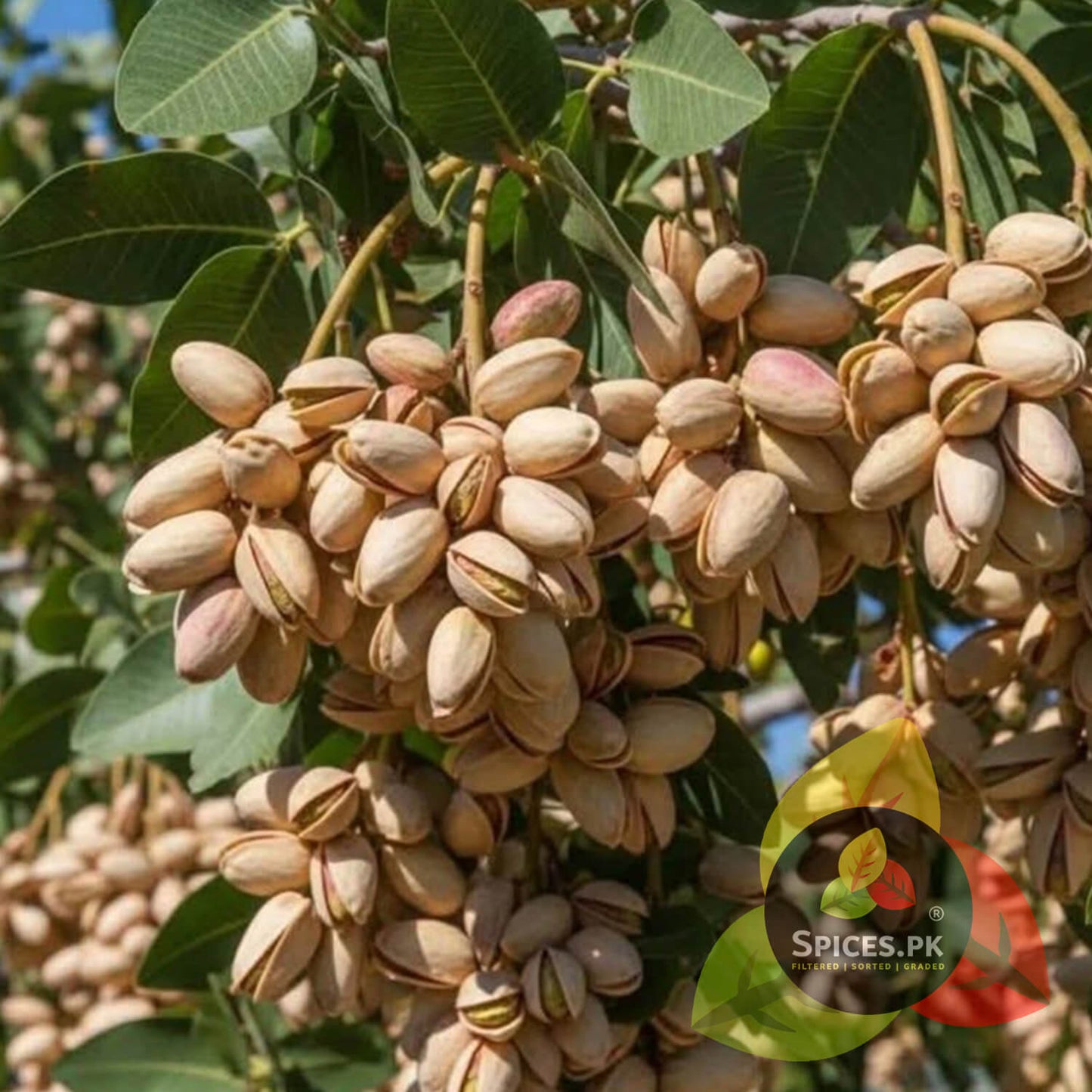
Premium Salted Pistachio – Pista Namkeen (پستہ) – Heart-Healthy, Protein-Rich Superfood for Weight Management, Blood Sugar Control & Glowing Skin
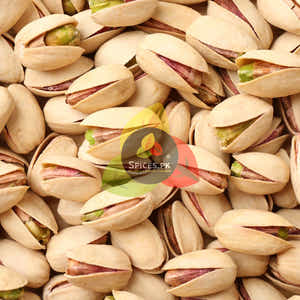
Welcome to Spices.pk, your most trusted source for 100% natural, premium-quality dry fruits and superfoods. Our premium Salted Pistachio – Pista Namkeen (پستہ / Pista) are carefully selected, slow-roasted whole pistachio kernels, lightly salted to perfection. Known since ancient times as the "smiling nut" for their naturally split shells, pistachios have been treasured from the royal courts of Persia to the palaces of the Mughal Empire. Today, they are prized around the world as one of the most nutrient-dense nuts you can eat. A single serving delivers an impressive 6g of plant protein, 3g of dietary fibre, and a powerful blend of heart-healthy monounsaturated fats. These emerald-green kernels are exceptionally rich in vitamin B6 – an essential nutrient for brain function and immune health – as well as potassium, magnesium, copper, and thiamin. With a low glycemic index and high satiety factor, pistachios support weight management, help stabilise blood sugar levels, and promote heart health by lowering LDL cholesterol. Whether enjoyed as an evening snack, sprinkled over desserts, or added to savoury rice dishes, our salted pistachios are the perfect guilt-free indulgence. Kosher, halal, and packed fresh in Pakistan, they bring the authentic taste of premium dry fruits directly to your home.

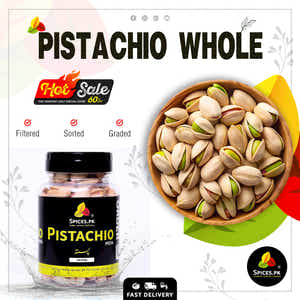
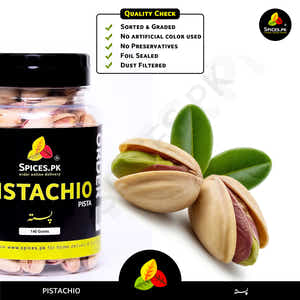
Pistachio - Salted (پستہ)
Why Choose Spices.pk Salted Pistachios (Pista Namkeen)?

What Are Pistachios (Pista / پستہ)?
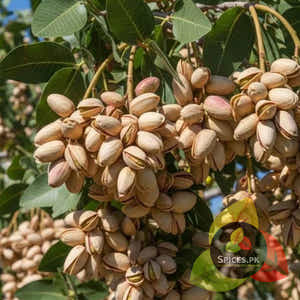
Pistachios, known in Urdu as Pista (پستہ), are the edible seeds of the Pistacia vera tree, a small deciduous member of the cashew family (Anacardiaceae). The name "pistachio" comes from the ancient Persian word "*pistak*", which evolved into the New Persian "pisteh", the root of the modern term. The tree is native to Central Asia and the Middle East, with archaeological evidence suggesting its cultivation in this region for over 3,500 years. The pistachio is a unique nut because it is one of the few nuts that can be eaten raw, roasted, salted, or sweetened. The kernel has a distinctive, slightly sweet, earthy flavour and a satisfying crunch. The most prized pistachios have a naturally open, split shell, which reveals the green and purple hues of the kernel – a sign of high antioxidant content.
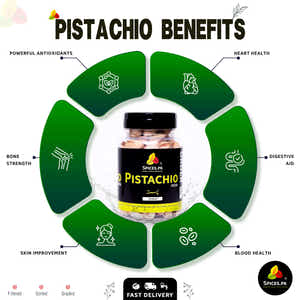
Pistachios are one of the most nutrient-dense nuts available. A standard one-ounce serving (about 28g, or roughly 49 kernels) provides 159 calories, 6g of plant protein, 3g of dietary fibre, 13g of fat (the vast majority of which is heart-healthy unsaturated fat), and 8g of carbohydrates. They are an excellent source of vitamin B6 (25% of the daily value per serving), thiamin (16% DV), copper (41% DV), phosphorus (14% DV), and manganese (15% DV). They also provide significant amounts of potassium, magnesium, iron, zinc, and selenium. The low glycemic index (GI) of pistachios (around 15 for 1oz) means they do not cause sharp spikes in blood sugar. In fact, due to their high fibre, protein, and healthy fat content, they have been shown to reduce the glycemic response of high-carbohydrate foods when eaten together.
In Pakistan, pistachios are an indispensable part of festive cuisine. They are the star ingredient in the beloved sweet "Pista Barfi" and the creamy, nutty "Kulfi." Crushed pistachios are sprinkled over biryani, pulao, and sweet rice dishes to add a vibrant colour and a rich, nutty flavour. A bowl of salted pistachios is the ultimate treat for guests during Eid, weddings, and winter evenings. Despite being one of the more expensive dry fruits on the market, the demand for high-quality pista remains strong, a testament to its enduring appeal.
A 3,500-Year Journey: The History of Pistachios
The history of the pistachio is a story of ancient trade, royal courts, and global expansion. The Pistacia vera tree is native to the mountainous regions of Central Asia, including modern-day Iran, Afghanistan, Turkmenistan, and Kyrgyzstan. Archaeological evidence suggests that pistachios were being consumed by humans as early as 7,000 BCE. However, the first documented cultivation of the tree dates back to around 1,500 BCE in the gardens of the Hanging Gardens of Babylon, one of the Seven Wonders of the Ancient World. The pistachio was considered a delicacy and was reserved for royalty and the elite. From its Central Asian homeland, the cultivation of pistachios spread throughout the Middle East along the ancient trade routes that would later form the Silk Road.
In the 1st century CE, the pistachio was introduced to the Roman Empire by the Roman consul Vitellius, who brought the tree from Syria to Italy. Its popularity grew, and it soon spread throughout the Mediterranean. However, it was the Persian and later the Mughal empires that truly elevated the pistachio to a status of luxury. In Persia, the nut was known as "pisteh," a word that would become the root of the modern English name. Mughal emperors, who had deep cultural ties to Persia, were great patrons of the pistachio. They brought the finest Persian pistachios to their royal kitchens in India, and the nut quickly became a staple in Mughlai cuisine. The deep green colour of the kernel was used to signify wealth and prosperity, and the nut was used to garnish royal dishes, sweets, and even meat stews.
The introduction of the pistachio to the United States is a relatively recent chapter in its long history. The first experimental plantings in California took place in the 1930s, but it was not until the 1970s and 1980s that the industry really took off. Today, the United States is the world's largest producer of pistachios, with California's Central Valley alone accounting for nearly 300,000 acres of pistachio orchards. Iran remains the second largest producer, known for its high-quality, traditionally harvested nuts. Turkey, China, and Syria are also significant producers. In 2024, the US produced over 700,000 metric tons of pistachios, while Iran produced around 200,000 metric tons. The global market for pistachios is estimated to be worth over $3 billion and is growing rapidly, driven by increasing demand for healthy, plant-based snacks. In Pakistan, pistachios are not grown commercially on a large scale, and the country is a major importer, primarily from Iran, Afghanistan, and the US. The price of pistachios in Pakistan is subject to significant fluctuation, with imported Iranian and American varieties ranging from Rs3,000 to Rs7,000 per kilogram, depending on quality and market conditions.


































































































































اکثر پوچھے جانے والے سوالات


