



 Spices.pk
⚡ Accepted Payment Methods


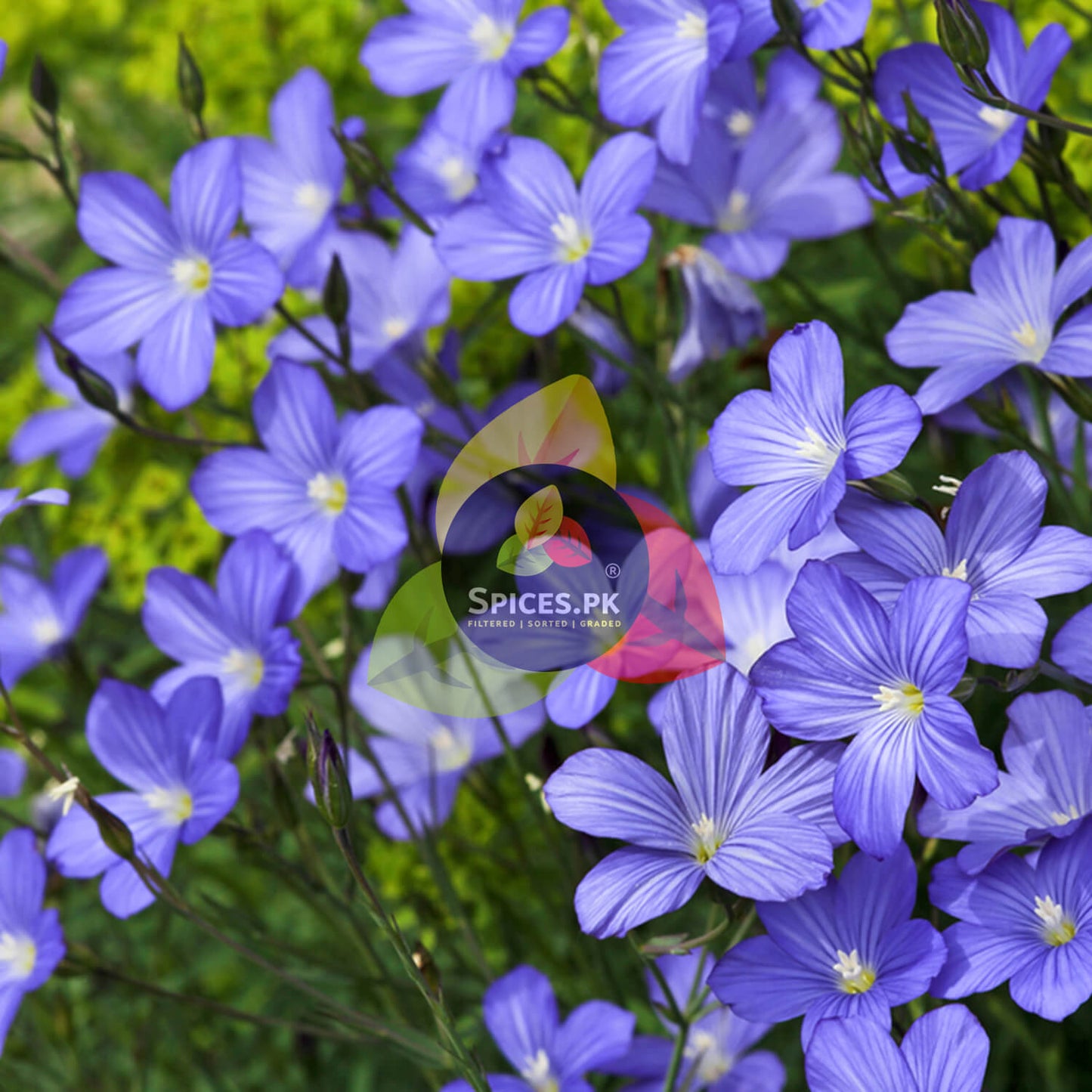
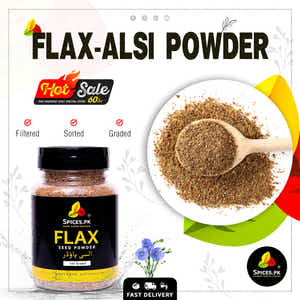
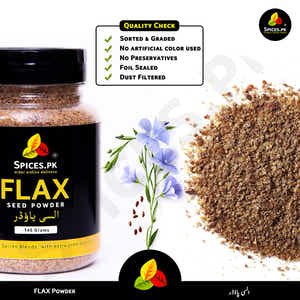
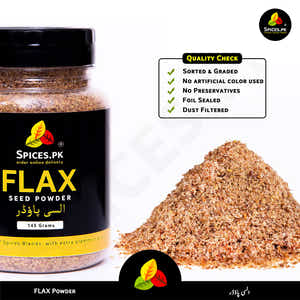
Premium Flax Powder – Alsi Powder (السی پاؤڈر) – 18g Protein, 28g Fibre, 23g ALA per 100g | Superfood for Digestion, Heart Health & Weight Management
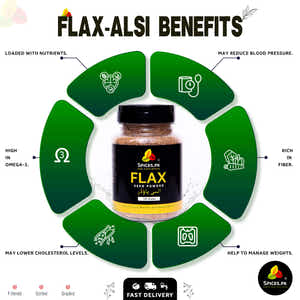
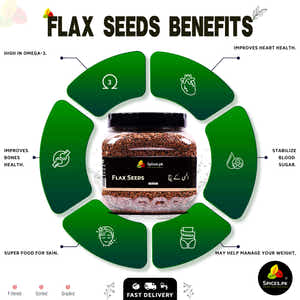
Welcome to Spices.pk, your most trusted source for 100% natural, chemical‑free superfoods. Our premium Flax Powder – Alsi Powder (السی پاؤڈر / Ground Flaxseed / Linseed Powder) is made from the finest quality brown flaxseeds, finely milled to unlock their complete nutritional potential. Unlike whole flaxseeds, which can pass through the digestive system intact, our ground flax powder delivers all the benefits of this ancient superfood directly to your body. A 100g serving of our powder provides 18g of high‑quality plant protein, 28g of dietary fibre, and 23g of the essential omega‑3 fatty acid alpha‑linolenic acid (ALA). Flax is also one of the richest sources of lignans, containing up to 800 times more than other plant foods. These compounds work together to support healthy digestion, relieve constipation, lower cholesterol, stabilise blood sugar, aid in weight management, and support heart and brain health. Whether you add it to your morning roti, stir it into yoghurt, blend it into smoothies, or use it as an egg substitute in baking, our Alsi Powder is the easiest way to boost your daily nutrition. Packed fresh in Pakistan from ethically sourced seeds, it is 100% natural, halal, and ready for your healthy lifestyle.

Flax Powder (السی پاؤڈر)
Why Choose Spices.pk Flax Powder (Alsi Powder)?

What Is Flax Powder (Alsi Powder / السی پاؤڈر)?
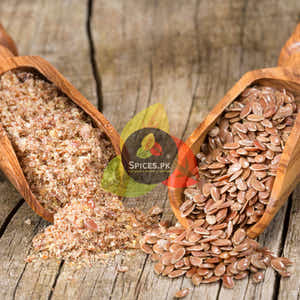
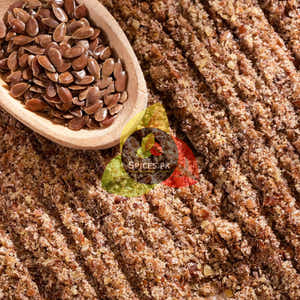
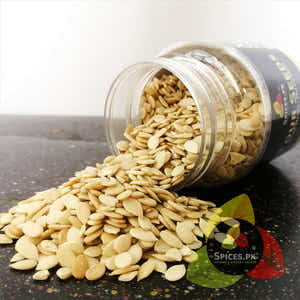
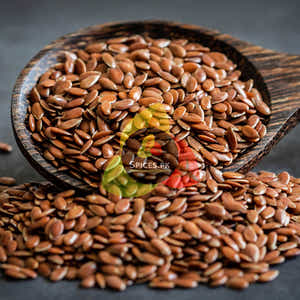
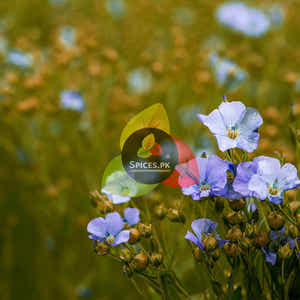
Flax powder, known in Urdu as Alsi Powder (السی پاؤڈر) or simply Pisa Hua Alsi, is made by grinding whole flaxseeds into a fine, smooth powder. Flaxseeds (Linum usitatissimum) are small, brown or golden seeds that have been cultivated for over 5,000 years, valued both for their nutritious seeds and the strong fibres of the flax plant, which are woven into linen. In South Asia, the seeds are called Alsi, and their use in traditional homes for both health and cooking is ancient. While whole seeds are also nutritious, the tough outer shell of a flaxseed is extremely difficult for the human body to break down. Whole seeds often pass through the digestive system entirely intact, meaning you never absorb the valuable nutrients inside. Grinding the seeds into a powder is the solution. By milling them, we crack open the hard shell and release the healthy fats, protein, and soluble fibre, making all of it easily accessible to your digestive system.
The nutritional profile of flax powder is nothing short of extraordinary. Every 100g of our ground flax provides an impressive 18.3g of plant protein, 42g of total fat (of which 25.3g is the essential omega‑3 fatty acid ALA), and 27.3g of total dietary fibre. It is also an excellent source of many essential micronutrients, including thiamin (vitamin B1), copper, manganese, magnesium, phosphorus, and selenium. Perhaps most unique to flax is its exceptionally high content of lignans, a type of polyphenol that acts as a powerful antioxidant and phytoestrogen. Flaxseed contains up to 800 times more lignans than other plant foods, and these compounds are believed to be responsible for many of its cancer‑fighting and hormone‑balancing properties. As the global vegan population exceeds 800 million, flax powder is also recognised as a leading plant‑based source of omega‑3 fatty acids, filling a critical nutritional gap for those who do not eat fish.
A 5,000‑Year Legacy: The History of Flax
The history of flax is the history of civilisation itself. The flax plant (Linum usitatissimum) is one of the oldest cultivated crops, with evidence of its use dating back over 5,000 years. It was first domesticated in the Fertile Crescent of the Middle East, in the region known as the cradle of agriculture. The ancient Egyptians are perhaps the most famous early adopters of flax. They prized the plant for two things: the strong, durable fibres of its stem, which they spun into fine linen cloth for clothing and burial shrouds, and the nutritious seeds, which they consumed as a food and used medicinally. Linen wrappings found on mummies thousands of years old are testament to the strength of the flax fibre. In ancient Greece, the philosopher Theophrastus wrote about the medicinal uses of flaxseeds, and Hippocrates himself is said to have recommended them for soothing inflammation of the mucous membranes.
The plant travelled eastward from its Middle Eastern homeland along the ancient Silk Road, reaching the Indian subcontinent several thousand years ago. In the subcontinent, it became known as "Alsi" and was integrated into both cuisine and Ayurvedic medicine. The seeds were traditionally used as a digestive aid and a remedy for constipation, and the oil was applied to the skin for its soothing properties. In many rural households, families would grind the seeds by hand using a stone mortar and pestle, a practice that continues in some areas today. The global cultivation of flax expanded dramatically during the colonial era, as European powers sought to secure supplies of both linseed oil (for industry) and linen (for textiles). Today, the global flaxseed market is valued at an estimated USD 500‑900 million and is projected to grow at a rate of 10‑16% through 2030. Canada, Russia, and Kazakhstan are the world's largest producers, with Canada alone accounting for over 40% of global flaxseed production. Pakistan, while not a large producer, has seen an extraordinary 274.5% increase in flaxseed imports from 2023 to 2024, driven by a nationwide shift toward healthier eating habits.











































































































































اکثر پوچھے جانے والے سوالات


