



 Spices.pk
⚡ Accepted Payment Methods


Premium Palash Gum – Kamarkas (کمرکس) – Traditional Gum Resin for Sweet Preparations & Culinary Heritage | 100% Natural Butea Monosperma
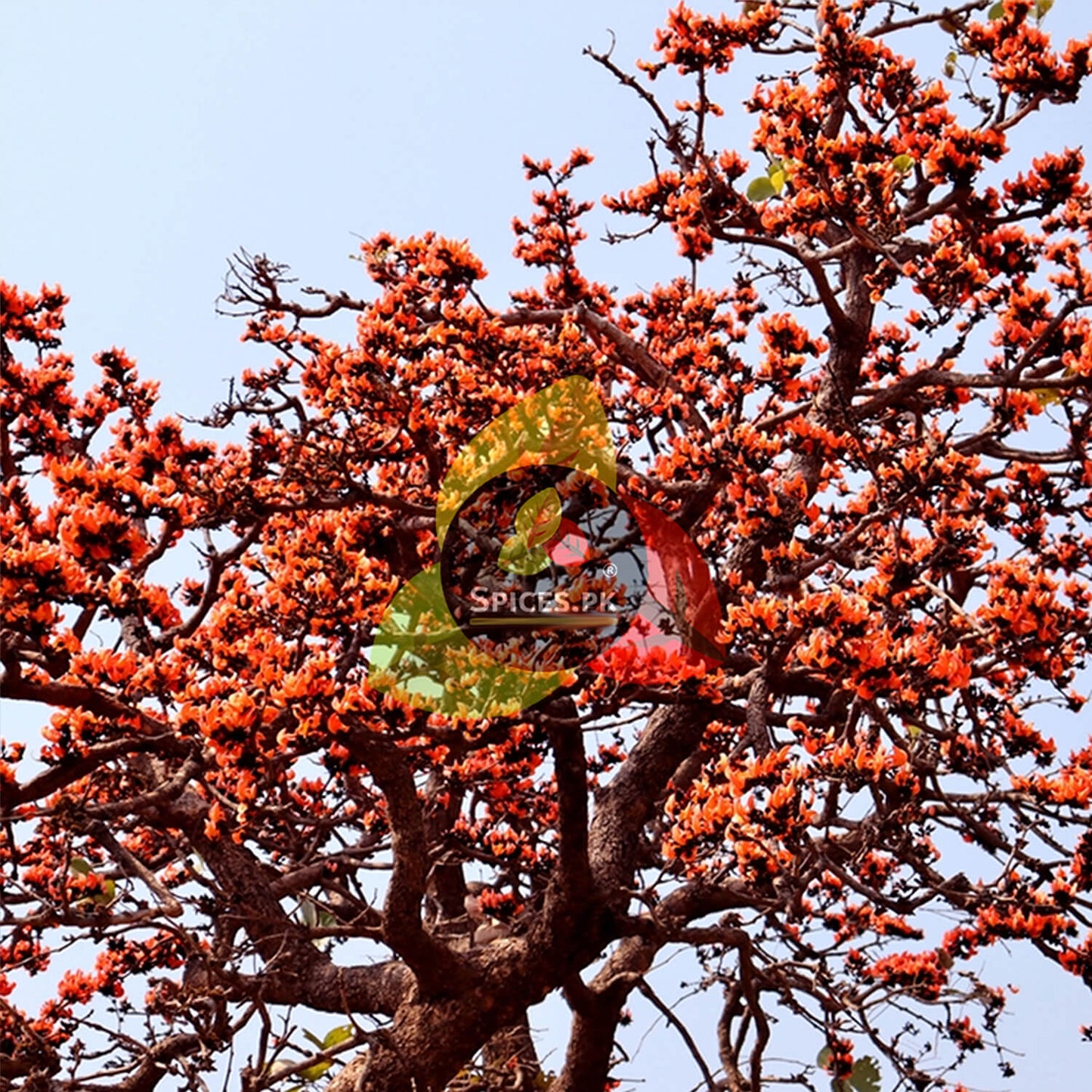
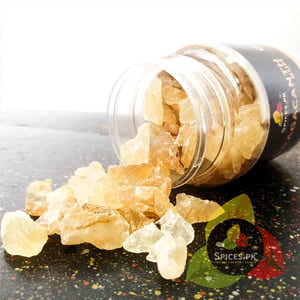
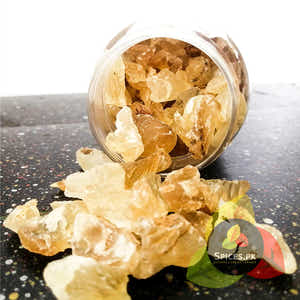
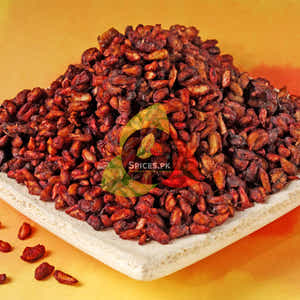
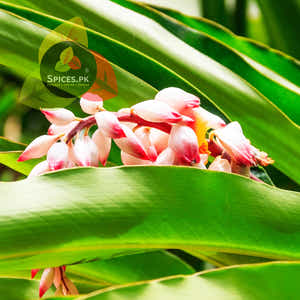
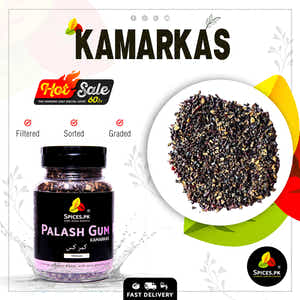
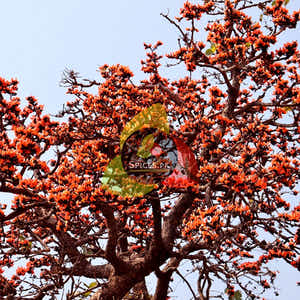
Welcome to Spices.pk, your most trusted source for 100% natural, chemical‑free spices and superfoods. Our premium Kamarkas (کمرکس) – also known as Palash Gum, Gond Chunia, or Bengal Kino is a reddish‑black gum resin obtained from the bark of the Palash tree (Butea monosperma), the legendary "Flame of the Forest" that lights up South Asian landscapes with its brilliant orange‑red flowers. For centuries, this natural gum has been used in traditional sweet preparations like laddoos and Panjiri, especially in South Asian culinary heritage. The name "Kamarkas" literally means "tightening of the waist" – a nod to its traditional use in strengthening preparations. The gum naturally contains tannins, flavonoids, glycosides, and other plant compounds. It also provides naturally occurring vitamin K, calcium, and iron. Whether you are exploring traditional Pakistani recipes, making festive sweets, or looking for authentic natural ingredients, our Kamarkas brings the timeless culinary wisdom of South Asia straight to your kitchen. Hand‑harvested from wild Butea trees in Pakistan, India, and Nepal, our Kamarkas is 100% pure, unadulterated, and free from any artificial additives.

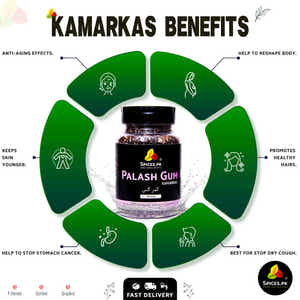
Palash Gum (کمرکس)
Why Choose Spices.pk Kamarkas (Palash Gum)?

What Is Kamarkas (کمرکس / Palash Gum)?
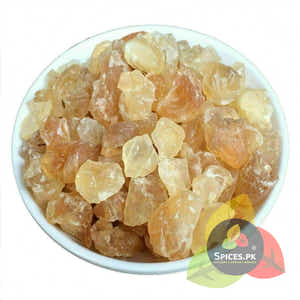
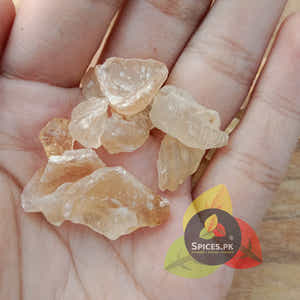
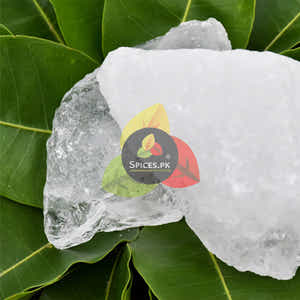
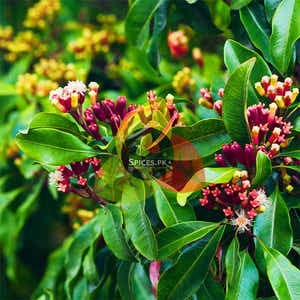
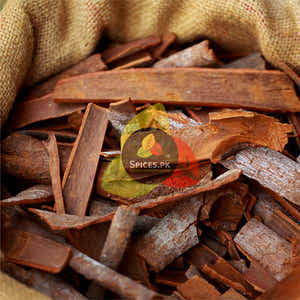
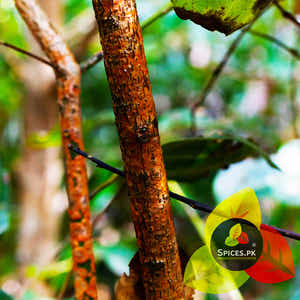
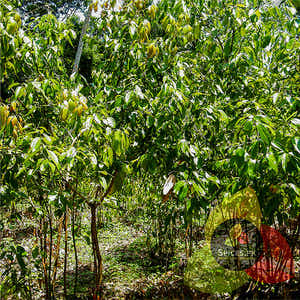
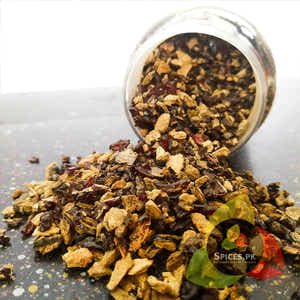
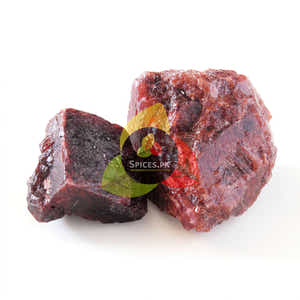
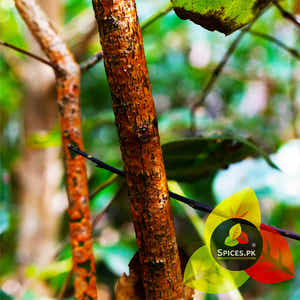
Kamarkas, also known as Palash Gond, Gond Chunia, Bengal Kino, or Butea Gum, is a natural gum resin exuded from the bark of the Palash tree (Butea monosperma). The name "Kamarkas" comes from two Urdu words: "kamar" (waist) and "kas" (tightening), referring to its traditional use in strengthening preparations. The Palash tree, commonly called the "Flame of the Forest" for its spectacular orange‑red flowers, is a medium‑sized deciduous tree native to tropical South Asia, ranging across Pakistan, India, Bangladesh, Nepal, Sri Lanka, Myanmar, Thailand, Laos, Cambodia, Vietnam, Malaysia, and western Indonesia. The tree belongs to the Fabaceae (legume) family and is deeply woven into the cultural and culinary traditions of the subcontinent. The gum is obtained by making incisions in the bark, from which a milky reddish sap oozes out and hardens into irregular, glassy, reddish‑black tears or flakes. These are then cleaned, sorted, and packaged.
Chemically, Kamarkas contains tannins, flavonoids, glycosides, kinotannic acid, gallic acid, and other polyphenolic compounds. Nutritionally, Kamarkas provides a modest amount of protein (0.1g per teaspoon), carbohydrates (0.4g per teaspoon), and very little fat, along with naturally occurring micronutrients: 1 teaspoon provides vitamin K, calcium, manganese, and iron. These nutrients are part of this traditional natural gum's wholesome profile.
In traditional South Asian culinary practices, Kamarkas is primarily incorporated into sweet preparations like laddoos and Panjiri, which have been made for generations in Pakistani and Indian households. These festive sweets are especially popular during winter months and celebratory occasions. The gum is valued for its unique texture and its ability to bind ingredients together while adding a subtle earthy flavour. At Spices.pk, we bring you the highest quality, hand‑cleaned Kamarkas, packed fresh to preserve its natural qualities.
A 2,000‑Year Cultural Legacy: The History of Kamarkas
The history of Kamarkas is inseparable from the Palash tree, which has been revered in South Asian culture for over two millennia. The first known mention of the Palash tree appears in the Sukla Yajurveda, one of the four sacred texts of Hinduism, where the branch of the Palasa tree is used by the Adhvaryu priest in sacrificial rituals. The tree is also mentioned in the Charaka Samhita and Sushruta Samhita (dated to around 600‑300 BCE), the foundational texts of Ayurveda, where the flowers, seeds, bark, and gum are described.
The tree's cultural importance grew during the Mughal era (16th–19th centuries), when the Unani system of medicine – brought to South Asia by Persian and Central Asian physicians – flourished. Unani scholars adopted Palash gum into their pharmacopoeia under the name "Gond Chuniya" or "Samagh‑i‑Kuniyyah." The tradition of making Kamarkas laddoos for special occasions became widespread during this period, and it is also at this time that the name "Kamarkas" (کمرکس) – "tightening of the waist" – became the common Urdu and Hindi name for the gum.
Today, the Palash tree grows wild across the arid and semi‑arid regions of the Indian subcontinent. India remains the largest producer and exporter, with the gum being hand‑tapped by tribal communities, particularly the Saharia community in Central India. However, Pakistan also produces Kamarkas from wild Palash trees found in Punjab, Khyber Pakhtunkhwa, and Sindh. The global market for natural gums and resins has grown steadily, with increasing demand from both traditional culinary circles and modern food enthusiasts. Whether used in traditional laddoos or as a unique ingredient in experimental cooking, Kamarkas continues to be valued for its remarkable culinary heritage.















































































































































































































اکثر پوچھے جانے والے سوالات


