



 Spices.pk
⚡ Accepted Payment Methods


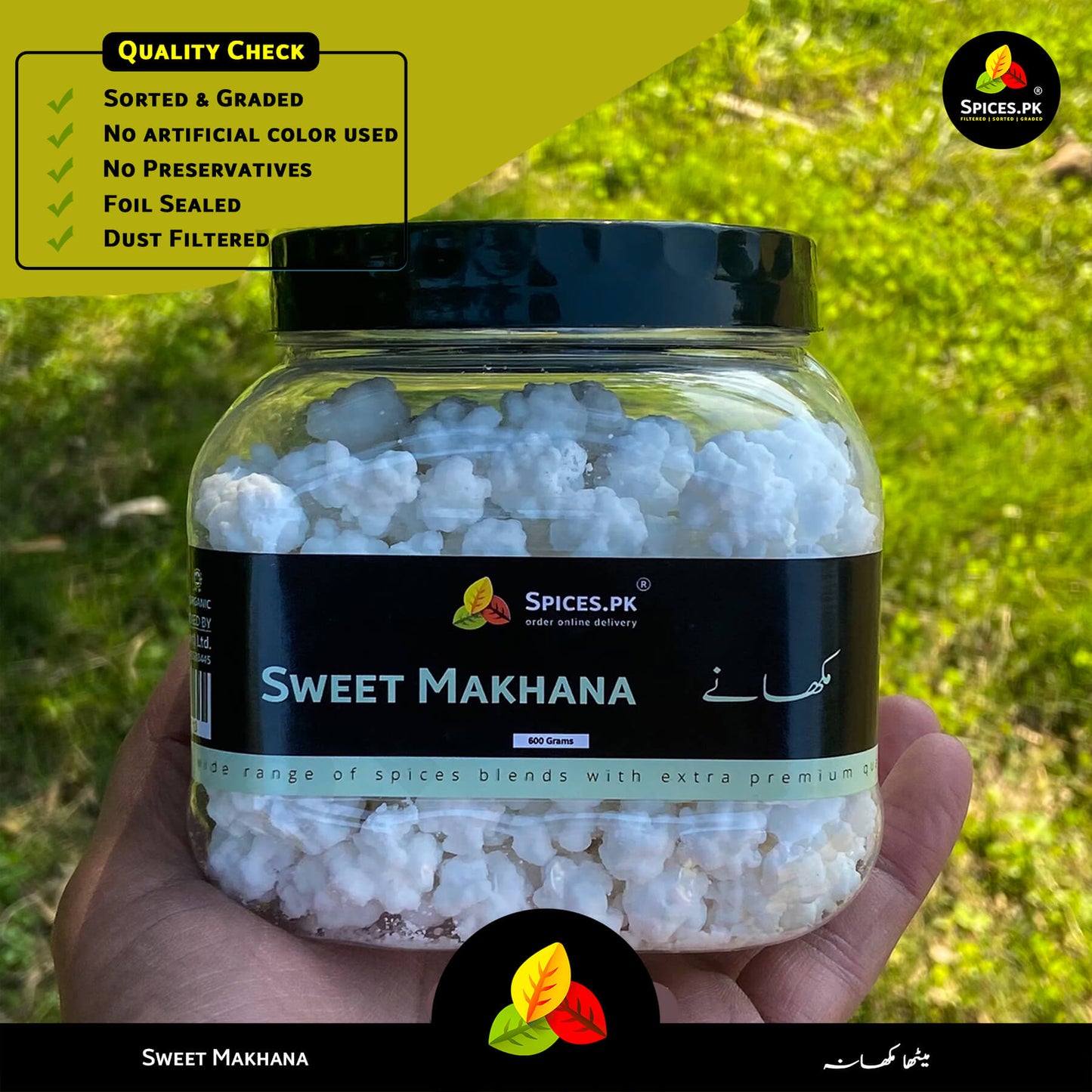
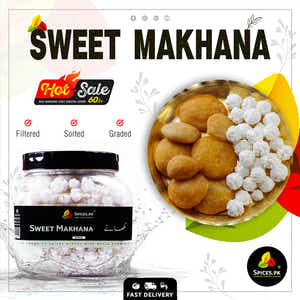
Traditional Sweet Makhana (میٹھے مکھانے) – Pure Sugar Confection for Prasad, Festive Offerings & Instant Sweet Cravings
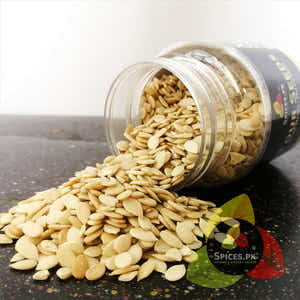
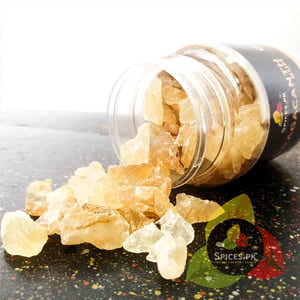
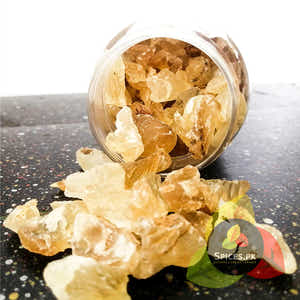
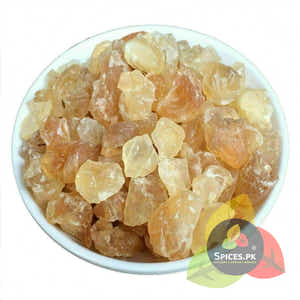
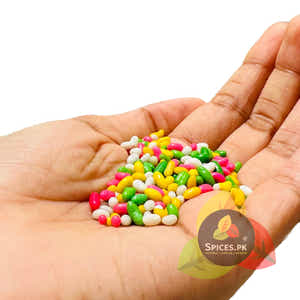
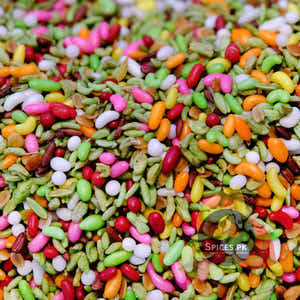
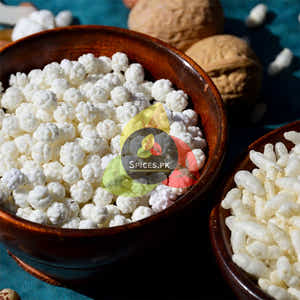
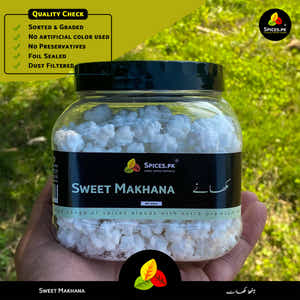
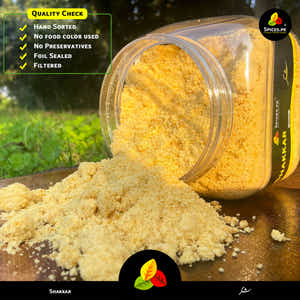
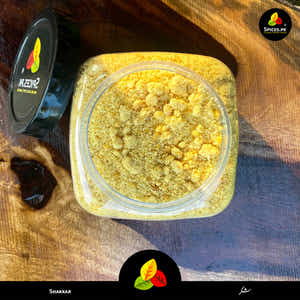
Welcome to Spices.pk, your most trusted source for 100% pure, chemical‑free traditional sweets and confections. Our premium Sweet Makhana (میٹھے مکھانے) – also known as Nakul Dana, Elaichi Dana, or Mimosa Sugar Balls – are small, pearl‑like sugar confections made from refined sugar and lightly flavoured with cardamom. Handcrafted using a traditional centrifuge technique passed down through generations of halwais (sweet makers), these crunchy, melt‑in‑the‑mouth sugar balls are an essential part of religious ceremonies (Prasad), festive celebrations (Diwali, Holi, Eid), and everyday sweet cravings. Packed fresh in Pakistan, they offer a pure, halal, and vegetarian sweetening option that instantly satisfies your sweet tooth.

Sweet Makhana (میٹھے مکھانے)
Why Choose Spices.pk Sweet Makhana (میٹھے مکھانے)?

What is Sweet Makhana (میٹھے مکھانے)?
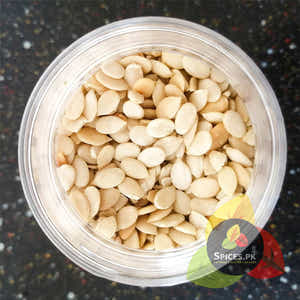
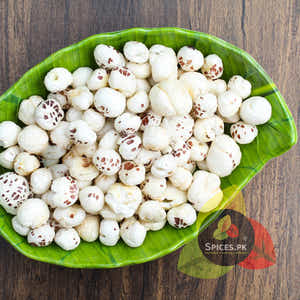
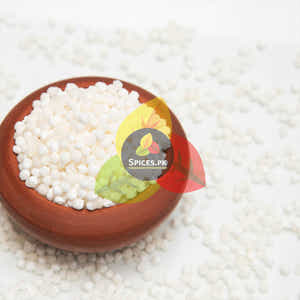
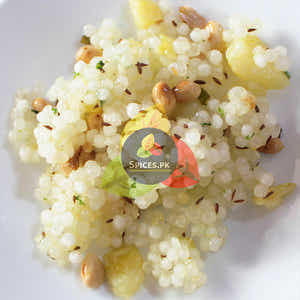
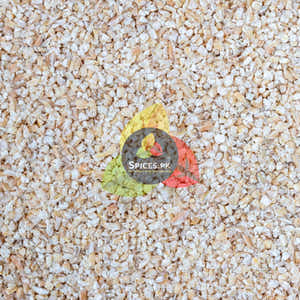
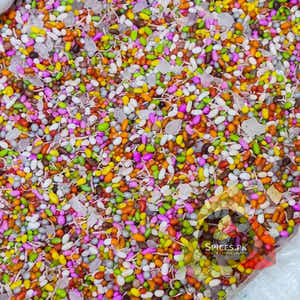
Sweet Makhana (میٹھے مکھانے), also known as Nakul Dana, Elaichi Dana, or Mimosa Sugar Balls, is a traditional South Asian confection made entirely from pure refined sugar and cardamom (elaichi) flavouring. Important note: Despite the name "Makhana," this product is NOT related to fox nuts (Euryale ferox / lotus seeds). Sweet Makhana is a pure sugar confection – small, white, pearl‑like drops that are highly valued for their distinctive sweet taste and satisfying crunch. Unlike hard candies, these sugar balls instantly melt in your mouth, releasing a subtle cardamom aroma.
Nutritional profile per 100g: approximately 400‑420 kcal, 99‑100g carbohydrates (pure sucrose), 0g protein, 0g fat, 0g fibre. While it offers no vitamins or minerals, its primary value lies in its cultural, religious, and sensory appeal. The cardamom flavouring adds a pleasant digestive aid. Sweet Makhana is widely used in religious ceremonies across Pakistan, India, and Nepal, offered to deities as Prasad (blessed offering) and later distributed among devotees. Its long shelf life (12+ months) and portability make it an ideal choice for both daily use and special festivals like Diwali, Holi, Janmashtami, Shivratri, and Eid.
Whether you need a quick sweet bite, a decorative topping for desserts, or a traditional Prasad for your home temple, our Sweet Makhana delivers the authentic taste and texture that generations of South Asians have cherished.
A Timeless Tradition: The History of Sweet Makhana (Nakul Dana)
The origins of Sweet Makhana as a sugar confection are deeply intertwined with the culinary and religious history of the Indian subcontinent. It is believed that the art of making these tiny sugar drops has been passed down for generations, with references appearing in historical temple records and texts from the Mughal era (16th‑17th century) as well as earlier medieval Hindu temple inscriptions. The process involves boiling sugar to a precise consistency (the "hard ball" stage, 120‑130°C / 250‑265°F) and then using a centrifuge‑like rotating machine (kadhai with a perforated drum) to spin the molten sugar into small, solid balls that cool and harden instantly.
Over time, regional variations emerged: Elaichi Dana (cardamom‑flavoured sugar balls) became popular in North India and Pakistan, while plain sugar versions were used in South Indian temples. The name "Nakul Dana" is derived from nakul (mongoose) and dana (seed), possibly referring to the small, seed‑like shape. Today, Sweet Makhana remains a beloved part of cultural celebrations, a cherished offering in temples (especially for Lord Krishna, Lord Ganesha, and Mata Durga), and a symbol of the enduring sweet heritage of South Asia.
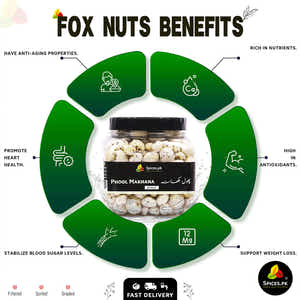
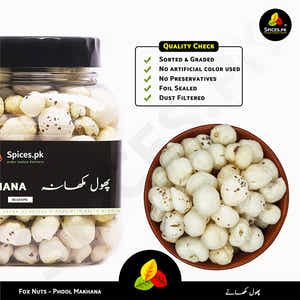
📌 Important Clarification: Sweet Makhana (میٹھے مکھانے) is a sugar confection, NOT the same as roasted fox nuts (makhana / lotus seeds). While both share the word "makhana" in name, they are entirely different products. Sweet Makhana is made from refined sugar; roasted makhana (phool makhana) is a seed snack. Please do not confuse them. Our Sweet Makhana is a traditional sweet, not a health snack.






























































































































اکثر پوچھے جانے والے سوالات


