



 Spices.pk
⚡ Accepted Payment Methods


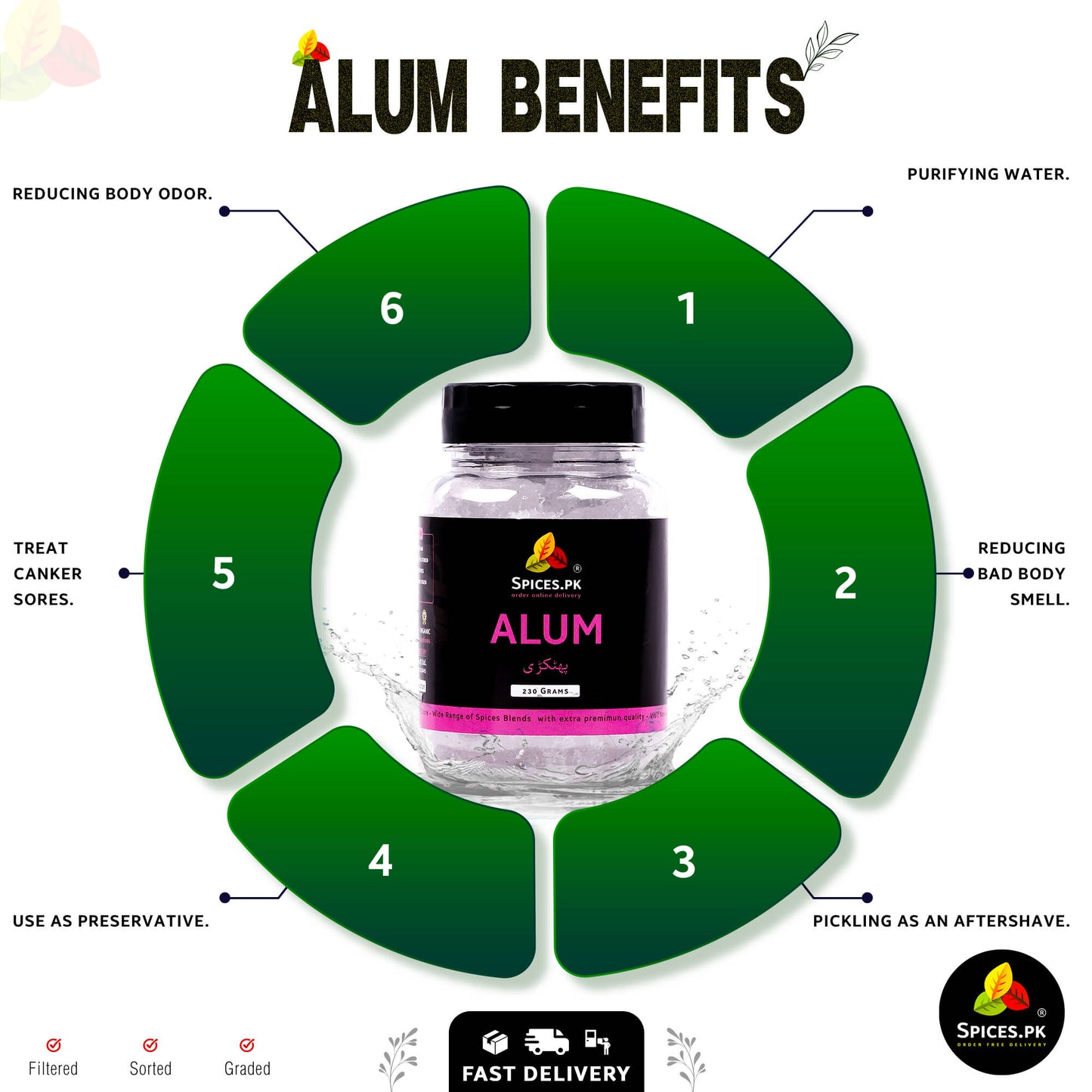
Pure Natural Alum (پھٹکڑی / Phitkari) – Natural Astringent Stone for Skin, Hair, Shaving & Water Purification
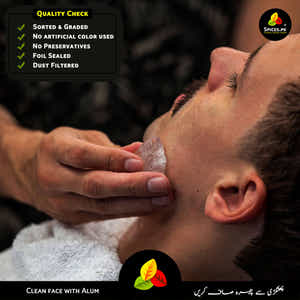
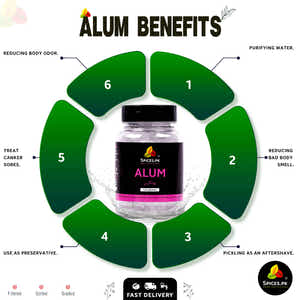
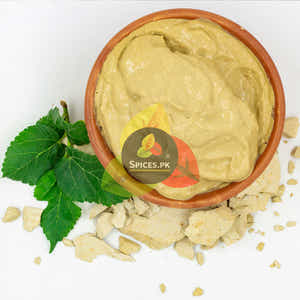
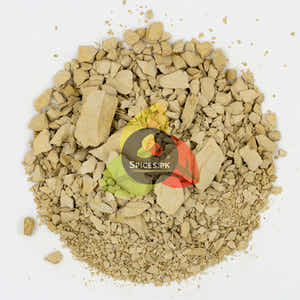
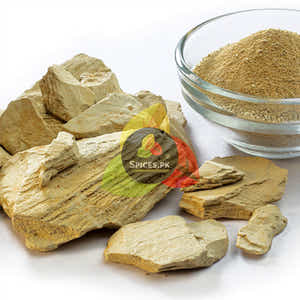
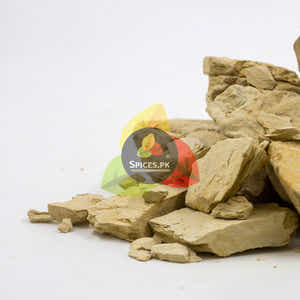
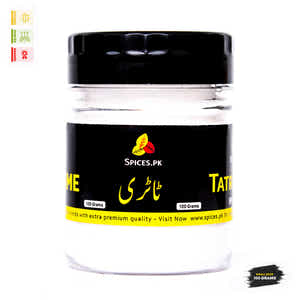
Welcome to Spices.pk, your most trusted source for 100% pure, natural, and chemical‑free household essentials. Our premium Alum – Phitkari (پھٹکڑی / Fitkari) is a naturally occurring mineral salt (potassium aluminium sulphate) – a translucent, crystalline stone with powerful astringent, antiseptic, and haemostatic (blood‑clotting) properties. Used for over 3,500 years across ancient Egypt, Greece, Rome, India, and China, this versatile stone is a staple in South Asian households. From stopping shaving nicks and acting as a natural deodorant to tightening facial pores, purifying turbid water, and soothing mouth ulcers, alum is an economical, hypoallergenic, and eco‑friendly alternative to chemical‑laden products. Packed fresh in Pakistan, our 100% pure alum stone delivers authentic purity for your health, beauty, and home.

Premium Alum (پھٹکڑی)
Why Choose Spices.pk Alum (پھٹکڑی / Phitkari)?

What is Alum (پھٹکڑی / Phitkari / Potassium Alum)?
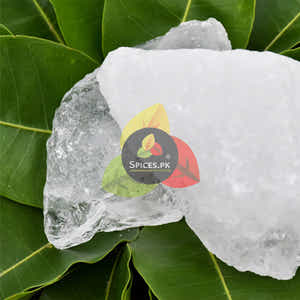
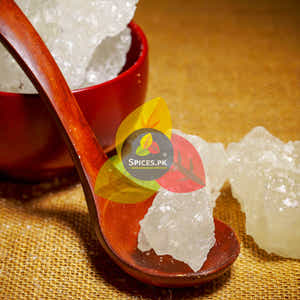
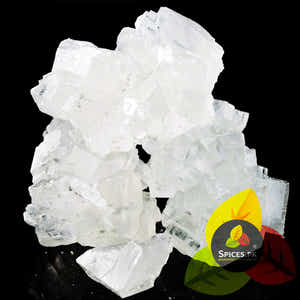
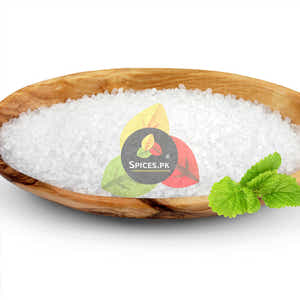
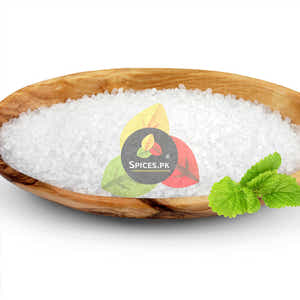
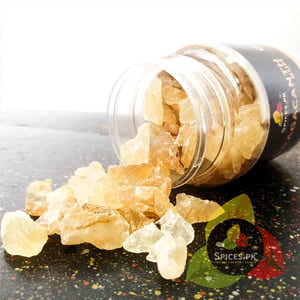
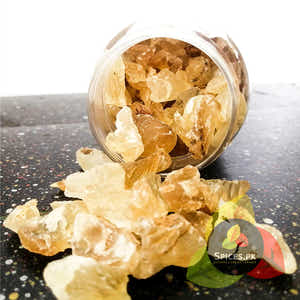
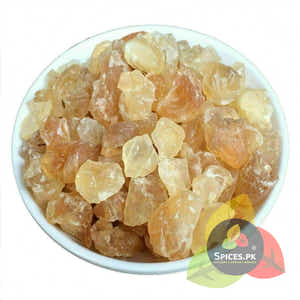
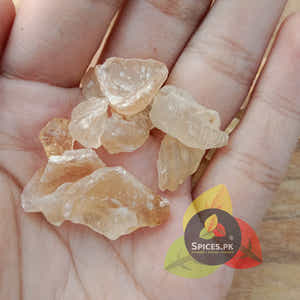
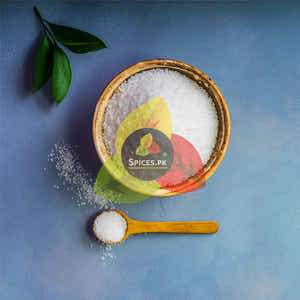
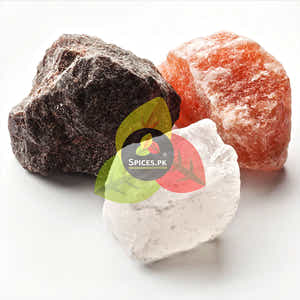
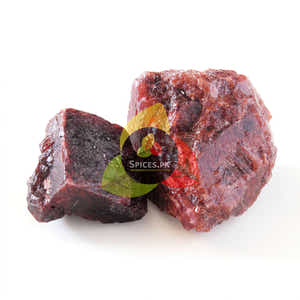
Alum, commonly known as Phitkari (پھٹکڑی) or Fitkari in Urdu, is a naturally occurring mineral salt belonging to a group of double sulphate salts. The form used most widely in cosmetics, traditional remedies, and water purification is potassium alum (potassium aluminium sulphate) with the chemical formula KAl(SO₄)₂·12H₂O. It appears as colourless or white, translucent crystalline stones that are water‑soluble and have a distinct astringent, metallic taste.
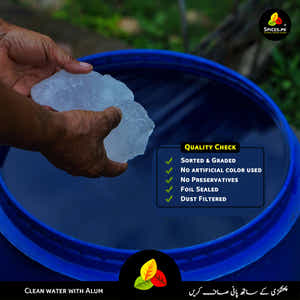
In traditional South Asian households, this simple stone has been a staple in bathrooms and kitchens for centuries, valued for its exceptional astringent, antiseptic, styptic (blood‑clotting), and coagulant properties. Unlike chemical‑based deodorants, aftershaves, or skin products, alum is hypoallergenic, odourless, leaves no residue, and does not clog pores. It is also an effective, low‑cost water purifier – used by millions in rural areas to clarify turbid water.
Whether you are looking for a natural after‑shave block, an aluminium‑free deodorant, a face toner for oily skin, a mouth ulcer remedy, or a simple way to clean muddy water, our 100% pure alum stone delivers the same time‑honoured effectiveness that civilisations have trusted for over three millennia.
A 3,500‑Year Legacy: The Ancient History of Alum
The use of alum stretches back more than 3,500 years. It was known to the Ancient Egyptians as early as 1500 BCE, who obtained it from evaporite deposits in the Western Desert, using it to reduce visible cloudiness (turbidity) in drinking water – one of the earliest documented water purification methods. The Greek historian Herodotus (5th century BCE) mentions Egyptian alum as a valuable commodity, and the Roman naturalist Pliny the Elder (1st century CE) described it under the name alumen.
In the Indian subcontinent, potassium alum is mentioned in classical Ayurvedic texts (Sushruta Samhita, Charaka Samhita) under names such as sphaṭika kṣāra and saurashtri, used for its astringent, styptic, and antiseptic properties in treating wounds, oral ulcers, and skin disorders. It is also a key ingredient in Unani Tibb and Traditional Chinese Medicine (as "Bái Fán" / 白矾) for drying dampness, stopping bleeding, and killing parasites.
During the Islamic Golden Age (8th‑14th centuries), alum was used in alchemy and medicine. In medieval Europe, alum became a critical commodity as a mordant (dye‑fixing agent) for the wool industry – the alum trade from the Ottoman Empire and Italy fuelled entire economies. From the dye‑fixing mordant that helped England develop its wool industry to the alchemical ingredient that fascinated Islamic scientists, alum has been a quietly essential tool across civilisations. Today, China is the world's largest producer of alum, followed by India, Turkey, and Italy.




























































































































Faqs


