



 Spices.pk
⚡ Accepted Payment Methods


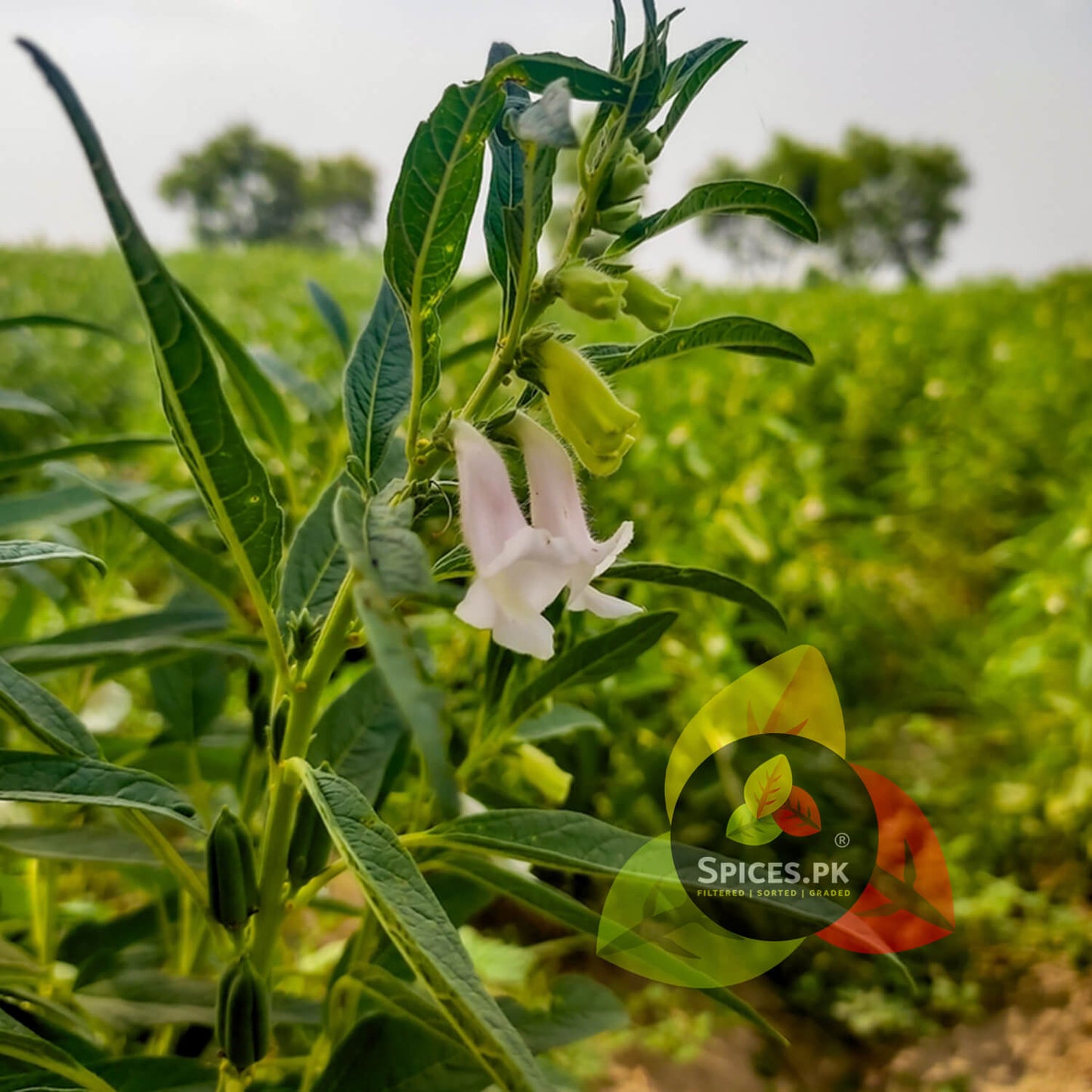
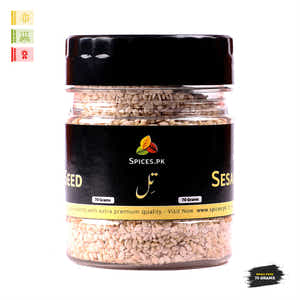
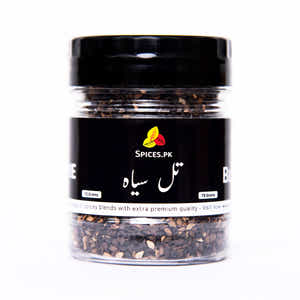
Premium Black Sesame Seeds – Kalay Till (کالے تل) – 975mg Calcium, 18g Protein per 100g, Supports Bones, Hair Growth & Heart Health
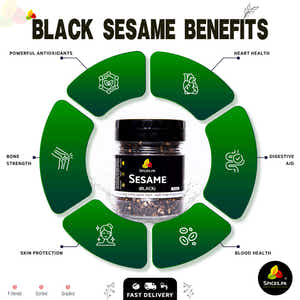
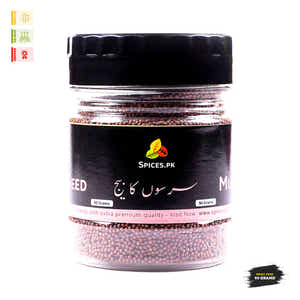
Welcome to Spices.pk, your most trusted source for 100% natural, chemical‑free superfoods. Our premium Black Sesame Seeds – Kalay Till (کالے تل / Kala Til) are small, dark seeds with an intact outer hull, delivering a bold, nutty, and slightly earthy flavour. Unlike white sesame seeds, the black variety is typically sold unhulled, preserving their outer layer which is rich in concentrated nutrients and beneficial plant compounds. These seeds have been a cherished part of Pakistani households for generations, often added to naans, mixed into winter laddoos, or simply enjoyed as a crunchy snack. A 100g serving of our black sesame seeds provides a staggering 975mg of calcium – almost an adult’s entire daily requirement – along with 18g of high-quality plant protein, 14.6mg of iron, and 351mg of magnesium. Their rich content of antioxidants, healthy fats, and lignans (such as sesamin and sesamolin) helps support bone strength, promote hair health, protect the liver and kidneys, and regulate blood sugar levels. Whether you are looking to add a nutritious crunch to your salads, grind them into a smooth tahini paste, or prepare a traditional halwa, our black sesame seeds are the perfect addition to your healthy pantry. Sourced with care and packed fresh in Pakistan, they are ready to bring their incredible nutritional benefits to your daily routine.

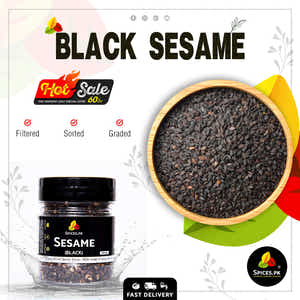
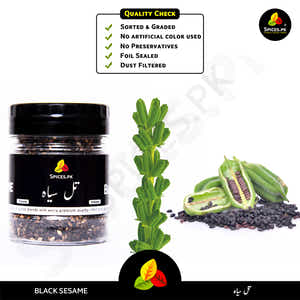
Black Sesame (کالے تل )
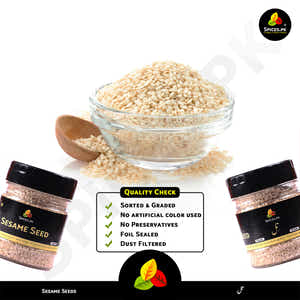
Why Choose Spices.pk Black Sesame Seeds (Kalay Till)?

What Are Black Sesame Seeds (Kalay Till / کالے تل)?
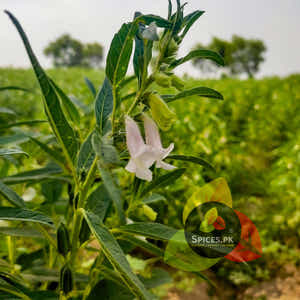
Black sesame seeds, known in Urdu as Kalay Till or Kala Til (کالے تل), are the small, flat, oil-rich seeds of the Sesamum indicum plant, a member of the Pedaliaceae family. Unlike the more common white sesame seeds, which have their outer hull removed, black sesame seeds are sold in their natural, unhulled state. This outer hull not only gives them their striking, deep black colour but also concentrates a significant portion of their beneficial nutrients, such as calcium, magnesium, and powerful plant compounds called lignans. They are one of the world’s oldest cultivated oilseed crops, grown for thousands of years and cherished in cuisines and healing traditions across Asia, Africa, and the Middle East.
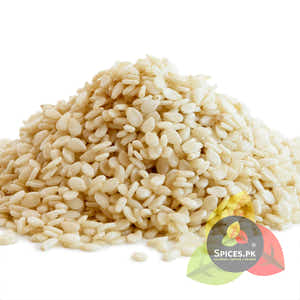
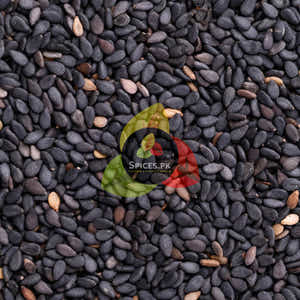
Visually, these seeds are tiny, teardrop‑shaped, and have a subtle sheen. When eaten raw, they have a mild, slightly nutty flavour. When roasted, they become intensely aromatic, with a deep, earthy taste that is much more robust and smoky than their white counterpart. Black sesame seeds are also the source of high-quality, cold-pressed sesame oil, which is often used as a flavour base in many Asian stir-fries and sauces.
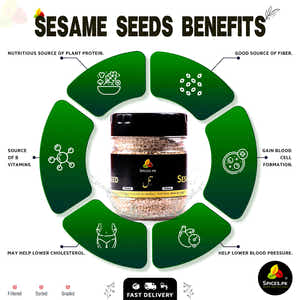
Nutritionally, black sesame seeds are a true superfood. A single 100g serving provides approximately 573 calories, 18g of plant protein, 49.7g of heart‑healthy fats (primarily polyunsaturated and monounsaturated), and 23.5g of carbohydrates. They are also an excellent source of dietary fibre. Their true claim to fame, however, is their unmatched mineral density. They are packed with 975mg of calcium – which almost meets an adult’s entire daily requirement – along with 14.6mg of iron, 351mg of magnesium, and significant amounts of copper, zinc, phosphorus, and selenium. They are also rich in vitamins B1 (thiamin), B6, and E. This exceptional nutritional profile makes them a valuable food for supporting bone health, strengthening hair, and promoting overall vitality.
A 5,000-Year Journey: The History of Black Sesame Seeds
The history of the black sesame seed is intertwined with the history of trade and agriculture itself. The plant is believed to have originated in Africa, from where it spread to the Indian subcontinent and Asia via ancient trade routes. Sesame is one of the oldest oilseed crops known to humanity, with a history of cultivation spanning over 5,000 years. The first written records of sesame’s use come from the Ebers Papyrus, an ancient Egyptian medical text dating back to 3,000 BCE, which described the seeds as a form of medicine. During the prosperous Indus Valley Civilisation (3,300 – 1,300 BCE), sesame seeds were a staple crop, valued for their oil and used in cooking, lamps, and even cosmetics. From the subcontinent, the crop spread to China, Japan, and other parts of East Asia, where black sesame seeds became particularly revered. In traditional Chinese medicine, black sesame was prized as a tonic for the liver and kidneys, and was said to nourish the blood, darken and strengthen hair, and promote longevity. In Japan, black sesame has been cultivated for centuries and is used to make many traditional sweets and condiments.
The plant’s resilience played a crucial role in its global spread. Sesame’s seed pods are unique; they burst open when fully ripe, which is the origin of the famous phrase “open sesame” from the story of Ali Baba and the Forty Thieves. This trait, while fascinating, made harvesting a challenge for early farmers, who had to collect the pods before they could split open. Today, this challenge has been largely overcome by the development of non‑shattering varieties. From the banks of the Nile to the farms of Punjab, sesame seeds have adapted to a wide range of climates and are now grown on every continent except Antarctica.























































































































































































































Faqs


