



 Spices.pk
⚡ Accepted Payment Methods


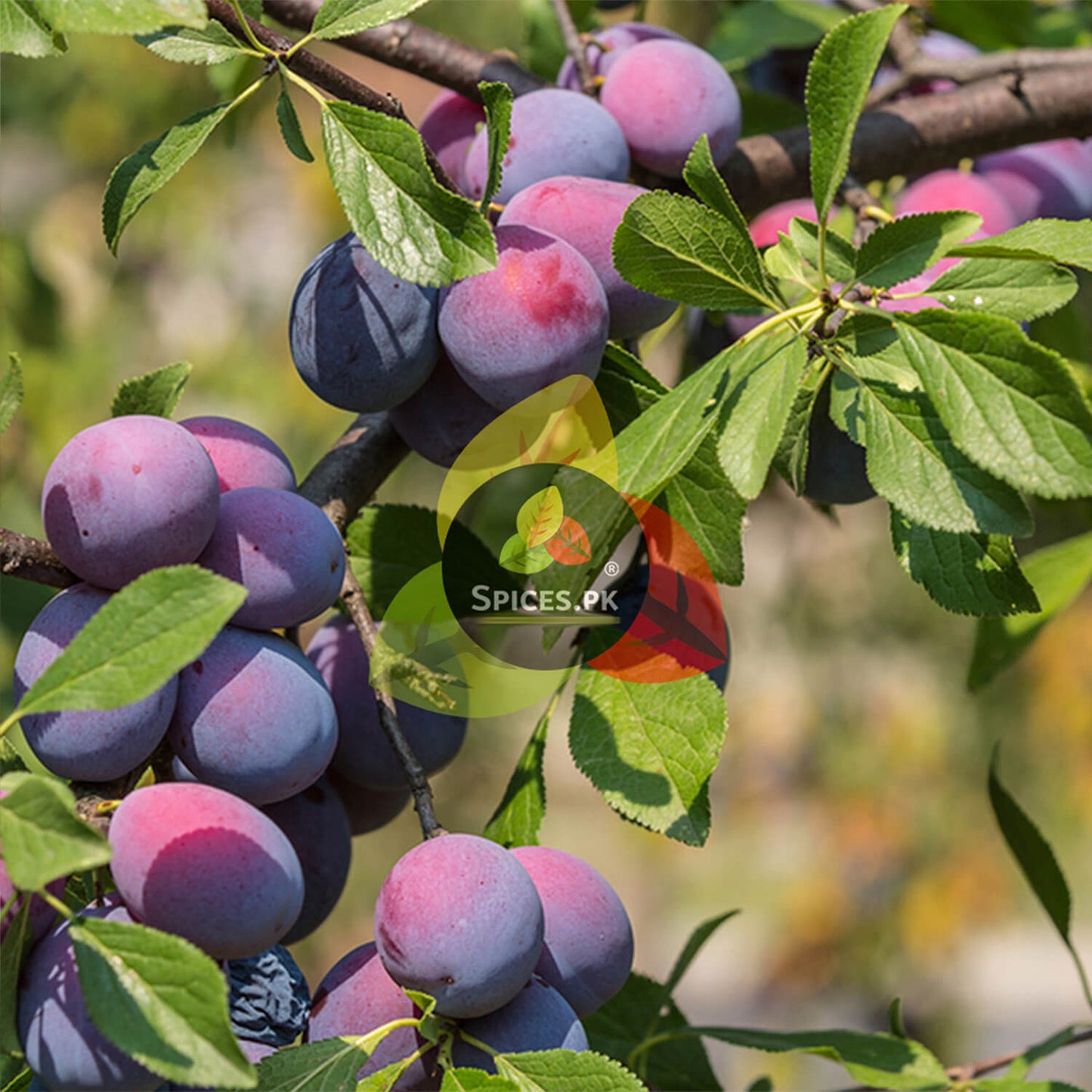
Premium Dried Plum – Aloo Bukhara (آلو بخارہ) – Natural Laxative for Constipation Relief, Iron-Rich for Anaemia & Bone Health Superfood
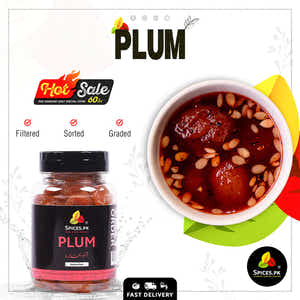
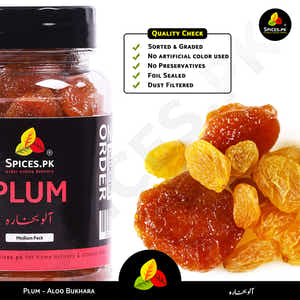
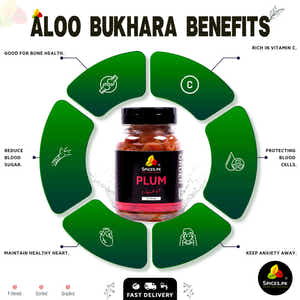
Welcome to Spices.pk, your most trusted source for 100% natural, chemical‑free spices and superfoods. Our premium Dried Aloo Bukhara (خشک آلو بخارہ / Prunes) are sun‑dried plums with a perfectly balanced sweet‑tangy taste and a soft, chewy texture. Unlike fresh plums which are seasonal, our dried Aloo Bukhara are available all year round, packed with concentrated nutrition and fibre. They are the famous natural laxative – rich in dietary fibre (7.1g per 100g) and naturally occurring sorbitol that gently relieves constipation by drawing water into the intestines and bulking up stool. Dried plums are also an incredible source of iron (0.93mg per 100g) for fighting anaemia, vitamin K (59.5mcg) for bone health and osteoporosis prevention, potassium (732mg) for healthy blood pressure, plus powerful antioxidants that support heart health and glowing skin. Whether you suffer from chronic constipation, low energy from iron deficiency, want to build stronger bones, or simply need a wholesome sweet snack, Aloo Bukhara is the perfect addition to your daily routine. Enjoy them as a snack on their own, soak them overnight for a gentle morning cleanse, or use them in Pakistani chutneys, qormas, and sharbat. Bring home the goodness of naturally dried plums – authentic, halal, and packed fresh in Pakistan – only at Spices.pk.

Aloo Bukhara (آلو بخارہ)
Why Choose Spices.pk Dried Aloo Bukhara (خشک آلو بخارہ)?

What Are Dried Plums (Aloo Bukhara / خشک آلو بخارہ)?
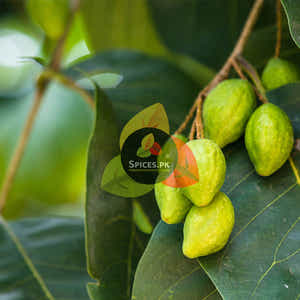
Dried Aloo Bukhara, also known as prunes or dried plums, are the dehydrated form of the plum fruit (Prunus domestica). The name “Aloo Bukhara” comes from Persian origins: “Aloo” means plum, and “Bukhara” refers to the ancient city of Bukhara in Central Asia, where this fruit was historically grown and traded along the Great Silk Road[reference:0]. In Pakistan, the term “Aloo Bukhara” is commonly used for both fresh and dried plums, but it most often refers to the dried version, which is a pantry staple in almost every Pakistani household[reference:1]. The drying process (traditionally sun‑drying at 38‑45°C) removes most of the water content, leaving behind a wrinkled, dark fruit with a concentrated sweet‑tangy taste and a soft, chewy texture[reference:2]. This concentration also intensifies the nutritional value – while fresh plums contain only about 46 kcal and 1.4g of fibre per 100g, dried Aloo Bukhara packs 240 kcal and a powerful 7.1g of fibre per 100g[reference:3]. Each piece is a nutrient‑dense powerhouse of dietary fibre, iron, potassium, vitamin K, magnesium, boron, and polyphenol antioxidants. Because drying preserves the fruit naturally, no artificial preservatives or additives are needed – just 100% pure plum, sun‑dried to perfection. In Pakistan, dried Aloo Bukhara is cherished both as a healthy everyday snack and as a key ingredient in chutneys, qormas, biryani, and traditional summer drinks, while its remarkable medicinal properties have been recognised in Unani and Ayurvedic medicine for centuries[reference:4].
A 2,000‑Year Journey: The Ancient History of Aloo Bukhara
The story of Aloo Bukhara begins over 2,000 years ago, when the plum – believed to have originated in the area around the Caspian Sea – spread across Central Asia and into South Asia via the legendary Silk Road trade routes[reference:5]. The city of Bukhara (in modern‑day Uzbekistan) was a major trading hub where these plums were dried and exported across the region. The name “Aloo Bukhara” literally means “plum from Bukhara”, a testament to the city’s pivotal role in the fruit’s history[reference:6]. Historical records suggest that dried plums were imported to India during the reign of Sultan Muhammad bin Tughlaq (1325‑1350 AD), who distributed them among his favourites. The 14th‑century Moroccan traveller Ibn Battuta also mentioned dried plums from the region around Bukhara being transported to India. In Afghanistan’s Ghazni Province, the indigenous peoples have been producing dried plums (called Aaloo Bukhara) for generations using traditional sun‑drying methods, and it was once exclusively produced for export to Bukhara. Today, Pakistan, India, Iran, Turkey, China, and the USA are the world’s largest producers and exporters of dried plums, with Pakistan being a significant source of high‑quality Aloo Bukhara for domestic consumption and export. For centuries, this humble dried fruit has been valued not only for its long shelf life and delightful taste but also for its remarkable ability to relieve constipation, build blood, and strengthen bones – a wisdom that modern science is only now beginning to confirm.
























































































































































































































































































































Faqs


