



 Spices.pk
⚡ Accepted Payment Methods


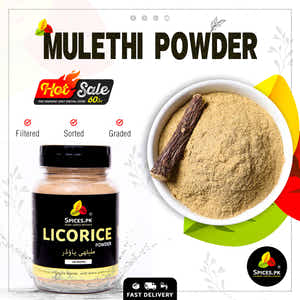
Premium Licorice Powder – Mulethi (ملیٹھی پاؤڈر) – 11g Protein per 100g | Natural Remedy for Sore Throat, Acne, Hyperpigmentation & Digestive Health
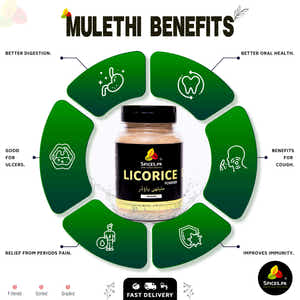
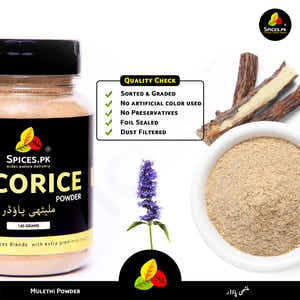
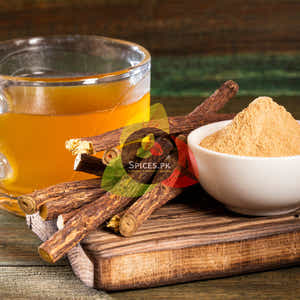
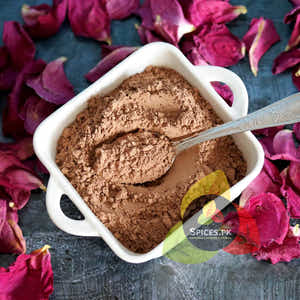
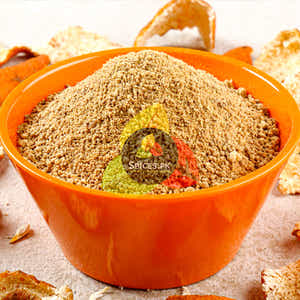
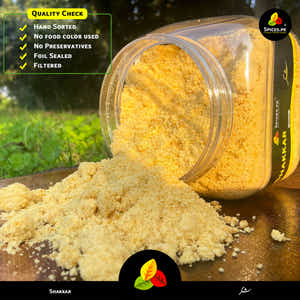
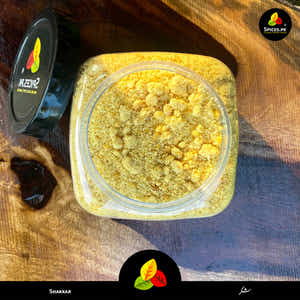
Welcome to Spices.pk, your most trusted source for 100% natural, chemical‑free herbs and superfoods. Our premium Licorice Powder – Mulethi (ملیٹھی پاؤڈر / Yashtimadhu) is a finely ground powder made from the dried roots of the Glycyrrhiza glabra plant, a sweet‑tasting perennial shrub native to Western Asia and Southern Europe. Known in Ayurveda as “Yashtimadhu” – one of the most revered rejuvenating herbs – Mulethi has been used for over 5,000 years to strengthen the immune system, heal the gut, soothe the respiratory tract, and brighten the skin. A 100g serving of our pure Mulethi powder provides 312 kcal, 11g of plant protein, and over 300 bioactive compounds, including the powerful antioxidant glabridin and the anti‑inflammatory glycyrrhizin. It helps relieve sore throats, coughs, and asthma; heals peptic ulcers and GERD; treats acne, hyperpigmentation, and eczema; and promotes strong, shiny hair. Whether you brew it into a soothing tea, mix it with honey for a throat coating, add it to your face mask for a radiant glow, or incorporate it into your hair routine to combat dandruff and hair fall, our Mulethi powder brings the timeless healing wisdom of Ayurveda and Unani medicine directly to your home. 100% pure, unadulterated, and halal, our Mulethi is sun‑dried, finely ground, and freshly packed in Pakistan.

Licorice Powder (ملیٹھی پاؤڈر)
Why Choose Spices.pk Licorice Powder (Mulethi)?

What Is Mulethi (ملیٹھی پاؤڈر / Licorice Powder)?
Mulethi, known in English as Licorice Powder, is a finely ground powder made from the dried roots of Glycyrrhiza glabra, a sweet‑tasting perennial shrub that belongs to the Fabaceae (legume) family. The name “Licorice” is derived from the Old French “licoresse”, which itself comes from the Greek “glycyrrhiza” (γλυκύρριζα), meaning “sweet root” – a reference to the intense sweetness of the root, which is 30–50 times sweeter than sugar due to the compound glycyrrhizin. The plant is native to Western Asia, North Africa, the Mediterranean region, and Southern Europe, and it has been naturalised in many parts of the world, including the sub‑Himalayan tracts of India and Pakistan.
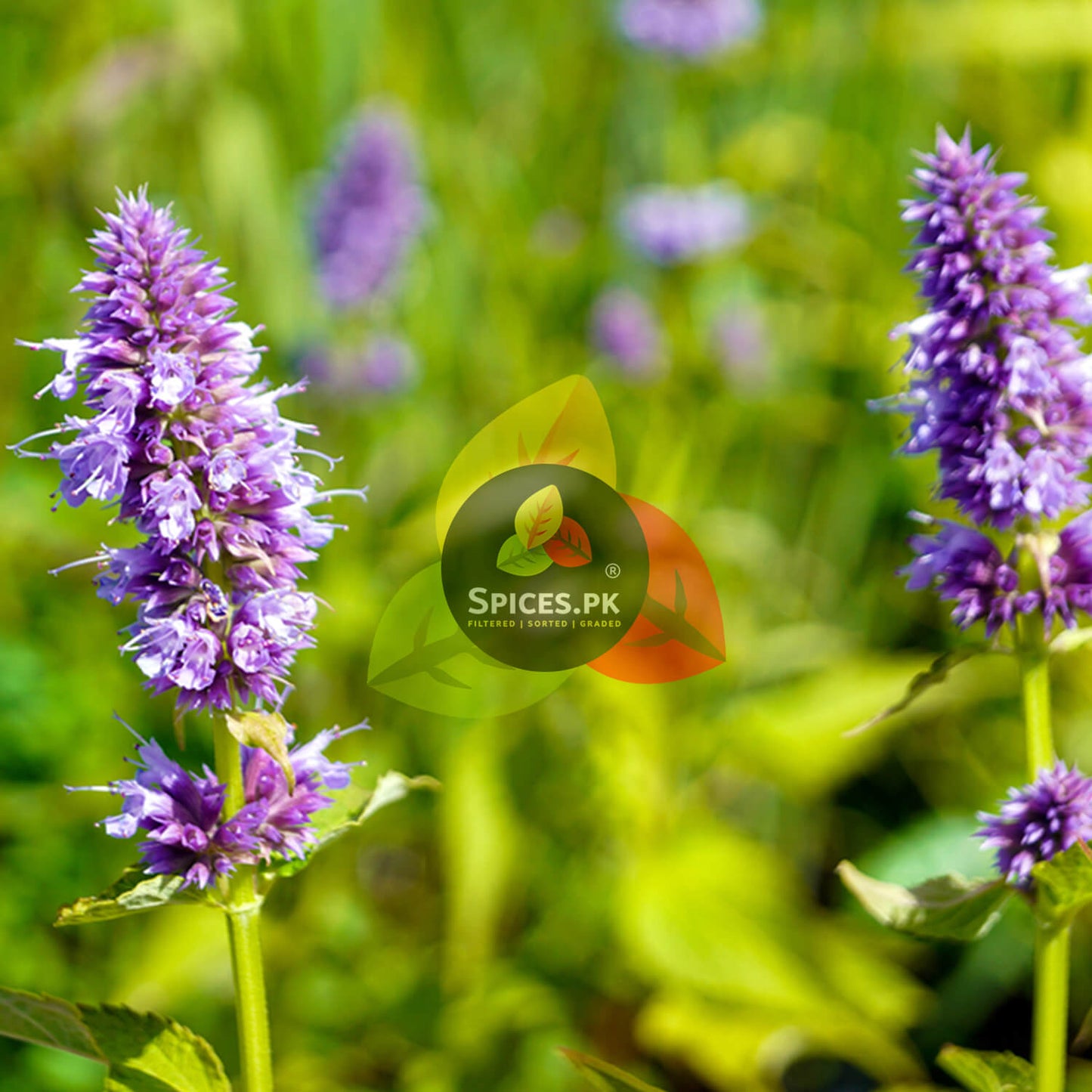
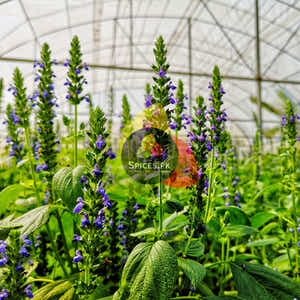
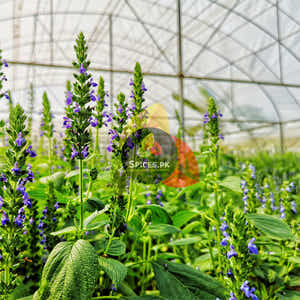
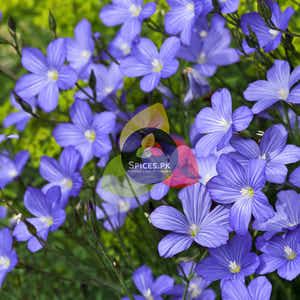
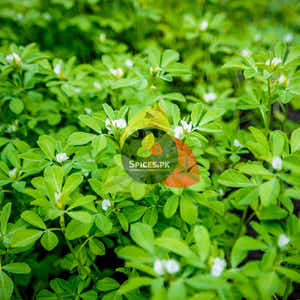
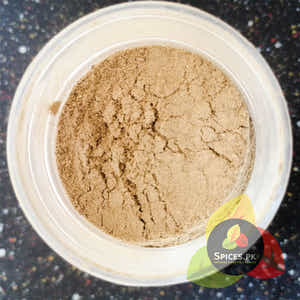
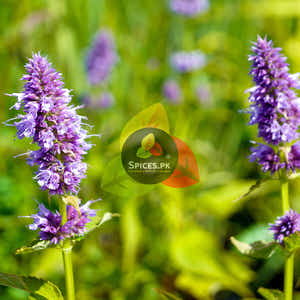
The plant is a herbaceous perennial, reaching a height of about 1 metre, with pinnate leaves and purple to pale whitish‑blue flowers. The part of the plant used medicinally is the root and stolon, which are harvested in the autumn, two to three years after planting. The roots contain a complex mixture of over 300 bioactive compounds, including triterpenes (like glycyrrhizin), flavonoids (like glabridin, licochalcone, and liquiritin), coumarins, polysaccharides, and volatile oils. The powder has a characteristic sweet taste, with a slightly earthy, aromatic flavour. Our Mulethi powder is 100% pure, made from the dried roots without any additives, preservatives, or fillers. It is free from gluten, non‑GMO, and vegan.
Nutritionally, 100g of licorice powder provides approximately 312 calories, 11g of protein, 62g of carbohydrates (of which only 3g is sugar), 0.5g of fat, and 0.5mg of sodium. It is a rich source of iron, calcium, and magnesium, and contains significant amounts of B‑vitamins. However, it is the high concentration of bioactive phytochemicals that gives Mulethi its remarkable therapeutic properties. The powder is versatile and can be used in many ways – taken orally as a tea or mixed with honey, applied topically as a face mask or hair pack, or added to cooking as a natural sweetener and flavour enhancer. Whether you are treating a sore throat, healing a stomach ulcer, brightening your skin, or strengthening your hair, Mulethi is one of the most powerful and time‑tested herbs available.
A 5,000‑Year Legacy: The History of Mulethi
The history of Mulethi is a story that spans over 5,000 years and three continents. The earliest written records of licorice root use come from the ancient civilisations of Assyria, Egypt, China, and India. Licorice was found in the tomb of the Egyptian pharaoh Tutankhamun (c. 1,323 BCE), where it was placed alongside other precious herbs and spices to accompany him into the afterlife. The Assyrian tablets from around the same period mention the use of licorice for medicinal purposes.
In India, Mulethi (known in Sanskrit as Yashtimadhu, meaning “sweet root”) has been a cornerstone of Ayurvedic medicine for over 5,000 years. It is classified as a “Rasayana” – a herb that promotes longevity, rejuvenation, and overall vitality. The Charaka Samhita and the Sushruta Samhita, the foundational texts of Ayurveda, describe licorice as having a sweet taste (Rasa), heavy and unctuous properties (Guna), a cooling potency (Veerya), and a sweet post‑digestive effect (Vipaka). It is said to pacify both Vata and Pitta doshas, making it one of the most versatile herbs in the Ayurvedic pharmacopoeia. In Unani medicine, which flourished in South Asia during the Mughal era, licorice was used as a demulcent, expectorant, and laxative. It was a common ingredient in “Jawarish” (digestive electuaries) and “Laooq” (soothing throat lozenges).
The use of licorice spread to Europe through the ancient Silk Road and became a staple of traditional European herbalism. In medieval Europe, it was used to treat coughs, colds, and stomach ailments. Today, licorice is cultivated in many countries, with major producers including Iran, Afghanistan, China, Pakistan, Iraq, Azerbaijan, Uzbekistan, Turkmenistan, and Turkey. India, a major importer of licorice, imports over 8,000 tonnes annually from Afghanistan, China, and Nepal. In Pakistan, Mulethi is a common household remedy, kept in every kitchen. A small piece of the root is chewed for a sore throat, or the powder is added to tea for a natural sweetener and to ease breathing. From the tombs of the pharaohs to the kitchens of Lahore, Mulethi has truly stood the test of time.






























































































































Faqs


