



 Spices.pk
⚡ Accepted Payment Methods


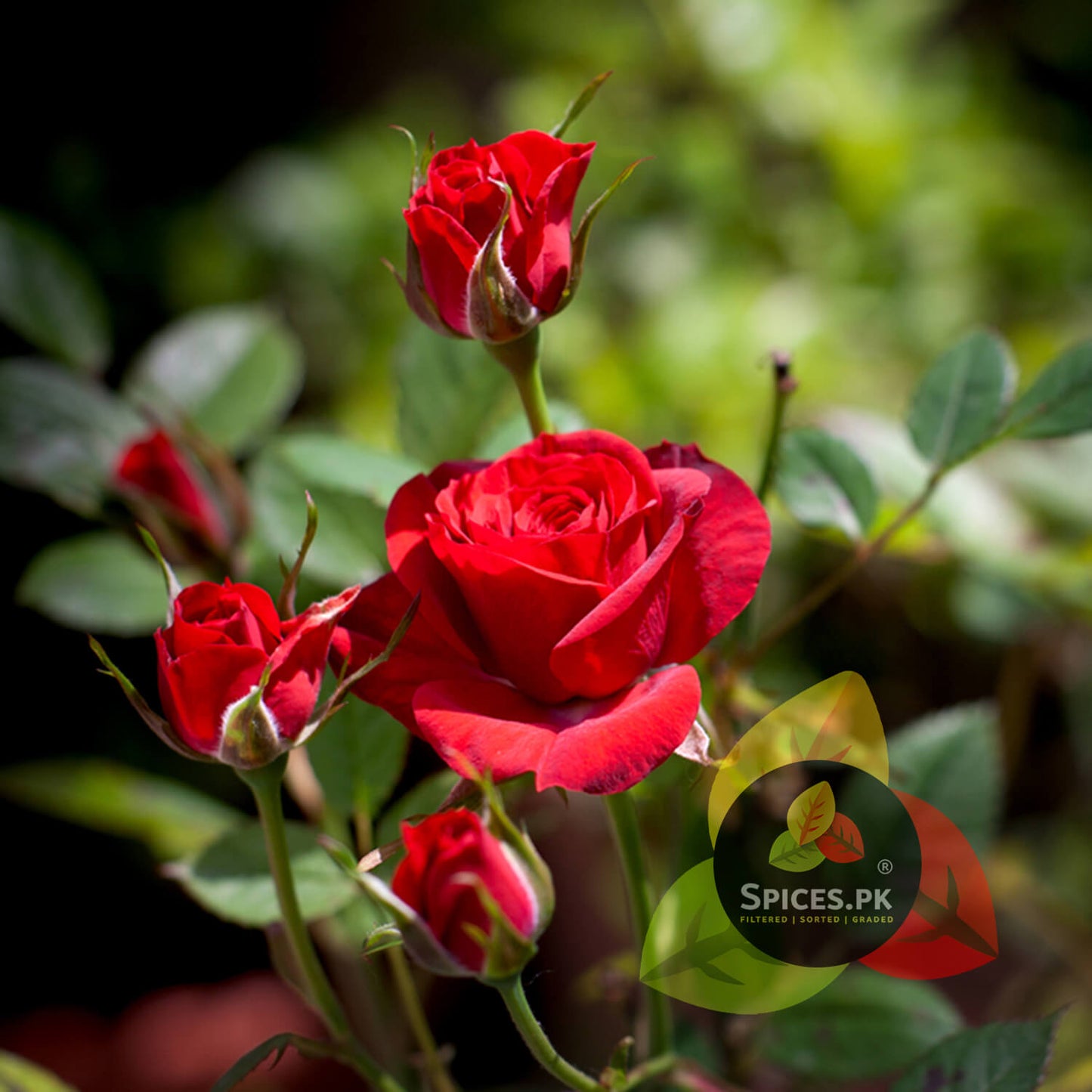
Premium Rose Petals Powder – Gulab Powder (گلاب پاؤڈر) – Rich in Vitamin C & Antioxidants | Natural Skin Brightening, Anti-Acne & Anti-Ageing Face Mask
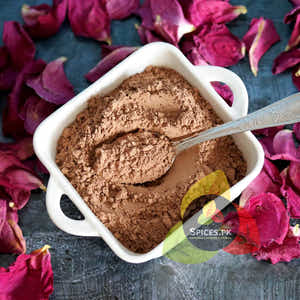
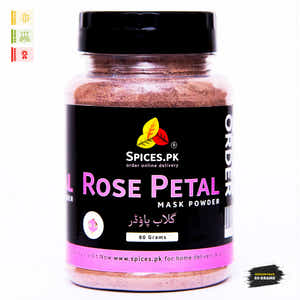
Welcome to Spices.pk, your most trusted source for 100% natural, chemical‑free beauty and wellness essentials. Our premium Rose Petals Powder – Gulab Powder (گلاب پاؤڈر / Gulab Patti Powder) is made from sun‑dried, hand‑picked rose petals, finely ground to preserve their natural aroma, colour, and potent compounds. Roses have been cherished for over 5,000 years not only for their beauty and fragrance but also for their remarkable healing properties[reference:0]. Rich in vitamin C, vitamin A, iron, calcium, and powerful antioxidants, our Gulab Powder acts as a natural skin toner, brightener, and hydrator. It gently exfoliates dead skin cells, tightens pores, reduces pigmentation, fades dark spots, and fights acne‑causing bacteria. The natural anti‑inflammatory properties soothe irritated skin, calm redness, and promote a clear, even‑toned complexion. 100% pure, unadulterated, and halal, our rose petals powder is sun‑dried and freshly packed in Pakistan, bringing the timeless beauty secret of ancient queens directly to your home. Mix it with rose water, yoghurt, honey, or Multani Mitti to create your own luxurious face masks, scrubs, and hair treatments.(NOT for Eating)

Rose Petals Powder (Skin)
Why Choose Spices.pk Rose Petals Powder (Gulab Powder)?

What Is Rose Petals Powder (گلاب پاؤڈر)?
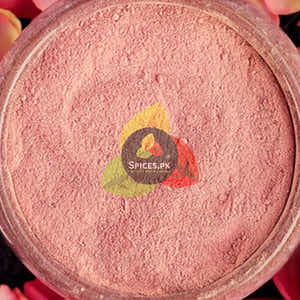
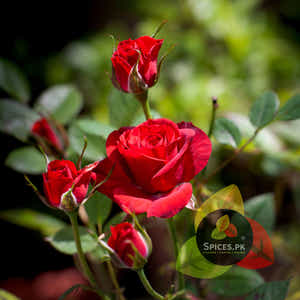
Rose Petals Powder, known in Urdu as Gulab Powder (گلاب پاؤڈر) or Gulab Patti Powder, is a finely ground powder made from the sun‑dried petals of fragrant roses, typically from the Rosa damascena (Damask rose) or Rosa centifolia varieties. The name “Gulab” is derived from Persian, where “gul” means flower and “ab” means water – a reference to the fragrant rose water that has been produced for centuries. The powder is created by carefully drying fresh rose petals in the sun or using low‑heat methods to preserve their natural colour, aroma, and bioactive compounds. Once dried, the petals are ground into a fine, silky powder that retains the essence of the fresh flower.
Rose petals powder is exceptionally rich in nutrients and phytonutrients. Dried rose petals contain high levels of vitamin C, vitamin A, vitamin E, iron, and calcium, along with a variety of powerful antioxidants, including polyphenols, flavonoids, and anthocyanins[reference:3][reference:4]. One 100g serving of dried rose petals provides 136mg of calcium, 3.7mg of iron, and vitamin C[reference:5]. The essential oils present in rose petals contain volatile compounds such as citronellol, geraniol, and nerol, which contribute to the soothing, mood‑elevating aroma and the skin‑calming effects of the powder. The natural tannic acid in rose petals acts as a mild astringent, helping to tighten pores and control excess oil.[reference:6]
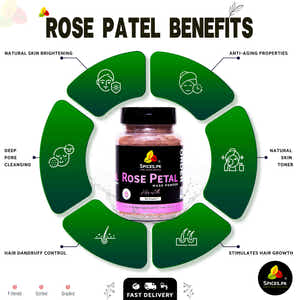
The benefits of rose petals powder for skin are well documented. The high concentration of vitamin C is essential for collagen synthesis, helping to maintain skin elasticity and reduce the appearance of fine lines and wrinkles. The antioxidants neutralise free radicals, protecting the skin from environmental damage and premature ageing[reference:7]. The anti‑inflammatory properties help calm irritated skin, reduce redness, and soothe conditions like eczema and rosacea[reference:8]. The powder also possesses natural anti‑bacterial properties that help fight acne‑causing bacteria, unclog pores, and prevent future breakouts[reference:9]. In addition to skincare, rose petals powder is also valued for its ability to strengthen hair follicles, balance scalp pH, reduce dandruff, and promote healthy, shiny hair[reference:10].
A 5,000‑Year Legacy: The History of Rose Petals Powder
The history of the rose is as old as civilisation itself. Roses have been used for their appearance, scent, and therapeutic properties for over 5,000 years[reference:11]. Archaeological evidence suggests that roses were cultivated in the gardens of the ancient civilisations of Mesopotamia, Egypt, China, and the Indus Valley. The rose was sacred to the goddess Isis in Egyptian mythology, and Cleopatra famously used rose petals to seduce Mark Antony. In ancient Greece and Rome, roses were associated with the goddess of love, Aphrodite (Venus), and were used in perfumes, medicines, and as confetti at celebrations.
Rose cultivation and the use of rose products in the Indian subcontinent date back at least 2,000 years. The Charaka Samhita, one of the foundational texts of Ayurveda compiled around 100 AD, mentions the distillation of roses and their use as a medicinal agent[reference:12]. In Ayurveda, roses are considered to have cooling, astringent, and tridosha‑balancing properties, meaning they help harmonise the body's three doshas: Vata, Pitta, and Kapha. The petals were dried, powdered, and used in face packs, lotions, and hair treatments. Rose water was used as a cooling eye wash, and the sweet preserve Gulkand (made from rose petals and sugar) was valued as a remedy for heat‑related disorders[reference:13].
In the Unani system of medicine, which flourished during the Mughal Empire, roses were considered a powerful cooling tonic. The petals, powder, and rose water were used to treat a wide range of conditions, including digestive disorders, inflammation, bleeding gums, and skin diseases[reference:14]. The Unani physicians prescribed rose preparations as a “mufarreh” (exhilarant) to strengthen the heart and mind, as a “qabiz” (astringent) for diarrhoea, and as a “musakkin” (sedative) for anxiety[reference:15]. Roses were also a cornerstone of Mughal beauty rituals. The queens and noblewomen of the Mughal court used rose petals in their daily beauty regimens, including the traditional “ubtan” (herbal face pack) that brides apply before their wedding. The tradition of using rose petals for beauty and healing was passed down through generations and remains an essential part of South Asian culture today.
In modern Pakistan, the tradition of drying rose petals and grinding them into a fine powder is still practiced in many households. The powder is added to homemade face packs, mixed into yoghurt for a cooling mask, or stirred into hair oils to promote a healthy scalp. The global rose industry is a multi‑billion dollar market, with major producers including India, Bulgaria, Turkey, Iran, and China. The world‑famous Rose Valley in Bulgaria is the leading producer of Rosa damascena for the perfume and cosmetic industries[reference:16]. In Pakistan, rose petals are sun‑dried and exported to global markets, particularly to China, for use in teas, cosmetics, and traditional medicines[reference:17]. From the gardens of ancient Persia to the bathrooms of the 21st century, rose petals powder has truly stood the test of time.




































































































































Faqs


