



 Spices.pk
⚡ Accepted Payment Methods


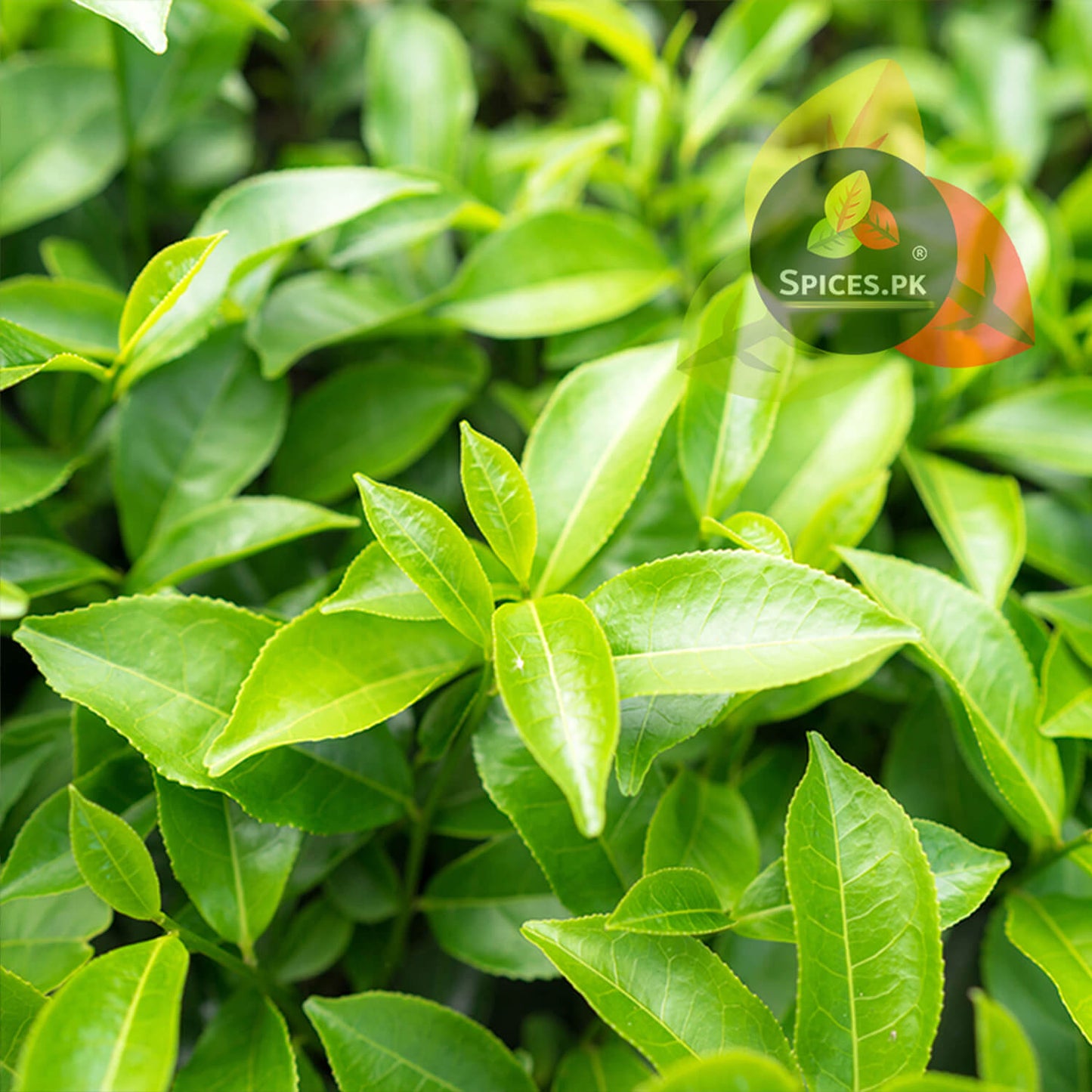
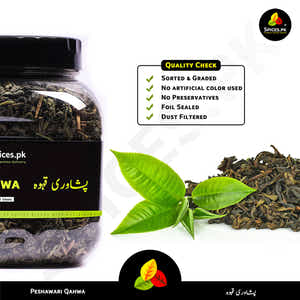
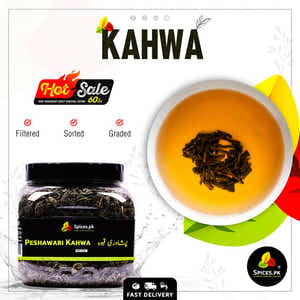
Authentic Peshawari Kahwa – Green Tea (پشاوری قہوہ) – Traditional Spiced Tea for Digestion, Stress Relief, Metabolism & Weight Loss
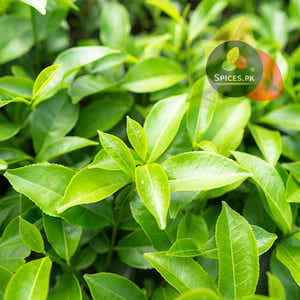
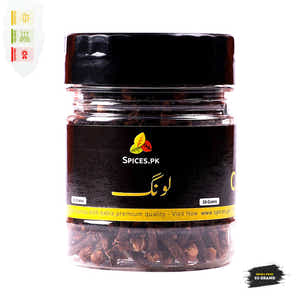
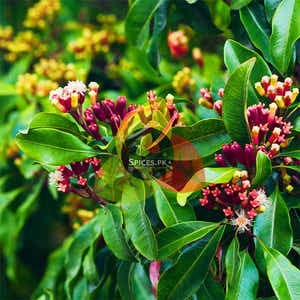
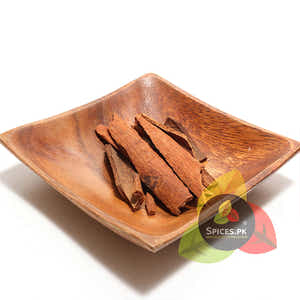
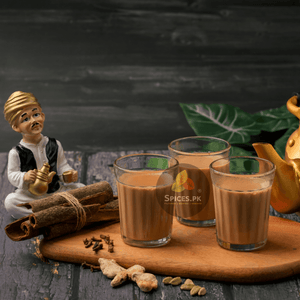
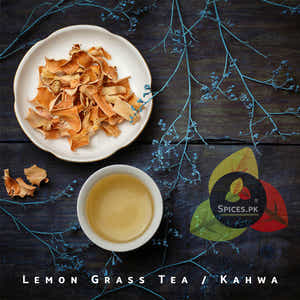
Welcome to Spices.pk, your most trusted source for 100% authentic, chemical‑free spices and superfoods. Our premium Peshawari Kahwa (پشاوری قہوہ / Qehwa) is the legendary green tea of the historic Qissa Khwani Bazaar in Peshawar – the ancient marketplace where storytellers, merchants and caravans have gathered for centuries. This aromatic brew combines premium green tea leaves (Camellia sinensis) with an exquisite blend of spices: cardamom, cinnamon, cloves, saffron, and optionally jasmine flowers. Unlike regular green tea, Peshawari Kahwa delivers a warm, earthy, slightly sweet flavour with a complex spice aroma that relaxes the mind and invigorates the senses. Rich in antioxidants (catechins, polyphenols), this traditional tea aids digestion after heavy meals, boosts metabolism to support weight management, relieves stress and anxiety, strengthens the immune system, and helps maintain healthy skin. Whether you're looking to replace sugary drinks with a natural, caffeine‑light beverage, or you want to experience the authentic hospitality of Pashtun culture, Peshawari Kahwa is the perfect choice. Serve it hot in the traditional glass cups, sweetened with honey and garnished with crushed almonds – a true taste of Pakistan's northern heritage.

Peshawari Kahwa
Why Choose Spices.pk Peshawari Kahwa (پشاوری قہوہ)?

What Is Peshawari Kahwa (پشاوری قہوہ)?
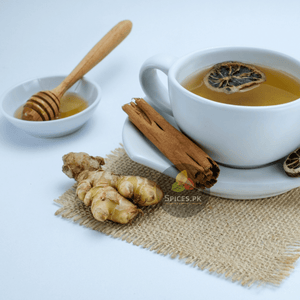
Peshawari Kahwa, also spelled Qehwa or Kehwa, is a traditional spiced green tea preparation originating from the Peshawar region of Khyber Pakhtunkhwa, Pakistan, and the wider Kashmir Valley. The name "Kahwa" is believed to derive from the Kashmiri word for "sweetened tea", though some trace its roots to the Turkish "kahve" (coffee) and ultimately the Arabic "qahwah" (wine or coffee). This aromatic beverage is made by boiling premium green tea leaves (Camellia sinensis) with an array of locally sourced spices: green cardamom, cinnamon sticks, cloves, star anise, and sometimes ginger. A few precious strands of saffron are added for a golden hue, subtle floral notes and immune‑boosting properties. The traditional recipe also includes crushed almonds or walnuts for richness, and is sweetened with honey or sugar. Some Peshawari varieties incorporate jasmine tea leaves for an extra floral dimension. Unlike the more robust Kashmiri version, Peshawari Kahwa is known for its lighter, more delicate green tea base, complemented by a harmonious balance of warm spices. It is traditionally served in small glass cups (khayal) at chaikhanas (tea houses) throughout Peshawar, especially in the famous Qissa Khwani Bazaar – the legendary "Storytellers' Market" where merchants from across Central Asia once gathered to share news, conduct trade and drink this aromatic tea. Today, Peshawari Kahwa is consumed throughout Pakistan as a digestive after heavy meals, a stress reliever in the evening, a metabolism booster for weight management, and a symbol of Pashtun hospitality offered to every guest who enters a home.
A 2,000‑Year Legacy: The Ancient History of Peshawari Kahwa
The story of Peshawari Kahwa is intertwined with the legendary history of Peshawar itself – one of the oldest living cities in South Asia, with archaeological evidence dating back to 539 BC. The city's strategic location at the eastern entrance of the historic Khyber Pass made it a melting pot of civilisations: Persian, Greek, Buddhist, Mughal, Afghan and Central Asian influences all left their mark. Green tea is believed to have arrived in the Kashmir region via the ancient Spice Route, which cut through the Silk Road network connecting China, Central Asia and the Indian subcontinent. Many historians believe the first kahwa was prepared during the Kushan Empire (1st–2nd century AD), though the beverage became widely popularised during the reign of the Mughal emperors, who referred to it as "Mogul chai".
Qissa Khwani Bazaar (literally "Storytellers' Market") in Peshawar emerged as a campground for trade caravans from Delhi, Lahore, Kabul, Samarkand, Bukhara, Tashkent and Ashgabat. As night fell, merchants gathered at the bazaar's chaikhanas to sip kahwa and exchange tales of their journeys, news from distant lands, poetry and gossip. This tradition of storytelling over kahwa continued uninterrupted for centuries, surviving the passage of empires, wars and modernisation. Today, although fewer professional storytellers remain, the kahwa tea houses of Qissa Khwani still serve the same aromatic blend, preserving a cultural heritage that UNESCO has recognised as part of Pakistan's intangible cultural legacy. From the samovar (the traditional copper kettle used to prepare and serve kahwa) to the small glass cups, every element of the ritual reflects a deep‑rooted tradition of warmth, generosity and community.




































































































































































































































































Faqs


