



 Spices.pk
Free Shipping
On orders above PKR 3,000
Secure Payment
SSL-encrypted checkout
Customer Support
via WhatsApp & chat
⚡ Accepted Payment Methods
🔒 Secure checkout powered by Shopify


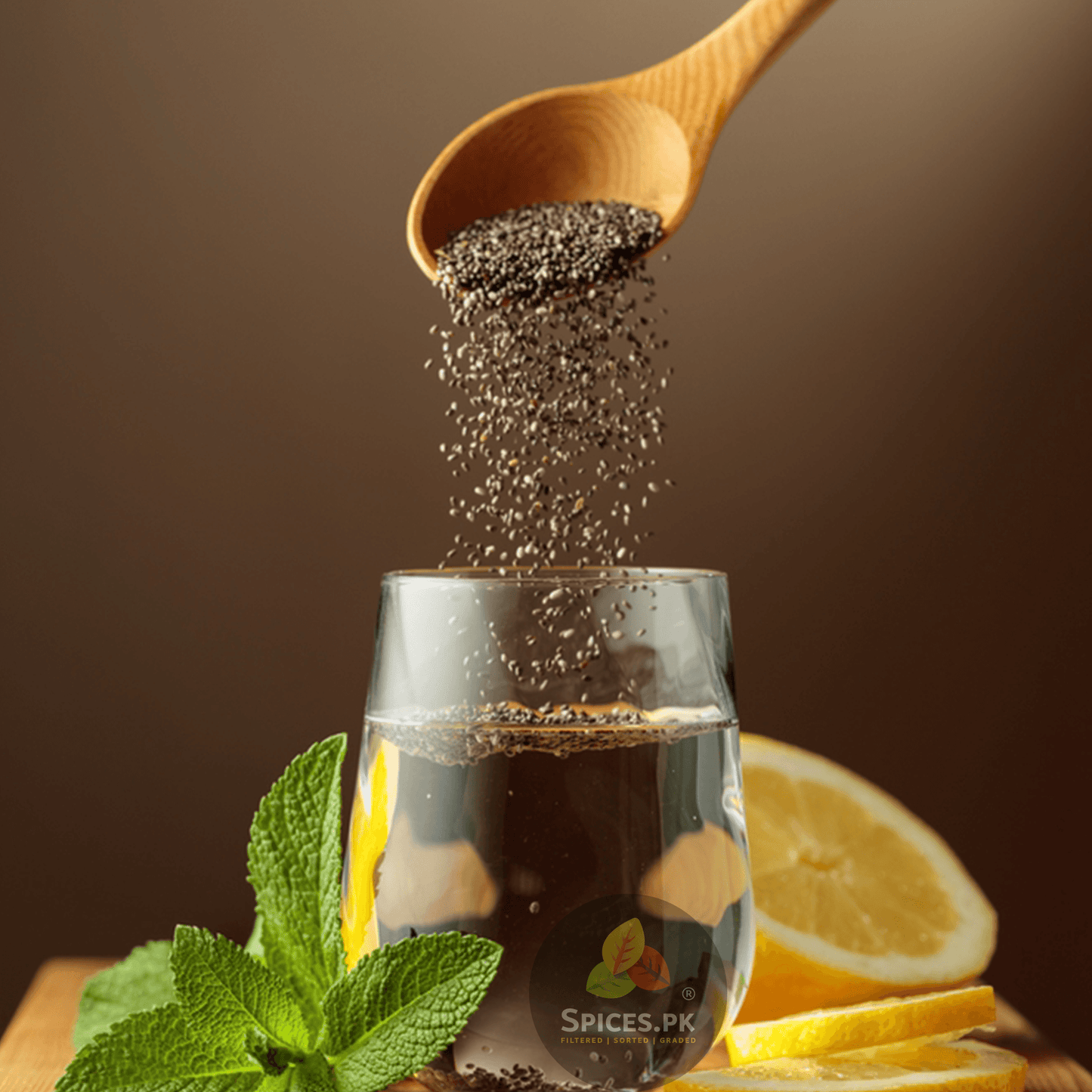
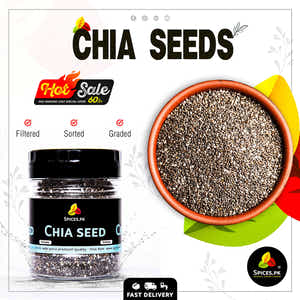
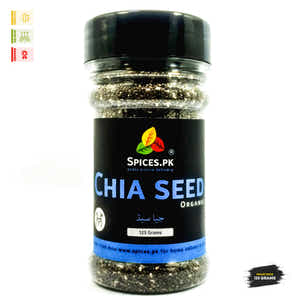
Organic Chia Seeds (چیا سیڈ / Tukhm-e-Sharbati) – Nutrient-Rich Superfood for Everyday Cooking
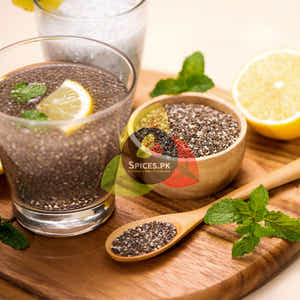
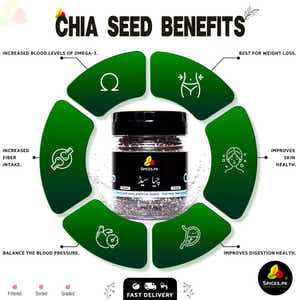
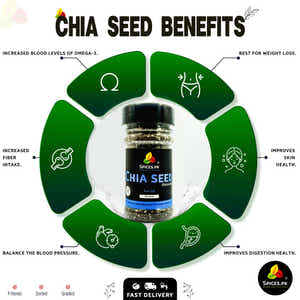
Welcome to Spices.pk, your source for pure, carefully packed superfoods in Pakistan. Our Organic Chia Seeds – often called Tukhm-e-Sharbati (تخم شربتی) in Pakistan – are non-GMO and packed fresh. These tiny seeds have been part of human diets for thousands of years and were a staple food of the Aztec and Mayan civilisations. Chia seeds naturally contain omega-3 fatty acids (about 18g per 100g), dietary fibre (about 34g per 100g) and plant protein (about 16–18g per 100g), making them a versatile ingredient for modern kitchens. Soak them in water for a refreshing drink, add them to roti dough, blend them into lassi, or use them as a vegan egg replacer – chia seeds are a simple addition to a balanced diet.

Chia Seeds (چیا سیڈ)
Why Choose Spices.pk Chia Seeds (تخم شربتی)?

What are Chia Seeds (تخم شربتی)?
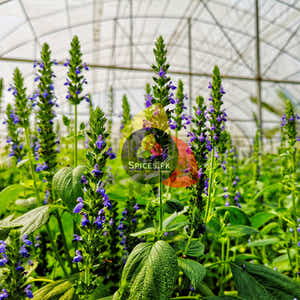
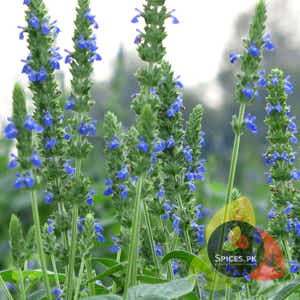
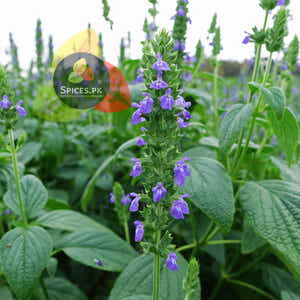
Chia seeds, commonly sold as Tukhm-e-Sharbati (تخم شربتی) in Pakistan, are the edible seeds of the flowering plant Salvia hispanica, a member of the mint family. Native to central and southern Mexico and Guatemala, chia seeds were a staple food of the Aztecs and Mayans. The word chia is often linked to the meaning "strength".
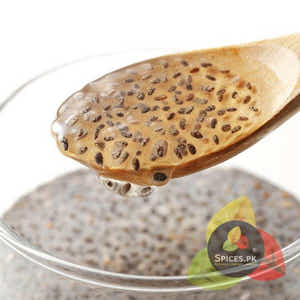
Approximate nutrition per 100g of chia seeds: about 486 kcal, 42g carbohydrates (of which about 34g is dietary fibre), 30g fat (of which about 18g is the plant omega-3 ALA – alpha-linolenic acid), 16–18g protein and almost no sugar. They also contain minerals such as calcium, phosphorus, magnesium, manganese and zinc. A unique property of chia seeds is their ability to absorb many times their weight in water, forming a gel that adds texture to drinks and recipes.
Whether you are in Lahore, Karachi or Islamabad, our organic chia seeds bring this ancient food fresh to your kitchen for everyday cooking.
An Ancient Food: The History of Chia Seeds
Chia seeds have been cultivated for thousands of years. They were an important food for the Aztec and Mayan civilisations, who used them in drinks, flour and religious offerings. Historical records such as the Codex Mendoza (16th century) show that chia was among the goods paid as tribute to Aztec rulers.
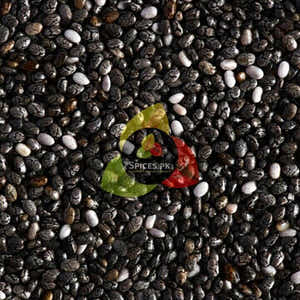
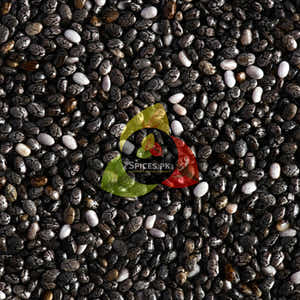
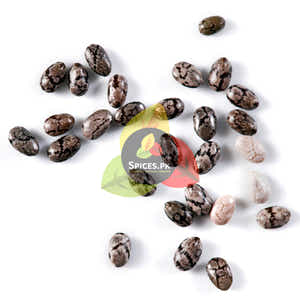
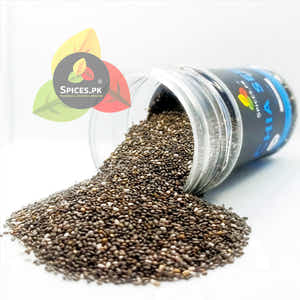
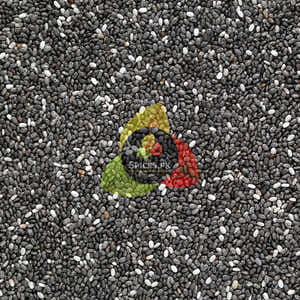
After the Spanish conquest of the Americas, chia cultivation declined for centuries as European crops replaced it. Interest in chia grew again in the late 20th century, and today it is enjoyed worldwide, with countries in South America such as Paraguay, Bolivia and Argentina, along with Mexico, among the main growers. In South Asia, chia seeds are often confused with basil seeds (Tukh Malanga / Sabja). True chia seeds (Salvia hispanica) are small, oval and have a mottled grey, black and white appearance, while basil seeds are fully black and slightly more teardrop-shaped.
Best quality chia seeds in so reasonable and cheapest price. Ordered chia seeds from different online pages but never got so clean and neat product even in expensive rates. Product quality is perfect. Delivery was so fast. Great product from an honest seller, will be buying every-time from this seller only. Best quality product in best rates. 5 star for fast delivery.
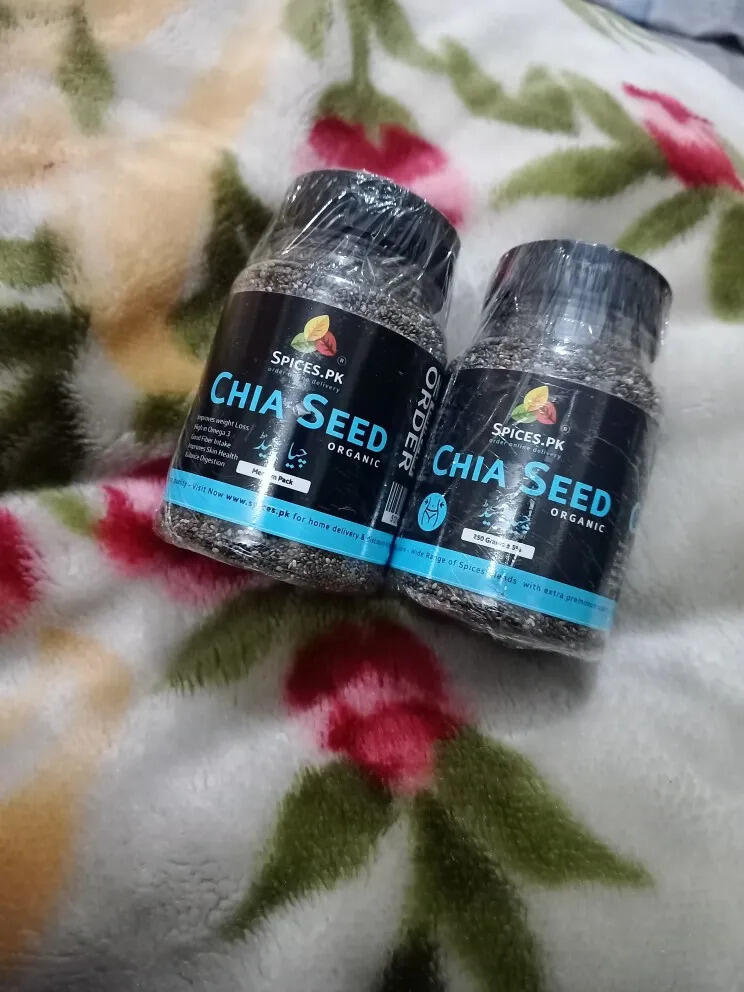
Good products
"Finally found pure, clean chia seeds that actually help with appetite control and weight loss!"
I have been trying to incorporate superfoods into my daily weight-loss routine for months, but most chia seeds bought locally are full of dust, small stones, or mixed up with basil seeds (tukh malanga). After reading positive feedback online, I ordered the 100% Organic Chia Seeds (Tukhm-e-Sharbati) directly from Spices.pk, and they did not disappoint.
Love the purchase!
Exceptional Quality & Freshness – Highly Recommend!
I purchased these chia seeds from Spices.pk primarily to help with my weight loss journey, and I am incredibly impressed with the quality.
What I love about it:
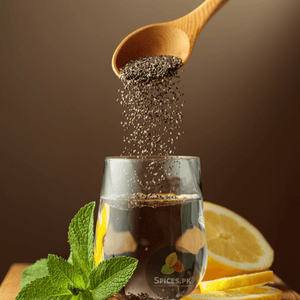
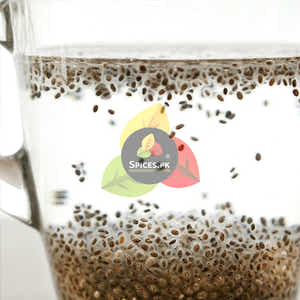
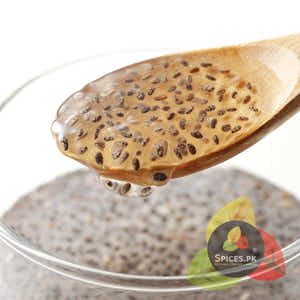
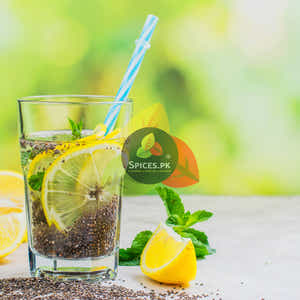
Perfect Swelling: They absorb water quickly and gel up beautifully. Just one tablespoon in a glass of warm water with a splash of lemon in the morning keeps me full and satisfied for hours, which has drastically reduced my mid-day snacking.
Clean & Fresh: Unlike other brands I've tried, there is absolutely no dirt, sand, or debris mixed in. The packaging keeps them completely fresh.
Versatile: They blend seamlessly into my morning oats, smoothies, and yogurt bowls without altering the taste.
If you are looking for authentic, clean chia seeds (چیا سیڈ) to support a healthier lifestyle or weight loss routine, do not hesitate. Spices.pk delivers exactly what they promise. Will definitely be reordering!






















































































































































Let customers speak for us
Good store for shopping
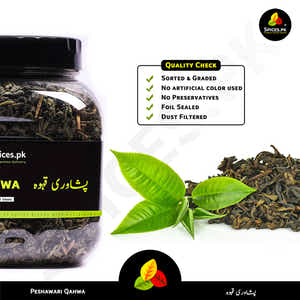
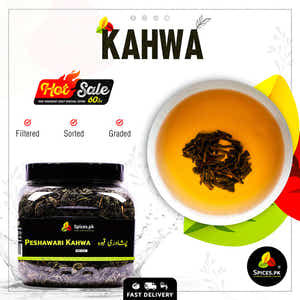
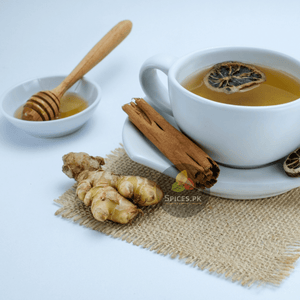
Peshawari Kahwa — Traditional Pakistani Green Tea
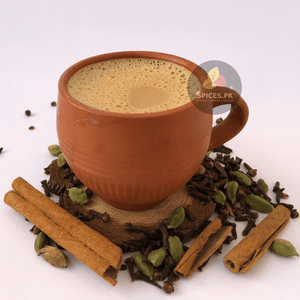
Bring warmth to your tea table with Spices PK Peshawari Kahwa, a loose-leaf green tea with an aromatic blend of cardamom, cinnamon and cloves. This traditional Pakistani qahwa offers earthy tea flavour and fragrant spice notes for everyday tea breaks or sharing with guests.
Brew, strain and serve hot in glass cups. Enjoy it plain, or add honey to your taste.

Shopping with Spices.pk for their 100% Pure Mustard Oil (Sarson ka Tel) has been an absolute delight from start to finish. The online ordering process on their website was seamless, user-friendly, and efficient, ensuring a hassle-free checkout. What impressed me most was their exceptional attention to detail regarding product safety and delivery: the 50ml bottles arrived securely wrapped in heavy bubble wrap, ensuring zero leakage or damage during transit. Spices.pk delivers on its promise of authentic quality, prompt shipping across Pakistan, and reliable customer service. If you are looking to buy genuine traditional oils and spices online, Spices.pk is a trustworthy, top-tier brand that I wholeheartedly recommend for quality and professionalism!
If you are looking for the best pure mustard oil (Sarson ka Tel) in Pakistan, the 100% Pure Mustard Oil (50ml Discount Pack) from Spices.pk is hands-down the top choice for hair care, skincare, and traditional massage. The quality is 100% natural, unadulterated, and rich in natural nutrients, giving you that authentic, deep-nourishing experience without any harsh additives. The compact 50ml bottle size is incredibly convenient, budget-friendly, and travel-friendly, making it super easy to use daily without mess or waste. Delivery across Pakistan via Spices.pk was fast, packaging was secure with bubble wrap, and the overall quality exceeded my expectations—highly recommended for anyone seeking pure Sarson ka Tel online!

If you are searching for the best 100% pure cold-pressed almond oil (Roghan Badam) in Pakistan, the Spices.pk 50ml Almond Oil Discount Pack is an absolute game-changer! I bought this lightweight, non-greasy organic sweet almond oil to fix my dry scalp and dark circles, and the results have been incredible. Packed naturally with Vitamin E, essential fatty acids, and powerful antioxidants, it deeply moisturizes the skin, strengthens hair roots to reduce breakage, and gives a healthy, natural glow. The convenient 50ml pump bottle makes daily application and scalp massage mess-free, and ordering online directly from Spices.pk in Pakistan was fast, seamless, and high-value. Whether you need a natural night serum for glowing skin, a rich hair growth treatment, or traditional Roghan Badam for holistic wellness, this is hands-down the highest quality organic almond oil you can buy online in Pakistan!

If you are looking for a reliable platform for healthy superfoods and pantry essentials, Spices.pk delivers an exceptional online shopping experience across Pakistan. Their website is user-friendly, featuring seamless navigation, clear product categorization (from organic seeds and dry fruits to traditional spices), and transparent pricing. Customers benefit from hassle-free ordering, secure payment options including Cash on Delivery (COD), and prompt nationwide shipping to major hubs like Lahore, Karachi, and Islamabad. With responsive customer support and secure, airtight packaging that preserves product freshness, Spices.pk stands out as a trusted, top-rated e-commerce destination for pure and authentic kitchen staples.
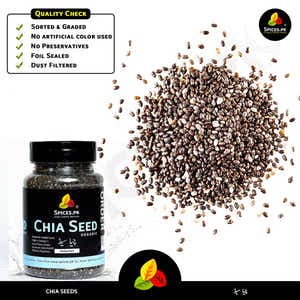
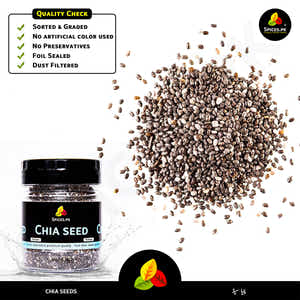
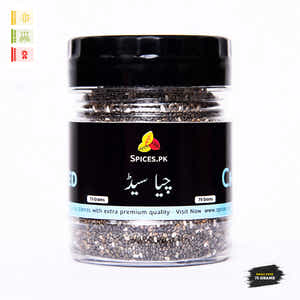
If you are looking to buy the best chia seeds in Pakistan, the Premium Chia Seeds 250g pack from Spices.pk is an absolute game-changer for your health and weight loss journey. As 100% pure, organic, and triple-cleaned superfood seeds (locally known as Tukhm-e-Sharbati), they are exceptionally rich in dietary fiber, plant-based Omega-3 fatty acids, and essential proteins that keep you full longer and boost daily energy. Whether you love mixing them into a refreshing summer sharbat, morning detox water, weight loss smoothies, or overnight pudding, this value pack delivers supreme freshness in a convenient resealable pouch with nationwide delivery across Lahore, Karachi, Islamabad, and beyond. Highly recommended for anyone seeking premium quality nutrition, smooth digestion, and authentic wellness right from their kitchen!

Great Product & Fast Delivery. Thanks
The Pure Coconut Oil (Nariyal Ka Tel) by Spices.pk is an exceptional, 100% unadulterated product that has quickly become a staple in my daily self-care routine in Pakistan. Unlike heavily processed or diluted commercial oils, this authentic coconut oil features a natural aroma, solidifies in cooler temperatures, and is completely free from mineral oils or synthetic fragrances. Whether used for a deep-conditioning hair scalp massage to tame frizz and boost shine, or applied as a nourishing post-shower skin moisturizer, it delivers incredible hydration. If you are looking for a genuinely pure, multi-purpose organic coconut oil for hair growth and skin health, Spices.pk offers the highest quality available online.

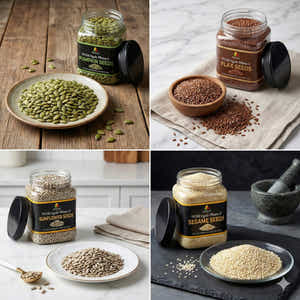
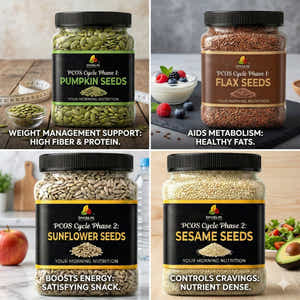
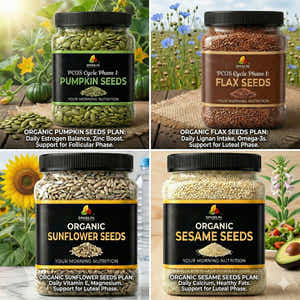
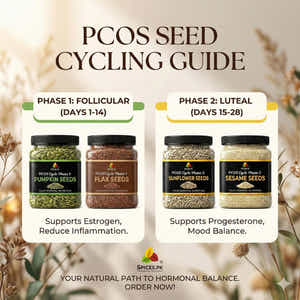
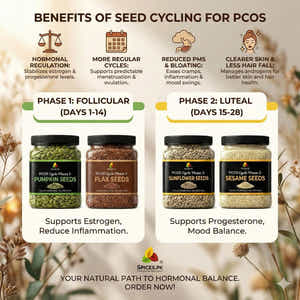
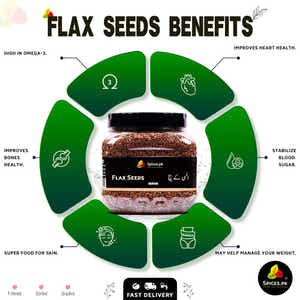
The **PCOS Seed Cycling Kit by Spices.pk** is an absolute game-changer for women managing hormonal imbalances and irregular periods in Pakistan. This thoughtfully curated kit includes all four essential, 100% organic seeds—**pumpkin and flax seeds for the follicular phase**, and **sesame and sunflower seeds for the luteal phase**—ensuring complete cycle synchronization. Unlike loose market alternatives, Spices.pk delivers exceptionally clean, fresh, and premium-quality seeds in airtight packaging that locks in vital nutrients like Omega-3s and Vitamin E. After just a few months of consistent use, I experienced a noticeable improvement in cycle regularity, reduced hormonal acne, and better PMS management. If you are looking for a natural, food-first remedy for hormonal health, this kit is worth every rupee.

Good product

Good products

Great Services, Great Packing, Fast Delivery
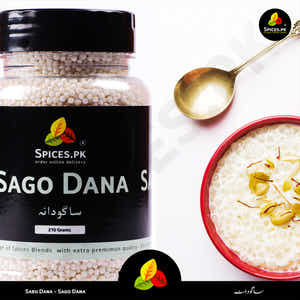
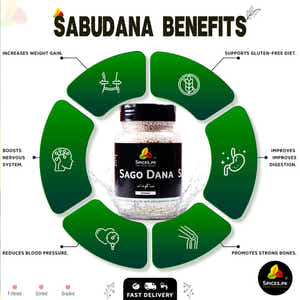
"Finding high-quality, evenly sized, and clean Sabudana (Sago Pearls / ساگودانہ) that doesn't turn into a sticky, heavy paste or melt into mush while cooking used to be a frustrating task. Most local grocery stores sell broken or chemically bleached sago pearls full of dust. Thankfully, I ordered the Organic Sabudana (Sago Pearls) from Spices.PK, and the quality is remarkably superior.
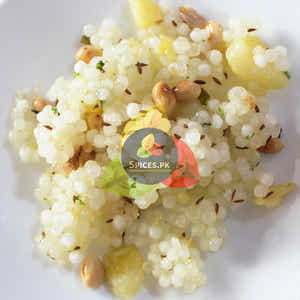
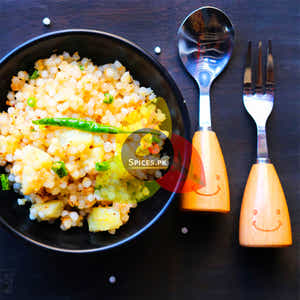
Based in Karachi, Pakistan, I needed a light, easily digestible food option for toddler meals, fasting days (roza), and soothing weaning diets. These organic sago pearls are beautifully uniform, pearly white, completely free of impurities, and soak up water evenly. When boiled or made into traditional creamy Sabu-dana kheer or light savory khichdi, they retain a lovely, soft-yet-chewy texture without clumping together. Delivered right to my doorstep with seamless cash-on-delivery, it's safe to say Spices.PK is now my go-to online store for authentic organic grains and superfoods in Pakistan!"

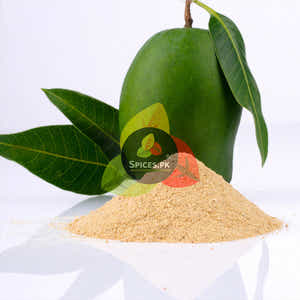
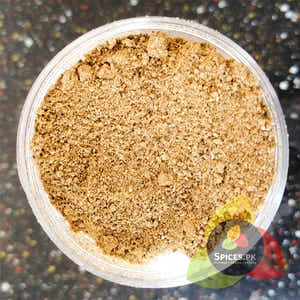
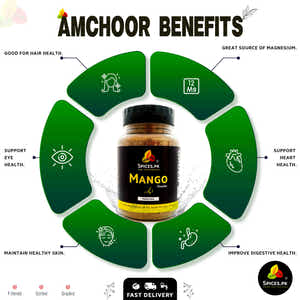
"If you are tired of using liquid lemon juice or tamarind paste that makes your dry vegetable stir-fries, samosa fillings, and chaats soggy, you need to try the Organic Amchoor (Raw Mango Powder / آمچور) from Spices.PK. As a home chef based in Islamabad, Pakistan, finding authentic, chemical-free dry mango powder that retains a sharp, natural fruity tartness without artificial fillers is difficult.
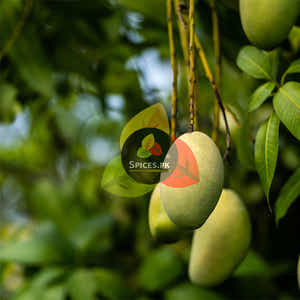
Spices.PK completely nailed the quality. Made from sun-dried unripe green mangoes, this amchoor powder has a fine texture, an incredible sun-drenched aroma, and a clean citrusy kick that instantly elevates dishes like chana chaat, aloo tikkies, and traditional meat marinades without altering the texture. It also acts as a wonderful natural meat tenderizer and digestive aid. Delivered fresh to my door with smooth cash-on-delivery service, it has easily become a permanent staple in my spice rack. Highly recommended for anyone looking for 100% pure organic spices online in Pakistan!"

Faqs


