



 Spices.pk
⚡ Accepted Payment Methods


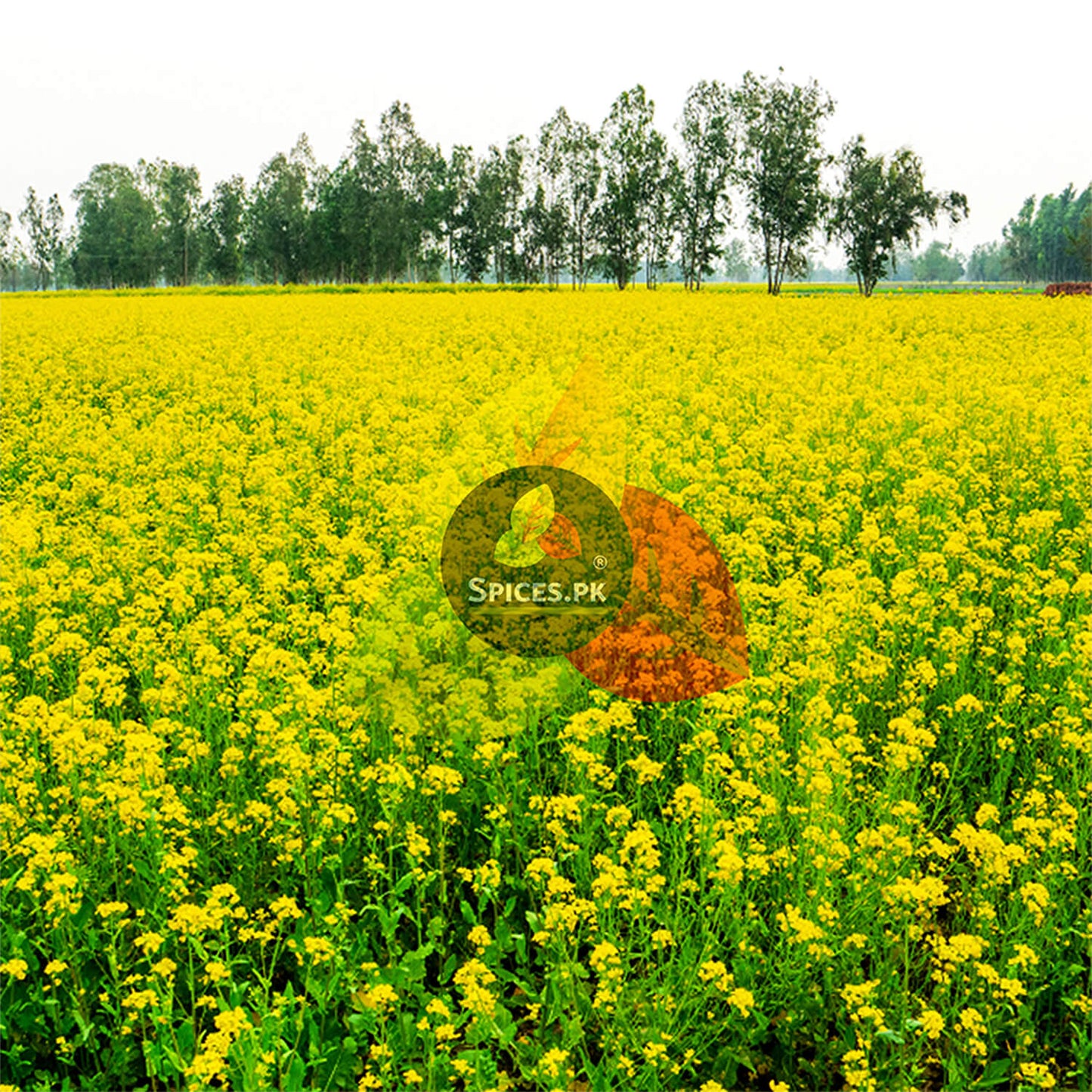
Premium Whole Mustard Seeds (رائی دانہ / Rai Dana) – Pungent Brown Mustard for Pickles, Tadka & Heart Health
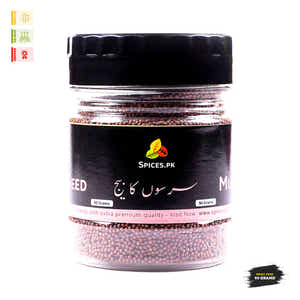
Welcome to Spices.pk, your most trusted source for 100% organic, chemical‑free spices and superfoods. Our premium Mustard Seeds – Rai Dana (رائی دانہ / Brassica juncea) are carefully harvested, sun‑dried, and packed fresh in Pakistan. These tiny, pungent brown seeds are an essential spice in every Pakistani kitchen – from pickles (achaar) and tempering (tadka) to curries and fish dishes. Rich in glucosinolates, sinigrin, and omega‑3 fatty acids, they offer powerful anti‑inflammatory, antibacterial, and heart‑protective benefits. Nutritionally, 100g provides 508 kcal, 12g dietary fibre, 18.5mg iron (103% DV), 520mg calcium (52% DV), 680mg potassium, and 300mg magnesium (75% DV). Whether you crackle them in hot oil for daal, grind them into pickles, or use them for mustard oil extraction, our whole Rai Dana delivers authentic pungency and wellness – from ancient Ayurveda to your table.

Mustard Seeds (رائی دانہ)
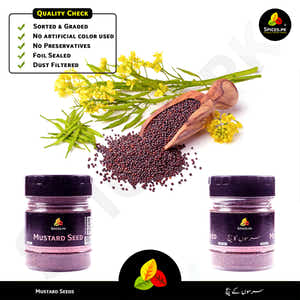
Why Choose Spices.pk Mustard Seeds (رائی دانہ / Rai Dana)?

What are Mustard Seeds (رائی دانہ / Rai Dana)?
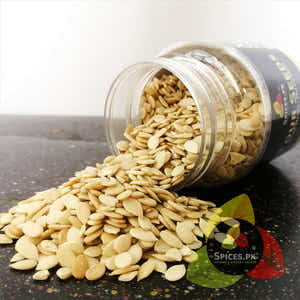
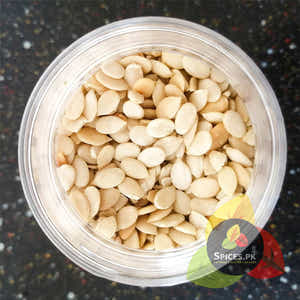
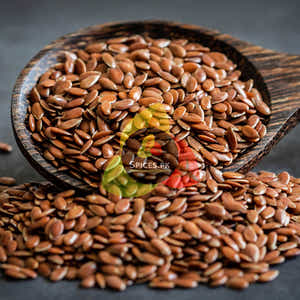
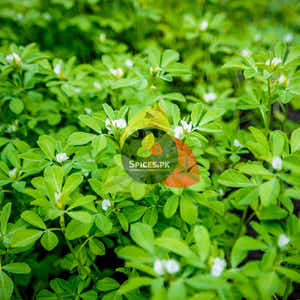
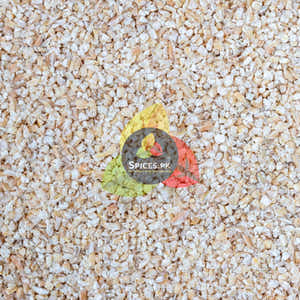
Mustard Seeds (رائی دانہ / Rai Dana) are the small, round seeds of various mustard plants belonging to the Brassicaceae family. The three main varieties used globally are:
- Black Mustard (Brassica nigra): The smallest but most pungent and spicy – traditionally the 'true' mustard seed.
- Brown Mustard (Brassica juncea): Medium heat, commonly used in Indian and Pakistani pickles, curries and oil extraction. Our product is primarily Brown Mustard.
- Yellow/White Mustard (Sinapis alba): The mildest variety, with larger, light‑tan seeds used in American and European yellow mustard preparation.
In Pakistan, we generally use Brown Mustard seeds, known as Rai (رائی), Kali Sarson (کالی سرسوں) or Banarasi Rai, and they are a staple in spice blends, pickling, and for extracting pure mustard oil.
Nutritional profile per 100g of mustard seeds: approximately 508 kcal, 28g carbohydrates, 12g dietary fibre (44% DV), 26g protein, 36g fat, and exceptional mineral content: iron (18.5mg – 103% DV), calcium (520mg – 52% DV), potassium (680mg – 19% DV), magnesium (300mg – 75% DV), phosphorus (520mg – 52% DV), zinc (6.5mg – 43% DV), and selenium (208µg – 296% DV). They are also a rich source of omega‑3 fatty acids (alpha‑linolenic acid) and B‑vitamins. The key bioactive compounds include glucosinolates (sinigrin), which convert to isothiocyanates (allyl isothiocyanate) – responsible for the pungent heat and most health benefits.
Whether you live in Lahore, Karachi, Islamabad, Rawalpindi, or any other city in Pakistan, our premium whole mustard seeds deliver unmatched pungency, aroma, and nutritional power – a tiny treasure that has been used for over 5,000 years.
A Spice With 5,000+ Years of Culinary & Medicinal Heritage
Mustard seeds have a fascinating history that spans over 5,000 years. They are one of the world's oldest spices, described in Indian and Sumerian texts dating back to 3000 BCE. Mustard was cultivated by the ancient Egyptians, who placed the seeds in Pharaoh Tutankhamun's tomb (c. 1323 BCE) as a cherished everyday item for the afterlife. The ancient Greeks considered it a common spice and used it as a preparation for sore muscles – the word 'mustard' itself originates from Latin 'mustum ardens' meaning 'burning must', referring to the early Roman practice of grinding the seeds and mixing with unfermented grape juice.
The spice is mentioned frequently in Greek and Roman writings (Hippocrates, Dioscorides, Pliny the Elder) and in the Bible; in the New Testament, the tiny mustard seed is used as a symbol of faith and the kingdom of God (Matthew 17:20). In the Indian subcontinent, Gautama Buddha told the parable of the grieving mother (Kisa Gotami) and the mustard seed in the 5th century BCE, teaching that death is common to all. In Ayurveda and Unani medicine, mustard seeds are used as a carminative, digestive stimulant, and external poultice for joint pain and inflammation.
Today, Nepal is the world's largest producer of mustard seeds (230 million tonnes, 27% of global output), followed by Russia, Canada, Malaysia, and the United States. Pakistan is a significant producer of rapeseed‑mustard, cultivated over 307,000 hectares with an annual production of 233,000 tonnes, contributing about 17% to the domestic production of edible oil. Spices.pk is proud to bring this historically revered, scientifically validated spice to your table in its purest, most authentic organic form.































































































































Faqs


