



 Spices.pk
⚡ Accepted Payment Methods


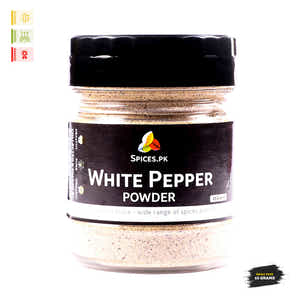
Premium White Pepper – Dakhni Mirch (سفید مرچ) – Pungent Piperine for Digestion, Weight Management, Immunity & Light-Coloured Dishes
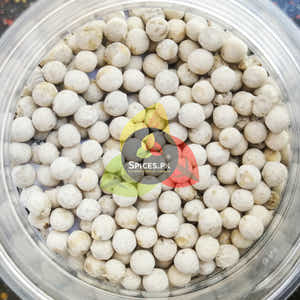
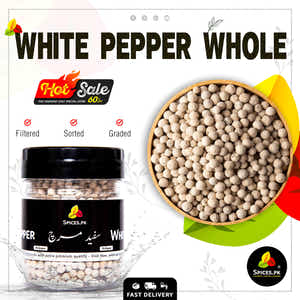
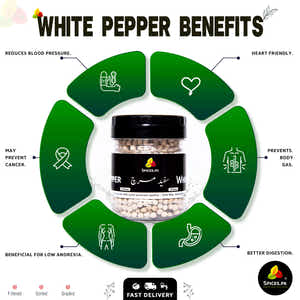
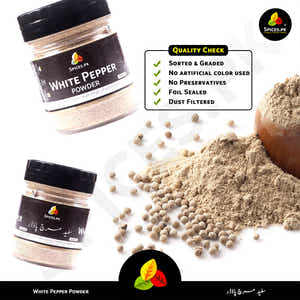
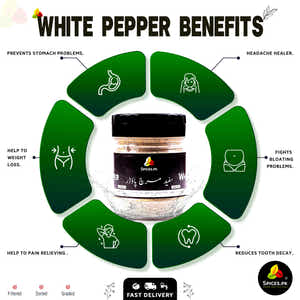
Welcome to Spices.pk, your most trusted source for 100% pure, chemical‑free spices and superfoods. Our premium White Pepper – Dakhni Mirch (سفید مرچ) – also known as Safed Mirch is made from the same pepper berries as black pepper, but with the dark outer skin removed, leaving only the inner, hotter, white seed. Whole white pepper has a clean, sharp taste with a more immediate pungency than black pepper, which builds more gradually. This spice is an excellent source of manganese, a very good source of iron and vitamin K, and a good source of dietary fibre. Packed with the powerful alkaloid piperine, white pepper helps stimulate the production of digestive enzymes, easing gas and bloating after meals. It is a natural metabolism booster that aids in weight management, a rich source of antioxidants that fight free radicals, and an anti‑inflammatory agent that helps reduce chronic inflammation. White pepper is the preferred spice for light‑coloured dishes where the black specks of pepper would be noticeable – perfect for white sauces, mashed potatoes, creamy soups, and fish dishes. Our whole white peppercorns are carefully processed, sun‑dried, and packaged fresh in Pakistan, ready to be ground at home for the freshest possible flavour. Bring the subtle heat and nutritional richness of Dakhni Mirch to your kitchen today.

White Pepper (سفید مرچ)
Why Choose Spices.pk White Pepper (Dakhni Mirch)?

What Is White Pepper (Dakhni Mirch / سفید مرچ)?
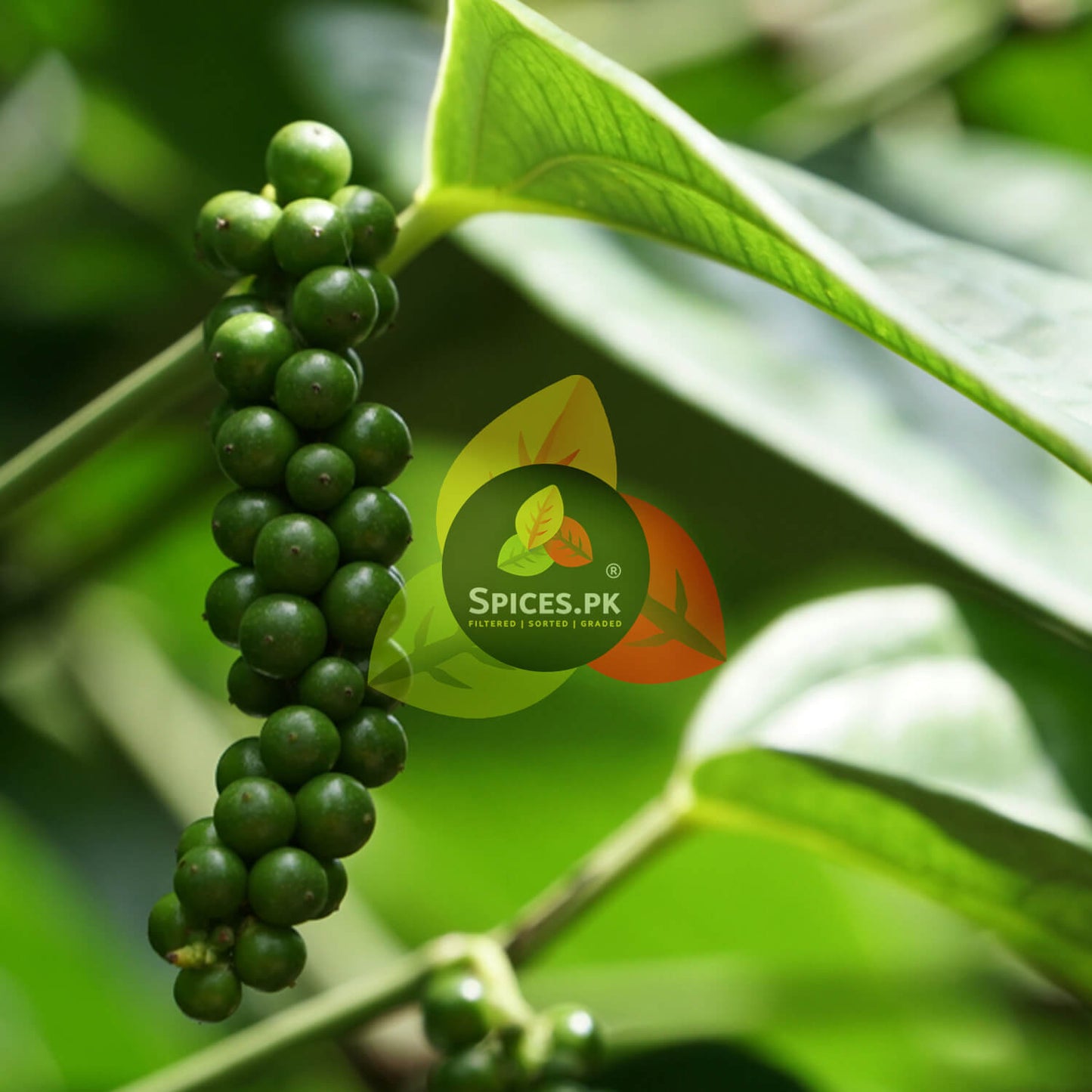
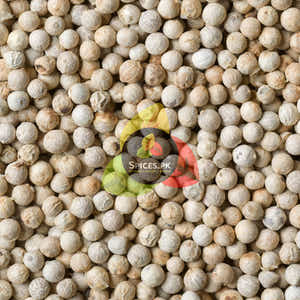
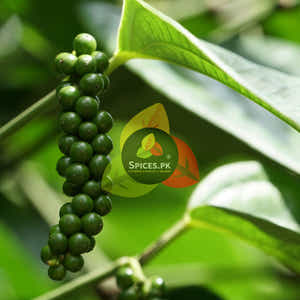
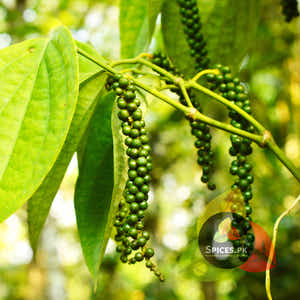
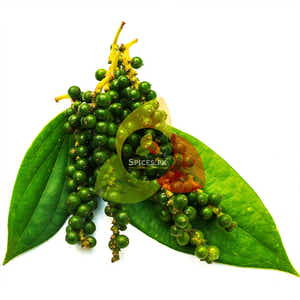
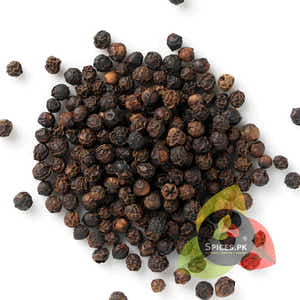
White pepper, also known as Dakhni Mirch or Safed Mirch, is the seed of the pepper plant (Piper nigrum) after the outer black skin of the peppercorn has been removed. Both black and white pepper come from the same plant. The difference lies in processing. Black pepper is made by drying the whole unripe berry, which turns dark and shrivelled. White pepper, on the other hand, is produced from fully ripe berries. They are soaked in water for about a week, a process called retting, which softens the outer black skin. The skin is then removed, leaving only the inner seed. This seed is then dried, resulting in a light‑coloured, spherical peppercorn.
White pepper has a sharper, more immediate heat than black pepper, but with a simpler, cleaner flavour profile. It contains all the key bioactive compounds of black pepper, including the alkaloid piperine, which gives pepper its heat and is responsible for many of its medicinal properties. Piperine has been shown to have antioxidant, anti‑inflammatory, and bioavailability‑enhancing effects. Nutritionally, 100g of white pepper provides 296 calories, 69 grams of carbohydrates, 10 grams of protein, very low fat, and is an excellent source of manganese, iron, and vitamin K. It also contains significant amounts of calcium, magnesium, and dietary fibre.
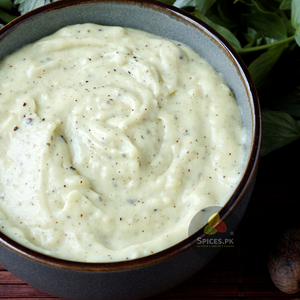
White pepper is a staple in Pakistani kitchens, especially in the northern regions, where it is added to slow‑cooked curries, qormas, and pulaos. The name "Dakhni Mirch" reflects its historical association with the Deccan region of India, where it was widely traded. In modern cooking, white pepper is prized for its ability to blend seamlessly into light‑coloured dishes, such as white sauces, cream soups, mashed potatoes, and fish stews, where black specks would be visually unappealing. It is also a common ingredient in Chinese, Thai, and Vietnamese cuisine. From its origins in the Western Ghats of India to your dining table, white pepper is a true global spice.
A 5,000‑Year Journey: The History of White Pepper
The story of white pepper begins with the Piper nigrum vine, which is native to the Western Ghats of South India. Pepper has been cultivated there for over 5,000 years, making it one of the oldest and most valuable spices in the world. In ancient times, it was so highly prized that it was literally called "black gold" and used as currency. The demand for pepper was one of the primary drivers of global trade, connecting India to Europe via the Silk Road and later through maritime routes.
While black pepper was more common, the production of white pepper also has a long history. The process of soaking and removing the dark skin to produce a white kernel was likely developed to create a more refined, milder spice for royal and wealthy households. White pepper was especially valued in Mughal cuisine, where it was used in delicate, creamy dishes such as Shaljam Gosht, Nihari, and white qormas, where the dark flecks of black pepper would have been considered unpalatable. It also became a staple in the spice blends of the Deccan region, from which it derived the name Dakhni Mirch.
The European colonial powers played a major role in spreading white pepper around the world. The Portuguese established direct trade routes to India in the 15th century, breaking the Arab monopoly. Later, the Dutch and the British controlled much of the pepper trade. Today, white pepper is grown in all the major pepper‑producing regions of the world, including India, Indonesia, Vietnam, Malaysia, and Brazil. Among these, Indonesia is the largest producer, accounting for over 50% of global white pepper production, followed by India. Vietnam is the world's largest pepper exporter, shipping white pepper to the United States, Germany, China, and the UAE. Despite its global reach, white pepper remains a beloved ingredient in Pakistani households, a subtle yet essential spice that adds warmth without colour.


































































































































Faqs


