Skip to product information
1 of 4
Daraz
Brand Logo Spices.pk
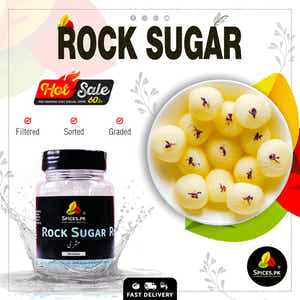
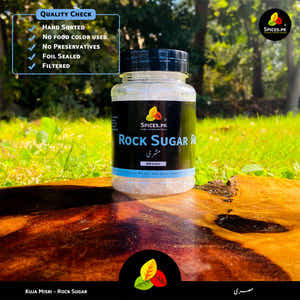
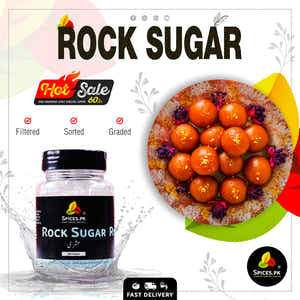
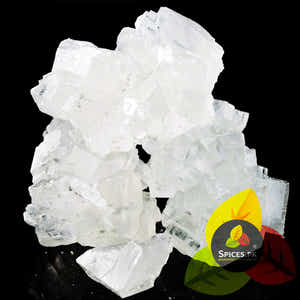
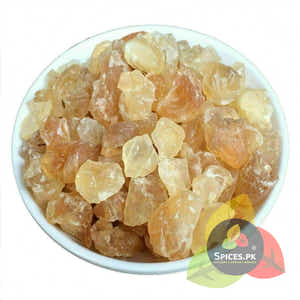
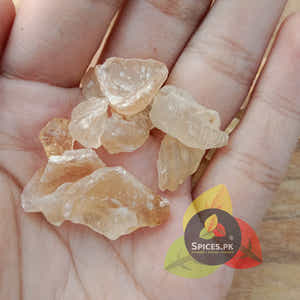
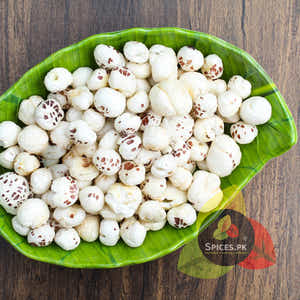
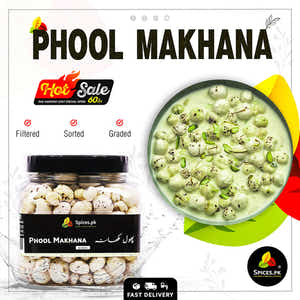
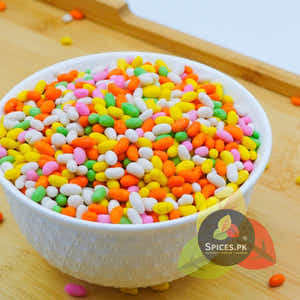
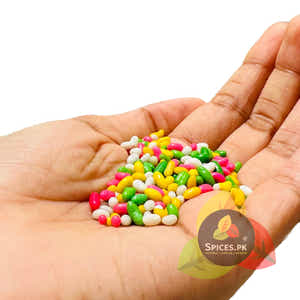
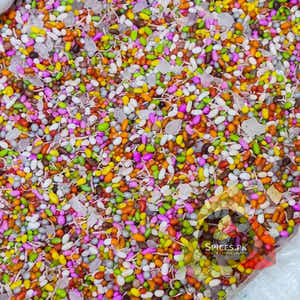
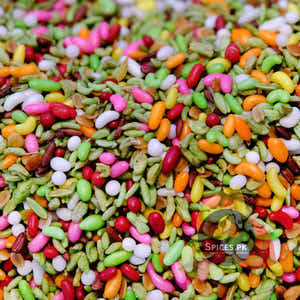
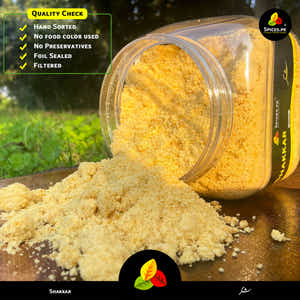
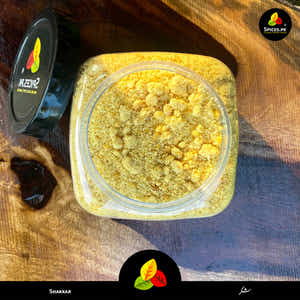
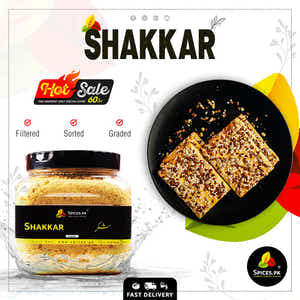
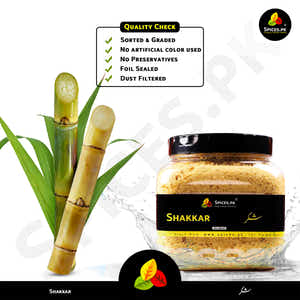
Meethay Makhany - Sabut Meethay Makhane - Sweetened - Darbari Makhana
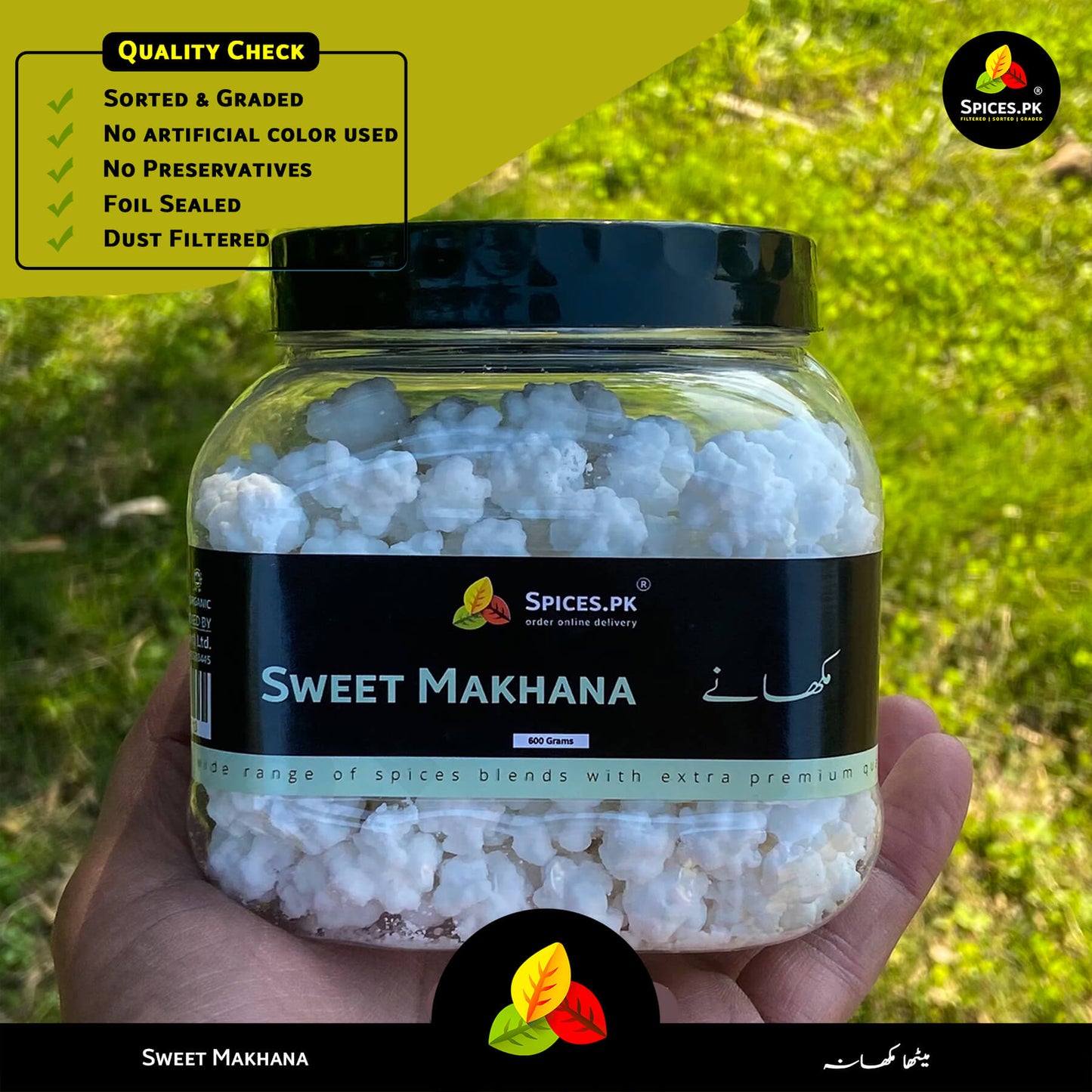
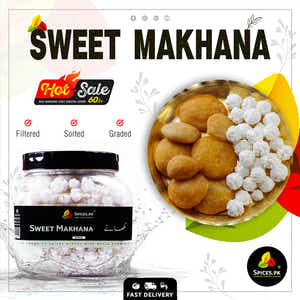
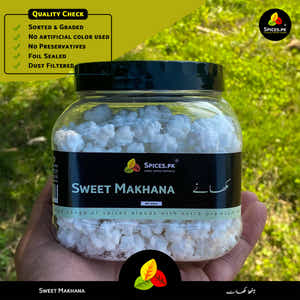
Sweet Makhana (میٹھے مکھانے)
Sweets
0 only
Trust & Payment — Enhanced Visuals
Free Shipping
Orders over 2000 PKR
Secure Payment
256-bit SSL & fraud protection
24/7 Support
via WhatsApp & chat

⚡ Accepted Payment Methods

  • Visa
  • Mastercard
  • PayPal
✅ Trusted by 10,000+ customers · PCI compliant
SKU: 51214049512143
Barcode: 51214049512143
View full details

Traditional Sweet Makhana (میٹھے مکھانے) – Pure Sugar Confection for Prasad, Festive Offerings & Instant Sweet Cravings

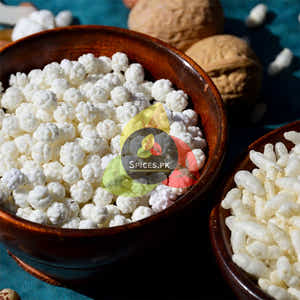
Welcome to Spices.pk, your most trusted source for 100% pure, chemical‑free traditional sweets and confections. Our premium Sweet Makhana (میٹھے مکھانے) – also known as Nakul Dana, Elaichi Dana, or Mimosa Sugar Balls – are small, pearl‑like sugar confections made from refined sugar and lightly flavoured with cardamom. Handcrafted using a traditional centrifuge technique passed down through generations of halwais (sweet makers), these crunchy, melt‑in‑the‑mouth sugar balls are an essential part of religious ceremonies (Prasad), festive celebrations (Diwali, Holi, Eid), and everyday sweet cravings. Packed fresh in Pakistan, they offer a pure, halal, and vegetarian sweetening option that instantly satisfies your sweet tooth.

Traditional Sweet Makhana – Pure Sugar Confection for Prasad & Festive Offerings

Sweet Makhana (میٹھے مکھانے)

Why Choose Spices.pk Sweet Makhana (میٹھے مکھانے)?

🛐Traditional Prasad – Perfect for religious offerings (puja, bhog, aarti) in Hindu, Jain, and Sikh ceremonies
🎯Instant Sweet Fix – Small, satisfying sugar balls that melt on the tongue; ideal for curbing sugar cravings without overindulgence
👶Kid‑Friendly – Loved by children as a lunchbox treat, after‑school snack, or party favour; no artificial colours or flavours
🍰Versatile Topping – Decorate kheer, halwa, custard, ice cream, barfi, and laddoo with these crunchy pearls for a festive look
🕌Halal Certified – Pure, safe, and authentic for all Pakistani households and religious observances
12+ Months Guaranteed Freshness – Premium airtight packaging; stays crunchy and flavourful
Sweet Makhana uses – Prasad offering, dessert topping, tea sweetener, festive decoration, kids treat

What is Sweet Makhana (میٹھے مکھانے)?

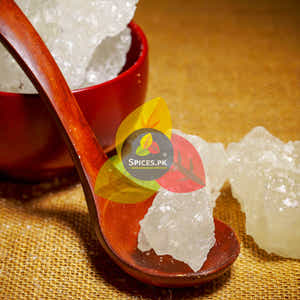
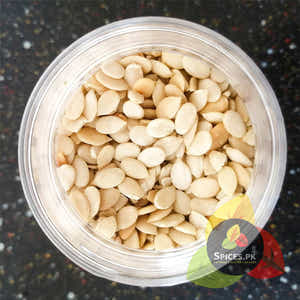
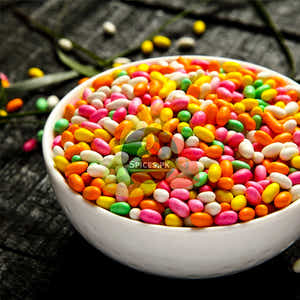
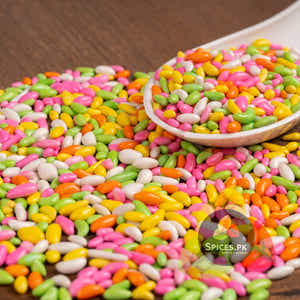
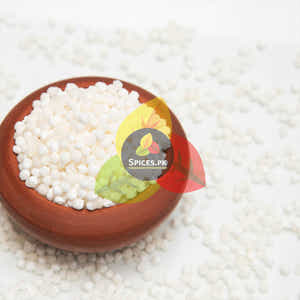
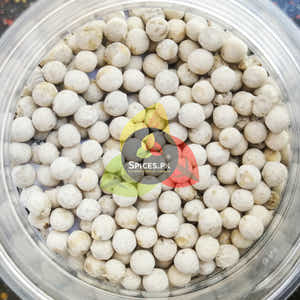
Sweet Makhana (میٹھے مکھانے), also known as Nakul Dana, Elaichi Dana, or Mimosa Sugar Balls, is a traditional South Asian confection made entirely from pure refined sugar and cardamom (elaichi) flavouring. Important note: Despite the name "Makhana," this product is NOT related to fox nuts (Euryale ferox / lotus seeds). Sweet Makhana is a pure sugar confection – small, white, pearl‑like drops that are highly valued for their distinctive sweet taste and satisfying crunch. Unlike hard candies, these sugar balls instantly melt in your mouth, releasing a subtle cardamom aroma.

Nutritional profile per 100g: approximately 400‑420 kcal, 99‑100g carbohydrates (pure sucrose), 0g protein, 0g fat, 0g fibre. While it offers no vitamins or minerals, its primary value lies in its cultural, religious, and sensory appeal. The cardamom flavouring adds a pleasant digestive aid. Sweet Makhana is widely used in religious ceremonies across Pakistan, India, and Nepal, offered to deities as Prasad (blessed offering) and later distributed among devotees. Its long shelf life (12+ months) and portability make it an ideal choice for both daily use and special festivals like Diwali, Holi, Janmashtami, Shivratri, and Eid.

Whether you need a quick sweet bite, a decorative topping for desserts, or a traditional Prasad for your home temple, our Sweet Makhana delivers the authentic taste and texture that generations of South Asians have cherished.

A Timeless Tradition: The History of Sweet Makhana (Nakul Dana)

The origins of Sweet Makhana as a sugar confection are deeply intertwined with the culinary and religious history of the Indian subcontinent. It is believed that the art of making these tiny sugar drops has been passed down for generations, with references appearing in historical temple records and texts from the Mughal era (16th‑17th century) as well as earlier medieval Hindu temple inscriptions. The process involves boiling sugar to a precise consistency (the "hard ball" stage, 120‑130°C / 250‑265°F) and then using a centrifuge‑like rotating machine (kadhai with a perforated drum) to spin the molten sugar into small, solid balls that cool and harden instantly.

Over time, regional variations emerged: Elaichi Dana (cardamom‑flavoured sugar balls) became popular in North India and Pakistan, while plain sugar versions were used in South Indian temples. The name "Nakul Dana" is derived from nakul (mongoose) and dana (seed), possibly referring to the small, seed‑like shape. Today, Sweet Makhana remains a beloved part of cultural celebrations, a cherished offering in temples (especially for Lord Krishna, Lord Ganesha, and Mata Durga), and a symbol of the enduring sweet heritage of South Asia.

📌 Important Clarification: Sweet Makhana (میٹھے مکھانے) is a sugar confection, NOT the same as roasted fox nuts (makhana / lotus seeds). While both share the word "makhana" in name, they are entirely different products. Sweet Makhana is made from refined sugar; roasted makhana (phool makhana) is a seed snack. Please do not confuse them. Our Sweet Makhana is a traditional sweet, not a health snack.

🏷️Traditional Names & Languages (South Asia)
  • 🇵🇰🇮🇳 Urdu / Hindi: میٹھے مکھانے / नकुल दाना (Sweet Makhana / Nakul Dana)
  • 🇮🇳 Sanskrit: प्रसाद दाना (Prasad Dana)
  • 🇮🇳 Bengali: নকুল দানা (Nokul Dana) / মিঠা মাখানা (Mitha Makhana)
  • 🇮🇳 Punjabi: ਨਕੁਲ ਦਾਨਾ (Nakul Dana)
  • 🇮🇳 Gujarati: નકુલ દાના (Nakul Dana)
  • 🇮🇳 Marathi: नकुल दाना / तरासरी (Nakul Dana / Tarasari)
  • 🇮🇳 Tamil: பிரசாத தானியம் (Prasatha Thaniyam)
  • 🇮🇳 Telugu: ప్రసాదం డానా (Prasadam Dana)
  • 🇮🇳 Kannada: ಪ್ರಸಾದ ಧಾನ್ಯ (Prasada Dhanya)
  • 🇮🇳 Malayalam: പ്രസാദ ദാനം (Prasada Danam)
🌍Global Names & Variations
  • 🇬🇧 English: Sugar Balls / Mimosa Sugar Balls / Candy Pearls / Elaichi Sugar Drops
  • 🇦🇪 Arabic: حلوى الماخانا (Halwa al-Makhana)
  • 🇫🇷 French: Boules de Sucre / Confiserie Indienne
  • 🇩🇪 German: Zuckerperlen / Indische Süßigkeit
  • 🇪🇸 Spanish: Bolitas de Azúcar / Dulce Indio
  • 🇨🇳 Chinese: 糖丸 (Táng wán)
  • 🇯🇵 Japanese: シュガーボール (Shugā Bōru)
🏭Producing Countries (Traditional Sugar Confection)
🇮🇳 India (major producer in Uttar Pradesh, West Bengal, Maharashtra, Rajasthan, and Gujarat – home to thousands of traditional halwais), 🇵🇰 Pakistan (major producer in Karachi, Lahore, Multan, Rawalpindi, and Faisalabad), 🇳🇵 Nepal (produced in the Kathmandu Valley and Terai region), 🇧🇩 Bangladesh (produced in Dhaka, Chittagong, and Sylhet), 🇱🇰 Sri Lanka (small‑scale production for local temple offerings).
📜Historical Background: From Mughal Kitchens to Temple Prasad
Sweet Makhana (Nakul Dana) has been used as a religious offering (Prasad) for centuries in Hindu, Jain, and Sikh temples across the subcontinent. The technique for making these sugar balls involves boiling sugar to the "hard ball" stage (120‑130°C) and using a centrifuge‑like rotating machine to form the pearls. This method was refined during the Mughal era (16th‑17th century) by royal halwais and later spread to temple kitchens. The name "Nakul Dana" appears in medieval Hindi literature. Today, it remains a staple in Diwali, Janmashtami, and Shivratri celebrations.
📤Exporting Countries (Sweet Makhana & Similar Confections, 2024‑2025)
  • 🇮🇳 India – largest exporter of traditional Indian sweets (mithai) including Nakul Dana, exporting to USA, UK, Canada, UAE, Australia, Singapore
  • 🇵🇰 Pakistan – second largest exporter of Sweet Makhana to Middle East (UAE, Saudi Arabia), UK, USA, and Afghanistan
  • 🇳🇵 Nepal – exports to India and Tibet
  • 🇧🇩 Bangladesh – exports to UK and Middle East
  • 🇦🇪 UAE – major re‑export hub for South Asian sweets to Africa and Europe
  • 🇺🇸 USA, 🇬🇧 UK – import for diaspora communities, especially during Diwali and wedding seasons
📌Uses & Cultural Significance
✔ Prasad in Hindu pujas (offered to Lord Ganesha, Lord Krishna, Lord Shiva, and Mata Durga)
✔ Bhog for Janmashtami, Diwali, Holi, Shivratri, Navratri, and Ganesh Chaturthi
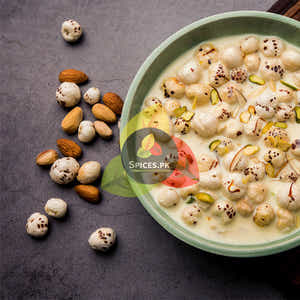
✔ Topping for kheer, halwa, seviyan, zarda, barfi, laddoo, and ice cream
✔ Natural sweetener for chai (dissolves slowly)
✔ Mixed with chiray (flattened rice) and coconut for a quick snack during fasts (vrat)
✔ Traditional gift during festivals and weddings (as shagun)
✨ Spices.pk – Authenticity you can taste. Our Sweet Makhana (میٹھے مکھانے) is the best choice for your Prasad, festive celebrations, and sweet cravings. Trust the original, trust Spices.pk. ✨
How to Use Sweet Makhana in Your Daily Life پاکستانی کچن ٹپس & Religious Uses
🛐
Prasad & Religious Offerings (پرساد / بھوگ): Place Sweet Makhana in a clean, dry bowl and offer to deities during daily prayers (puja) or on special occasions like Janmashtami, Diwali, Shivratri, and Navratri. After the ceremony, distribute the blessed sugar balls (Prasad) among family members and guests as a symbol of divine blessings. This is a traditional practice in Hindu, Jain, and Sikh households.
Sweetener for Chai (چائے میں میٹھاس): Drop 3‑4 Sweet Makhana pearls into a cup of hot chai (or doodh). They dissolve slowly, adding a unique, pleasant sweetness with a hint of cardamom. This is especially popular as a refined tea‑time treat in North Indian and Pakistani dhabas.
🍰
Decorative Topping for Desserts (مٹھائی کی سجاوٹ): Sprinkle Sweet Makhana over kheer, suji halwa, gajar ka halwa, sheerkhurma, custard, ice cream, or falooda. They add a delightful crunch and a festive white‑pearl look. Also used to decorate traditional barfi, laddoo, and peda for weddings and celebrations.
🥣
With Flattened Rice (Chiray) – Fast Snack (چیوڑے کے ساتھ): Mix Sweet Makhana with flattened rice (chawal ke chiray), fresh grated coconut, and a pinch of cardamom powder for a quick, light, and satisfying snack. This is especially popular during fasting periods (vrat, Navratri, Ekadashi) as a breakfast or evening snack.
🧊
Storage Tip (ذخیرہ): Store Sweet Makhana in an airtight glass jar in a cool, dry place away from direct sunlight and humidity. High humidity will cause the sugar balls to become sticky or melt. Properly stored, they remain fresh, crunchy, and flavorful for over 12 months. Do not refrigerate – condensation will ruin the texture.
📦 Ingredients: Pure Refined Sugar (Sucrose), Natural Cardamom (Elaichi) Flavour | No artificial colours, no preservatives, no additives, 100% vegetarian, halal.
🚚 Order now for fast delivery across Pakistan – from Spices.pk, your premium organic spice & traditional sweet store.
Spices.pk tree
Spices.pk | Premium Spices Banner – Desktop Only

Faqs

Collapsible content

✅ Are your spices 100% organic and pure?
Absolutely! We source directly from organic farmers in Pakistan and abroad. All our products – from Organic Turmeric Powder (Haldi) to Black Seeds (Kalonji) – are certified organic, no artificial colours, no preservatives, and no fillers. We regularly test for purity and heavy metals.
💰 Do you offer Cash on Delivery (COD) in Pakistan?
Yes! We offer Cash on Delivery to all cities in Pakistan, including Karachi, Lahore, Islamabad, Rawalpindi, Faisalabad, Multan, Peshawar, Quetta, and even remote areas. COD is free – you pay only when you receive your order.
🚚 How long does shipping take?
We process orders within 24 hours (except Sunday/holidays). Major cities: 2‑3 business days. Other cities: 3‑5 business days. Remote areas: up to 7 business days. You'll receive a tracking number via SMS/email once shipped.
🔄 What is your return / refund policy?
If you receive a damaged or wrong product, contact us within 7 days of delivery. We'll arrange a replacement or full refund (no extra cost). For unopened, resalable items you can return within 7 days (buyer pays return shipping). Refunds processed in 5‑7 business days.
📦 Can I buy spices in bulk or wholesale?
Yes! We supply hotels, restaurants, bakeries, and online resellers. For wholesale pricing on 1kg, 5kg, or 25kg packs, email us at contact@spices.pk or use our contact form. We also offer custom private labelling.
🌟 What makes your spices different from local market spices?
Most local market spices contain fillers or artificial colours. We provide single‑origin, lab‑tested spices with full traceability. Our Red Chilli Powder is 100% pure without brick powder or dye. Our Cinnamon Sticks have high essential oil content – you can taste the difference.
🔒 Is your packaging resealable and hygienic?
Yes! All our spices come in food‑grade, BPA‑free stand‑up pouches with zip‑lock. This keeps your spices fresh for months and prevents spilling. The packaging also includes batch number, expiry date, and storage instructions.
🌍 Do you ship internationally?
Currently we ship only within Pakistan (including AJK and Gilgit‑Baltistan). We plan to launch international shipping soon. For international customers, please ask a friend/relative in Pakistan to order on your behalf.
💳 Which payment methods do you accept?
We accept Cash on Delivery, credit/debit cards (Visa, Mastercard, Amex), EasyPaisa, JazzCash, and bank transfer for bulk orders. All online payments are PCI‑compliant – your card data is never stored on our servers.
🕌 Are your products Halal certified?
Yes – 100% Halal. We do not use any alcohol‑based processing, gelatin, or non‑halal ingredients. Many of our spices (e.g., Gond Katira, Kalonji) are used in traditional Islamic medicine. Halal certificate available on request.
🧴 How should I store spices to keep them fresh?
Store in a cool, dark, dry place (avoid above stove or near window). Keep the zip‑lock sealed. Whole spices last up to 2 years; ground spices best within 6‑8 months. Never use a wet spoon – moisture ruins them.
🍲 Do you sell whole spices, powders, or both?
We sell both! For each spice we usually offer whole, powder, and sometimes crushed/flakes. Check the product dropdown for options. Whole spices last longer; powders are more convenient.
Skip Details