Skip to product information
1 of 9
Daraz
Brand Logo Spices.pk
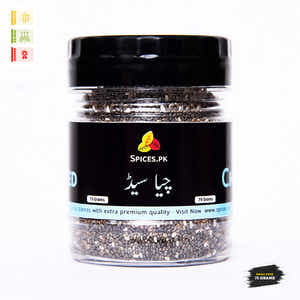
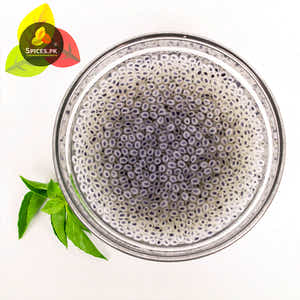
Tukham e Sharbati - Chia k Beej - Boodoor Ali Chia - تخمِ شربتی - Salvia Hispanica
Chia Seeds for Weight Loss (چیا سیڈ)
Whole - Seeds - Chia Seeds for weight Loss
0 only
Trust & Payment — Enhanced Visuals
Free Shipping
Orders over 2000 PKR
Secure Payment
256-bit SSL & fraud protection
24/7 Support
via WhatsApp & chat

⚡ Accepted Payment Methods

  • Visa
  • Mastercard
  • PayPal
✅ Trusted by 10,000+ customers · PCI compliant
SKU: 51214029512142
Barcode: 51214029512142
View full details

100% Organic Chia Seeds (چیا سیڈ / Tukhm‑e‑Sharbati) – Nutrient‑Rich Superfood for Daily Wellness

Welcome to Spices.pk, your most trusted source for pure, chemical‑free superfoods. Our premium Chia Seeds – known as Tukhm‑e‑Sharbati (تخم شربتی) or Sabja in Pakistan – are 100% organic, non‑GMO, and packed fresh. Tiny yet mighty, these seeds have been used for over 5,000 years by Aztec and Mayan warriors for endurance and energy. Rich in omega‑3 fatty acids (18g per 100g), dietary fibre (34g per 100g), and plant protein (16‑18g per 100g), they are a versatile ingredient for modern kitchens. Whether soaked in water for a refreshing drink, added to roti dough, blended into lassi, or used as a vegan egg replacer, chia seeds are a wonderful addition to a balanced lifestyle.

100% Organic Chia Seeds – Tukhm-e-Sharbati for Daily Wellness

Chia Seeds (چیا سیڈ)

Why Choose Spices.pk Chia Seeds (تخم شربتی)?

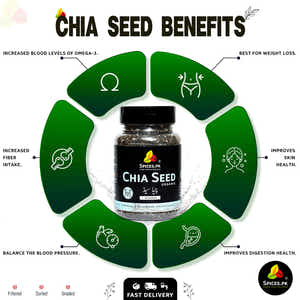
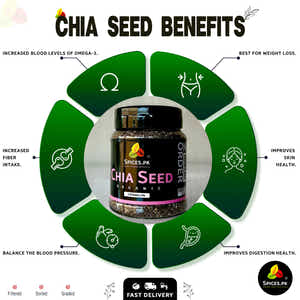
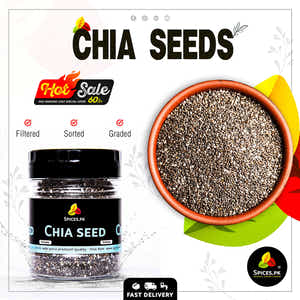
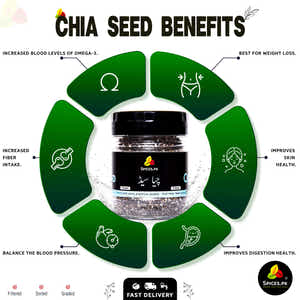
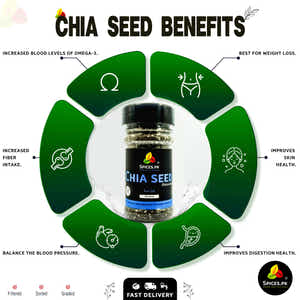
🥗High in Dietary Fibre – 34g per 100g, a great addition to meals for natural texture and fullness
🌱100% Organic & Non‑GMO – No pesticides, fillers, or preservatives; ethically sourced
🧠Rich in Omega‑3 (18g ALA per 100g) – Plant‑based fatty acids for everyday nutrition
💪Gluten‑Free, Keto‑Friendly & Vegan – High plant protein (16‑18g per 100g)
🕌Halal Certified – Pure, safe, and authentic for all Pakistani households
12+ Months Guaranteed Freshness – Premium airtight packaging; whole seeds stay fresh longer
Nutritional highlights of chia seeds – fibre, omega‑3, protein, minerals

What are Chia Seeds (تخم شربتی / Chia Seeds)?

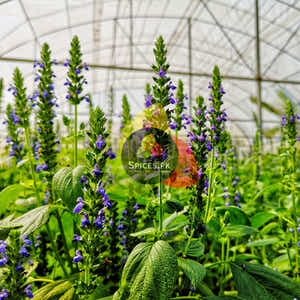
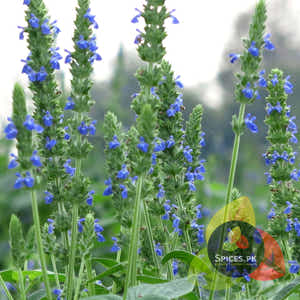
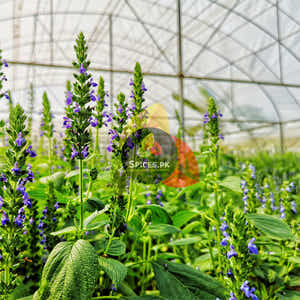
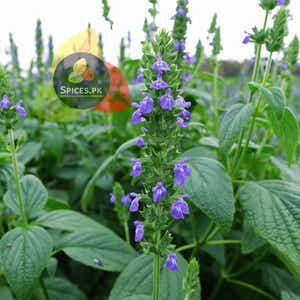
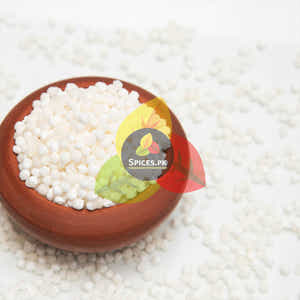
Chia seeds, known as Tukhm‑e‑Sharbati (تخم شربتی) or Sabja in Pakistan, are the edible seeds of the flowering plant Salvia hispanica, a member of the mint family. Native to central and southern Mexico and Guatemala, chia seeds were a staple food of the Aztecs and Mayans, who valued them for their ability to provide sustained energy – the word chia means “strength” in the Mayan language.

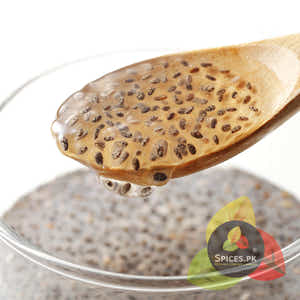
Nutritional profile per 100g of chia seeds: approximately 486 kcal, 42g carbohydrates (of which 34g is dietary fibre), 30g fat (of which 18g is the plant omega‑3 ALA – alpha‑linolenic acid), 16‑18g protein, and 0g sugar. They are also a good source of minerals: calcium (631mg), phosphorus (860mg), magnesium (335mg), manganese (2.7mg), and zinc (4.6mg). A unique property of chia seeds is their ability to absorb up to 12‑15 times their weight in water, forming a gel that adds texture to beverages and recipes.

Whether you are in Lahore, Karachi, or Islamabad, our premium organic chia seeds deliver the same nutrient density that ancient cultures relied on – now available fresh in Pakistan for your daily cooking and wellness.

A 5,500‑Year Legacy: The Ancient History of Chia Seeds

Chia seeds have been cultivated for over 5,500 years. They were a cornerstone of the Aztec and Mayan civilisations (2000‑1000 BCE), who considered them a sacred food. Aztec warriors consumed chia seeds before battle and on long journeys for endurance and energy – a single tablespoon was said to sustain a warrior for 24 hours. Chia was also used in religious offerings, as a medicine, and as a base for drinks and flour. The Codex Mendoza (16th century) documents that the Aztecs paid annual tributes to their rulers in chia seeds.

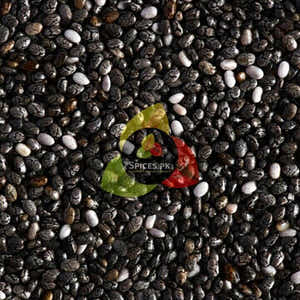
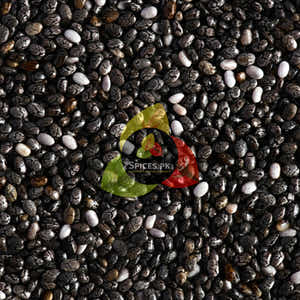
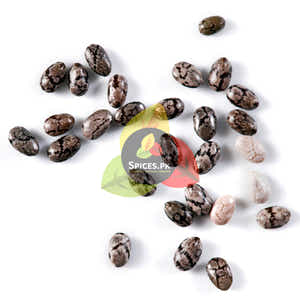
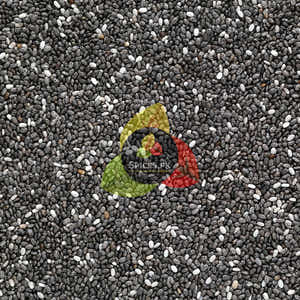
After the Spanish conquest of the Americas, chia cultivation was suppressed and nearly vanished for centuries, replaced by European crops. It was rediscovered in the 1990s by researcher Dr. Wayne Coates, who recognised its exceptional nutritional profile. Today, chia is a global superfood, with Paraguay, Argentina, Bolivia, and Mexico being the top producers. In South Asia, chia seeds are often confused with basil seeds (Tukhm Malanga / Sabja), but true chia seeds (Salvia hispanica) are smaller, oval, and have a mottled appearance (grey with black and white spots). Spices.pk brings you authentic, laboratory‑tested chia seeds – the same seeds that fuelled ancient empires.

🏷️Traditional Names & Languages (South Asia)
  • 🇵🇰🇮🇳 Urdu / Hindi: تخم شربتی / چیا سیڈ (Tukhm‑e‑Sharbati / Chia Seeds)
  • 🇮🇳 Sanskrit: चिया बीज (Chiya Beej)
  • 🇮🇳 Bengali: চিয়া বীজ (Chiya Bij)
  • 🇮🇳 Punjabi: ਚੀਆ ਬੀਜ (Chīā Bīj)
  • 🇮🇳 Gujarati: ચિયા બીજ (Chiyā Bīj)
  • 🇮🇳 Marathi: चिया बिया (Chiya Biya)
  • 🇮🇳 Tamil: சியா விதைகள் (Ciyā Vitaikaḷ)
  • 🇮🇳 Telugu: చియా గింజలు (Ciyā Gin̄jalu)
  • 🇮🇳 Kannada: ಚಿಯಾ ಬೀಜಗಳು (Ciyā Bījagaḷu)
  • 🇮🇳 Malayalam: ചിയ വിത്തുകൾ (Ciya Vithukal)
🌍Global Names & Botany
  • 🇬🇧 English: Chia Seeds / Salvia hispanica
  • 🇪🇸 Spanish: Semillas de chía
  • 🇫🇷 French: Graines de chia
  • 🇩🇪 German: Chiasamen
  • 🇮🇹 Italian: Semi di chia
  • 🇨🇳 Chinese: 奇亚籽 (Qí yà zǐ)
  • 🇯🇵 Japanese: チアシード (Chia shīdo)
  • 🇷🇺 Russian: Семена чиа (Semena chia)
  • 🇹🇷 Turkish: Chia tohumu
  • 🇦🇪 Arabic: بذور الشيا (Budhur al‑shia)
📜Nutritional & Culinary Highlights
✔ Dietary fibre: 34g per 100g – contributes to gel‑forming ability, ideal for puddings and drinks.
✔ Omega‑3 ALA: 18g per 100g – plant‑based fatty acids.
✔ Plant protein: 16‑18g per 100g – supports everyday nutrition.
✔ Natural gel formation: absorbs 12‑15x its weight in water – great for texture in recipes.
✔ Rich in minerals: calcium, magnesium, phosphorus, manganese, zinc.
📌Dietary Fibre & Satiety
Chia seeds are naturally high in soluble fibre. When soaked in liquid, they form a gel that adds bulk to recipes. This makes them a popular ingredient in overnight puddings, smoothies, and baked goods. The fibre content also contributes to a pleasant, filling texture without the need for artificial thickeners.
📌Digestive Wellness
The combination of soluble and insoluble fibre in chia seeds supports normal digestive processes. The gel‑like consistency can help maintain regularity when consumed as part of a balanced diet with adequate fluid intake. Traditionally, chia seeds have been used in beverages across many cultures.
📌Heart Friendly Nutrients
Chia seeds are one of the richest plant sources of alpha‑linolenic acid (ALA), a type of omega‑3 fatty acid. ALA is an essential nutrient that the body cannot produce on its own. Including chia seeds as part of a varied diet helps ensure adequate intake of this important fatty acid.
🏭Top Producing Countries (Chia Seeds, 2025)
🌍 Global chia seed production exceeds 250,000 tonnes annually. Top producers: 🇵🇾 Paraguay (largest, 69,640+ tons exported annually, fertile soils and ideal climate), 🇦🇷 Argentina (historical powerhouse), 🇧🇴 Bolivia (high‑quality organic, strict production standards), 🇲🇽 Mexico (traditional “cradle of chia” – origin of Salvia hispanica), 🇪🇨 Ecuador, 🇦🇺 Australia, 🇵🇪 Peru, 🇬🇹 Guatemala, 🇰🇪 Kenya, 🇮🇳 India. Paraguay and Bolivia together account for over 70% of global supply.
📤Top Exporters (Chia Seeds, 2024‑2025)
  • 🇵🇾 Paraguay – world’s leading exporter (69,640+ tons annually) to USA, Europe, Japan, South Korea, Australia
  • 🇧🇴 Bolivia – second largest, known for organic and fair‑trade chia
  • 🇦🇷 Argentina – third, with well‑established supply chains
  • 🇲🇽 Mexico – fourth, traditional variety
  • 🇦🇺 Australia – emerging exporter to Asia and Middle East
  • 🇨🇳 China – imports and re‑exports processed chia
  • 🇮🇳 India – small‑scale exports to South Asia and Middle East
  • 🇵🇰 Pakistan – imports most chia seeds from Paraguay, Bolivia, and India; growing domestic demand
Historical Background: From Aztec Warriors to Modern Superfood
Chia seeds were a dietary staple of the Aztecs, Mayans, and other pre‑Columbian civilisations. Aztec warriors consumed chia before battle for endurance. The seeds were also used in religious ceremonies, as offerings to gods, and as a base for drinks. After the Spanish conquest (16th century), chia cultivation was suppressed and nearly disappeared. Rediscovered in the 1990s by Dr. Wayne Coates, chia is now a global superfood. In Pakistan, chia is traditionally called Tukhm‑e‑Sharbati (“beverage seeds”) because they were used in summer sherbets (sharbat). Today, chia seeds are appreciated for their nutritional density and culinary versatility.
✨ Spices.pk – Authenticity you can taste. Our Organic Chia Seeds (تخم شربتی) are a wonderful addition to your daily meals. Trust the original, trust Spices.pk. ✨
How to Use Chia Seeds (تخم شربتی) Pakistani Kitchen & Culinary Ideas
🧋
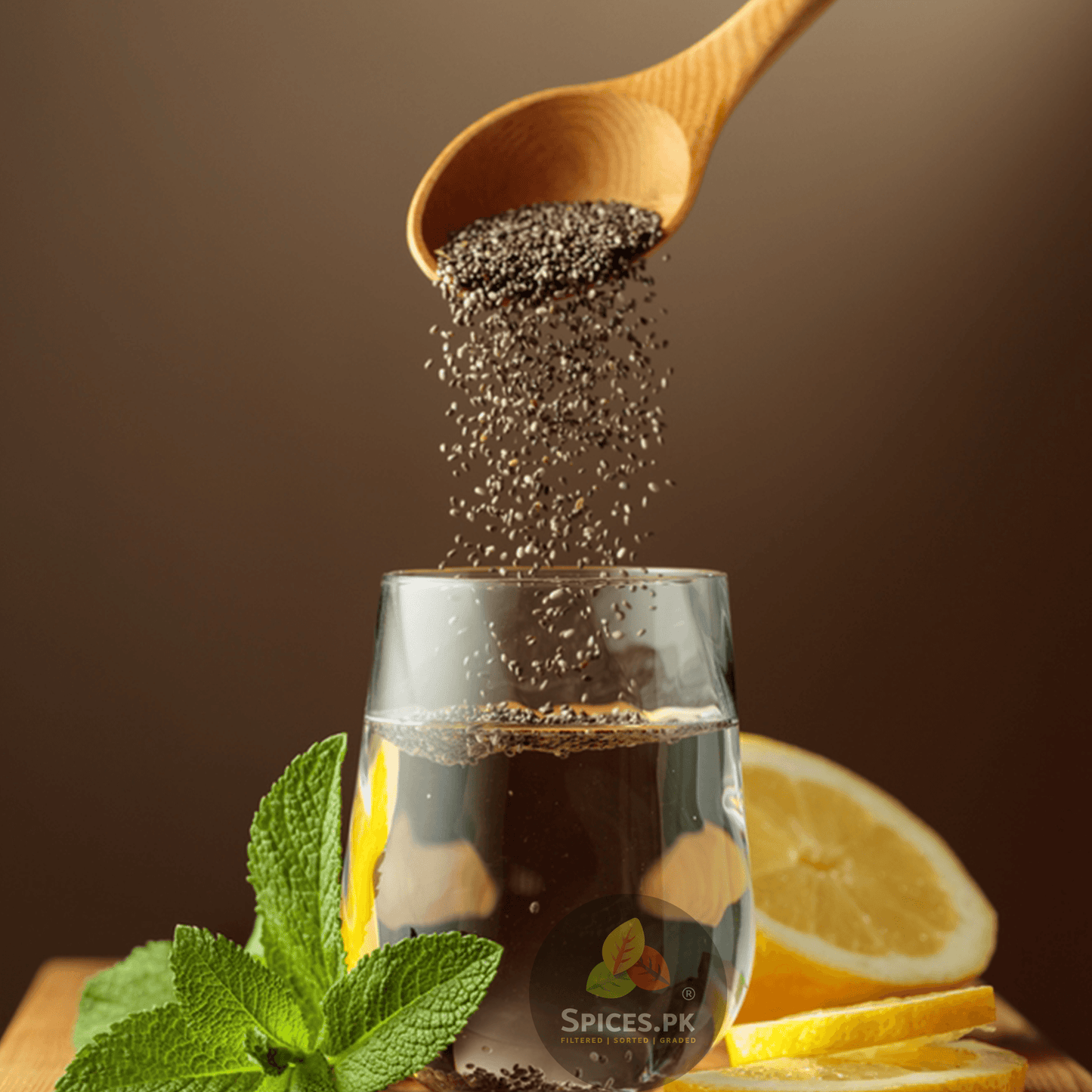
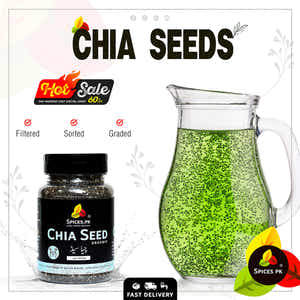
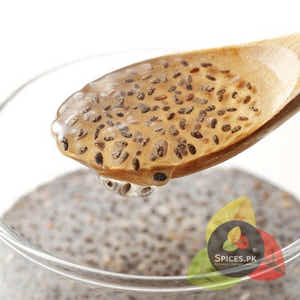
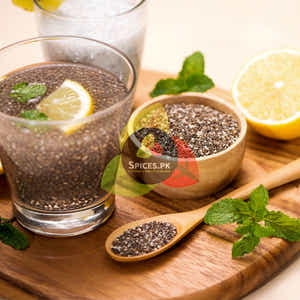
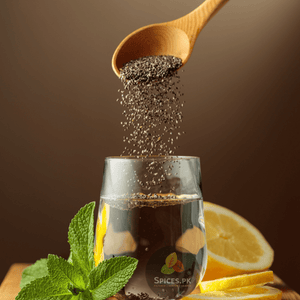
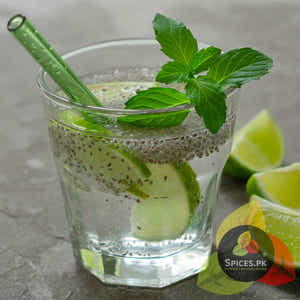
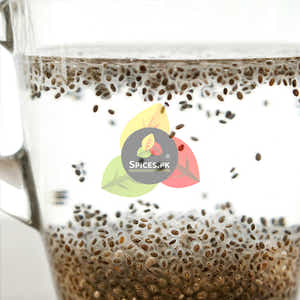
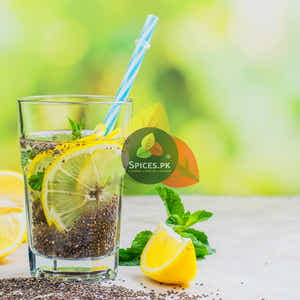
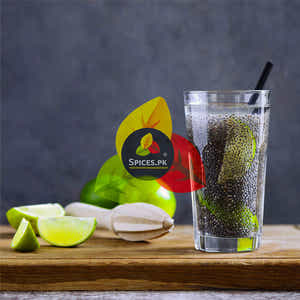
Hydrating Chia Sherbet (وزن کم کرنے کا شربت): Soak 1 tablespoon of chia seeds in 1 cup of water for 15‑20 minutes until a gel forms. Add lemon juice, a pinch of black salt, and 1 teaspoon of honey. Enjoy as a refreshing summer drink – naturally thick and nutritious.
🫓
Roti / Dough (روٹی میں اضافہ): Sprinkle 1‑2 tablespoons of whole or ground chia seeds into whole wheat flour while kneading dough. The seeds add extra fibre and a pleasant nutty taste, and they help keep rotis softer for longer.
🥭
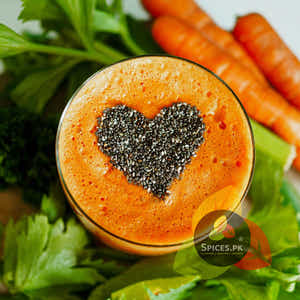
Smoothies, Lassi & Sharbat (سموتھی اور لسی): Add 2 tablespoons of soaked chia gel to mango lassi, buttermilk (chaas), or traditional summer sharbat (lemon, rooh afza, or falsa). The gel adds a fun, jelly‑like texture and boosts the drink’s fibre content.
🍮
Overnight Chia Pudding (چیا پڈنگ): Mix 2 tablespoons of chia seeds with 1 cup of milk (dairy or plant‑based like almond, coconut, or oat milk). Add 1 teaspoon of honey or jaggery and a pinch of cardamom. Refrigerate overnight (or for 4‑6 hours). Top with fresh fruits, nuts, and coconut flakes – a filling breakfast or dessert.
🥚
Vegan Egg Replacer in Baking (انڈے کا متبادل): For egg‑free baking, mix 1 tablespoon of finely ground chia seeds with 3 tablespoons of water. Let it sit for 5‑10 minutes until it forms a thick, gel‑like consistency. Use this mixture to replace 1 egg in pancakes, cakes, muffins, cookies, and even roti dough.
🧊
Storage Tip (ذخیرہ): Store chia seeds in an airtight glass jar in a cool, dry cupboard away from direct sunlight. For humid cities like Karachi, Lahore, or during monsoon season, keep the seeds in the refrigerator to preserve freshness. Whole seeds, properly stored, remain fresh for 12‑24 months. Never expose to moisture in the container.
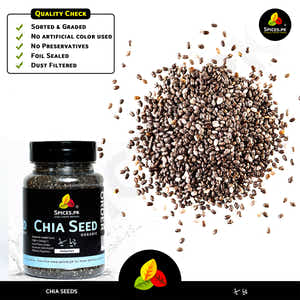
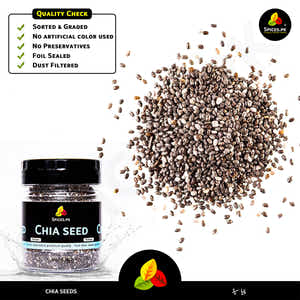
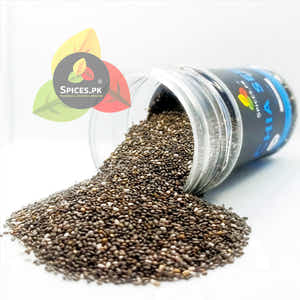
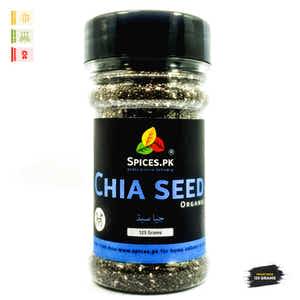
📦 Ingredients: 100% Raw Organic Chia Seeds (Salvia hispanica) – Black and White mix, non‑GMO, no additives, no preservatives, naturally gluten‑free & vegan.
🚚 Order now for fast delivery across Pakistan – from Spices.pk, your premium organic spice & superfood store.
Spices.pk tree
Spices.pk | Premium Spices Banner – Desktop Only

Faqs

Collapsible content

✅ Are your spices 100% organic and pure?
Absolutely! We source directly from organic farmers in Pakistan and abroad. All our products – from Organic Turmeric Powder (Haldi) to Black Seeds (Kalonji) – are certified organic, no artificial colours, no preservatives, and no fillers. We regularly test for purity and heavy metals.
💰 Do you offer Cash on Delivery (COD) in Pakistan?
Yes! We offer Cash on Delivery to all cities in Pakistan, including Karachi, Lahore, Islamabad, Rawalpindi, Faisalabad, Multan, Peshawar, Quetta, and even remote areas. COD is free – you pay only when you receive your order.
🚚 How long does shipping take?
We process orders within 24 hours (except Sunday/holidays). Major cities: 2‑3 business days. Other cities: 3‑5 business days. Remote areas: up to 7 business days. You'll receive a tracking number via SMS/email once shipped.
🔄 What is your return / refund policy?
If you receive a damaged or wrong product, contact us within 7 days of delivery. We'll arrange a replacement or full refund (no extra cost). For unopened, resalable items you can return within 7 days (buyer pays return shipping). Refunds processed in 5‑7 business days.
📦 Can I buy spices in bulk or wholesale?
Yes! We supply hotels, restaurants, bakeries, and online resellers. For wholesale pricing on 1kg, 5kg, or 25kg packs, email us at contact@spices.pk or use our contact form. We also offer custom private labelling.
🌟 What makes your spices different from local market spices?
Most local market spices contain fillers or artificial colours. We provide single‑origin, lab‑tested spices with full traceability. Our Red Chilli Powder is 100% pure without brick powder or dye. Our Cinnamon Sticks have high essential oil content – you can taste the difference.
🔒 Is your packaging resealable and hygienic?
Yes! All our spices come in food‑grade, BPA‑free stand‑up pouches with zip‑lock. This keeps your spices fresh for months and prevents spilling. The packaging also includes batch number, expiry date, and storage instructions.
🌍 Do you ship internationally?
Currently we ship only within Pakistan (including AJK and Gilgit‑Baltistan). We plan to launch international shipping soon. For international customers, please ask a friend/relative in Pakistan to order on your behalf.
💳 Which payment methods do you accept?
We accept Cash on Delivery, credit/debit cards (Visa, Mastercard, Amex), EasyPaisa, JazzCash, and bank transfer for bulk orders. All online payments are PCI‑compliant – your card data is never stored on our servers.
🕌 Are your products Halal certified?
Yes – 100% Halal. We do not use any alcohol‑based processing, gelatin, or non‑halal ingredients. Many of our spices (e.g., Gond Katira, Kalonji) are used in traditional Islamic medicine. Halal certificate available on request.
🧴 How should I store spices to keep them fresh?
Store in a cool, dark, dry place (avoid above stove or near window). Keep the zip‑lock sealed. Whole spices last up to 2 years; ground spices best within 6‑8 months. Never use a wet spoon – moisture ruins them.
🍲 Do you sell whole spices, powders, or both?
We sell both! For each spice we usually offer whole, powder, and sometimes crushed/flakes. Check the product dropdown for options. Whole spices last longer; powders are more convenient.
Skip Details