



 Spices.pk
⚡ Accepted Payment Methods


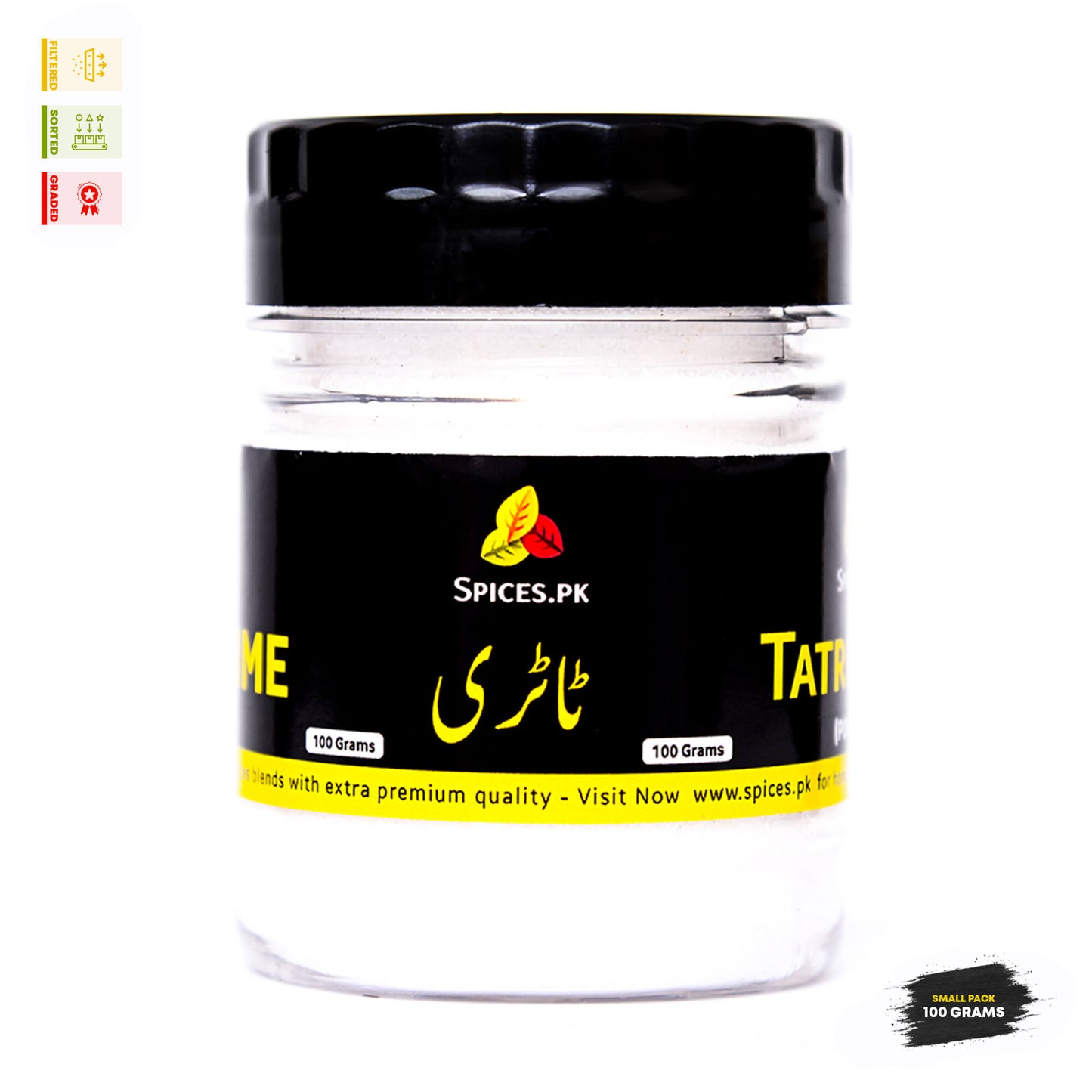
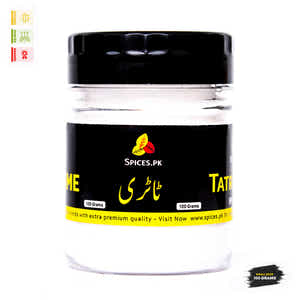
Premium Tatri Lime – Citric Acid (ٹاٹری) – 100g – All‑Natural Souring Agent, Preservative & pH Regulator for Pakistani Kitchen, Baking & Beverages
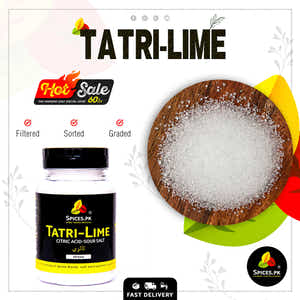
Welcome to Spices.pk, your most trusted source for 100% natural, chemical‑free spices and culinary essentials. Our premium Citric Acid – Tatri (ٹاٹری / نیمبو کا پھول / Tatrii Dana) is a fine, white crystalline powder derived naturally from citrus fruits like lemons and limes, prized for its sharp, sour taste and the ability to enhance flavours without adding any extra liquid. From the bustling streets of Lahore to the kitchens of Karachi and the mountains of the north, Tatri has been a trusted kitchen companion for generations. It imparts that perfect tang to gol gappa pani, chatkhara, fruit chaat, and nimbu paani, and is the secret behind the crispness of jalebis, the softness of dhokla, and the long shelf life of homemade jams, pickles, and chutneys. Beyond its culinary magic, Tatri acts as a powerful natural preservative, slowing down spoilage and oxidation in foods. It is also widely used in Pakistani homes as an effective descaler for removing lime scale and hard water stains, and as a gentle pH balancer in beauty and cleaning products. Packed fresh in Pakistan, our Tatri is food‑grade, halal, and free from any artificial additives – ready to bring the perfect balance of sour to every dish.

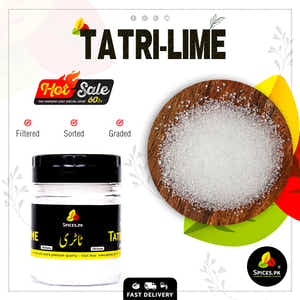
Tatri Lime - Citric (ٹاٹری)
Why Choose Spices.pk Tatri (Citric Acid)?

What Is Tatri (Citric Acid / ٹاٹری)?
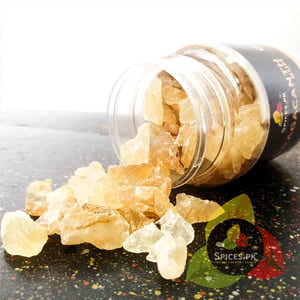
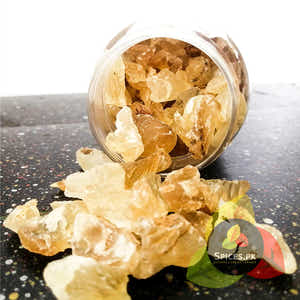
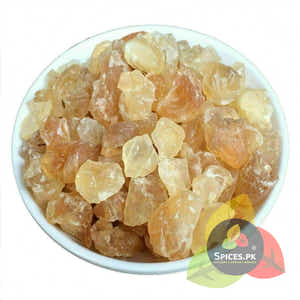
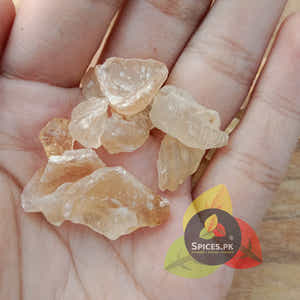
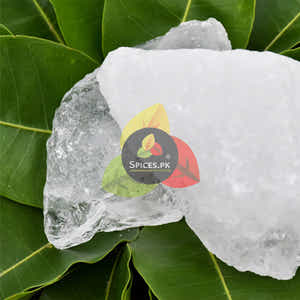
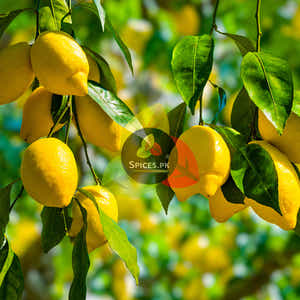
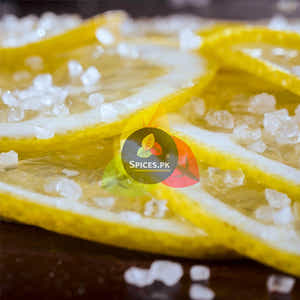
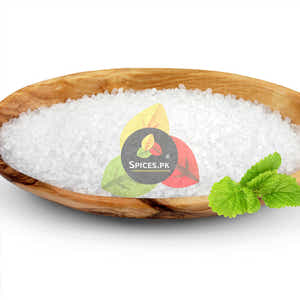
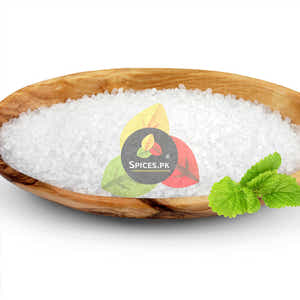
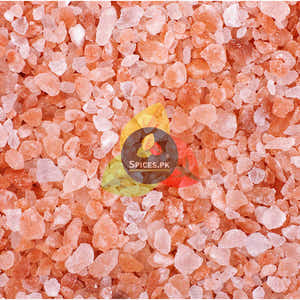
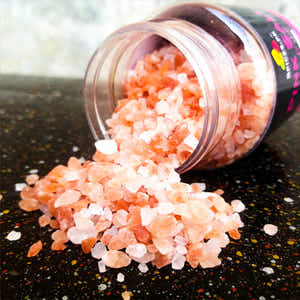
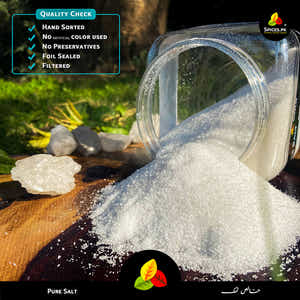
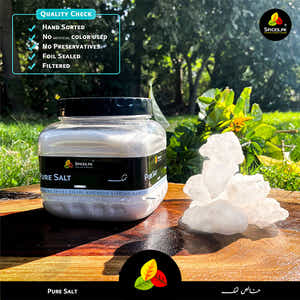
Tatri, also known in South Asia as Citric Acid, Nimbu ka Phool (نیمبو کا پھول), Nimbu Sat (نیمبو ست), or Tatrii Dana (ٹاٹری دانہ), is a weak organic acid that occurs naturally in citrus fruits, especially lemons and limes. In its commercial form, it is a fine, white crystalline powder that looks similar to salt but has a much more intense, mouth‑puckering, sour taste. The word “Tatri” comes from the Urdu and Hindi word for sourness or acidity, perfectly describing its primary function in the kitchen.
Chemically, citric acid is a tricarboxylic acid with the formula C6H8O7, meaning each molecule contains three carboxyl groups (‑COOH). This chemical structure makes it extremely effective at lowering the pH of solutions (increasing acidity), chelating (binding) metal ions, and acting as a natural preservative. The sour taste that we associate with lemons and limes is caused almost entirely by the citric acid they contain.
The use of citric acid in South Asian kitchens is deeply traditional. It is the essential ingredient behind the “khatta” (sour) flavour in countless street foods and home recipes. A few crystals dissolved in water instantly transform into a tangy pani for gol gappas. A pinch added to the batter makes jalebis crisp and dhoklas soft and airy. A teaspoon of Tatri in homemade jam, murabba, achar, or chutney ensures that it stays fresh for months without any artificial preservatives. It is the preferred souring agent for making fresh, soft paneer (cottage cheese), replacing traditional methods that use buttermilk or lime juice. The convenience is that Tatri provides a predictable, consistent, and highly concentrated sour flavour without altering the water content or colour of the dish.
Beyond cooking, Tatri is a versatile household helper. Its chelating properties make it a powerful and eco‑friendly descaler, perfect for removing lime scale buildup from kettles, kitchen sinks, bathroom taps, and hard water stains. The global market for citric acid has been valued at around US$ 2 billion in 2025 and is estimated to grow to nearly US$ 2.55 billion by 2032, driven by its widespread use in food processing, pharmaceuticals, and cleaning products. However, in Pakistan, the true value of Tatri lies in its ability to bring authentic, natural sourness to the foods that define our culture.
A Journey from Ancient Lemons to Modern Pakistani Kitchens
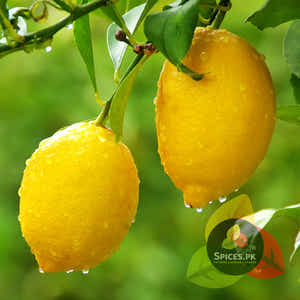
The history of Tatri (citric acid) is as old as civilisation itself. For centuries, people have known about the unique sour taste of citrus fruits, and the Arabian alchemist Jabir ibn Hayyan (Geber) is believed to have first identified citric acid as a distinct substance in the 9th century. However, it was not until 1784 that the Swedish‑German chemist Carl Wilhelm Scheele successfully isolated citric acid in its pure crystalline form from lemon juice. He achieved this by adding lime (calcium hydroxide) to the juice to precipitate calcium citrate, and then treating it with sulphuric acid to release the citric acid. For nearly 150 years, citric acid was produced by this expensive method, using imported Italian lemons, which meant it remained a rare and costly ingredient.
The breakthrough came in the early 20th century when scientists discovered that a common black mould, Aspergillus niger, could produce huge quantities of citric acid by feeding on cheap sugar. By 1919, American chemist James Currie had perfected the industrial fermentation process, which is still the standard method used today. The vast majority of the world’s citric acid is now produced through this fermentation of molasses or corn starch, not by squeezing lemons.
In Pakistan, the journey of Tatri followed the nation’s history. During the colonial era, citric acid was a luxury import. After independence, as local industries grew and imports became more accessible, citric acid became a common item in general stores and kiryana shops. It was enthusiastically adopted by Pakistani home cooks who understood its value – a small bottle of Tatri could replace dozens of fresh lemons, offering a consistent and long‑lasting source of sourness. Today, from the dhabas of Peshawar to the food streets of Lahore and the high‑rise apartments of Karachi, a small jar of Tatri remains an indispensable tool for making chaat, chutney, nimbu paani, and countless other traditional dishes.








































































































































Faqs


