



 Spices.pk
⚡ Accepted Payment Methods


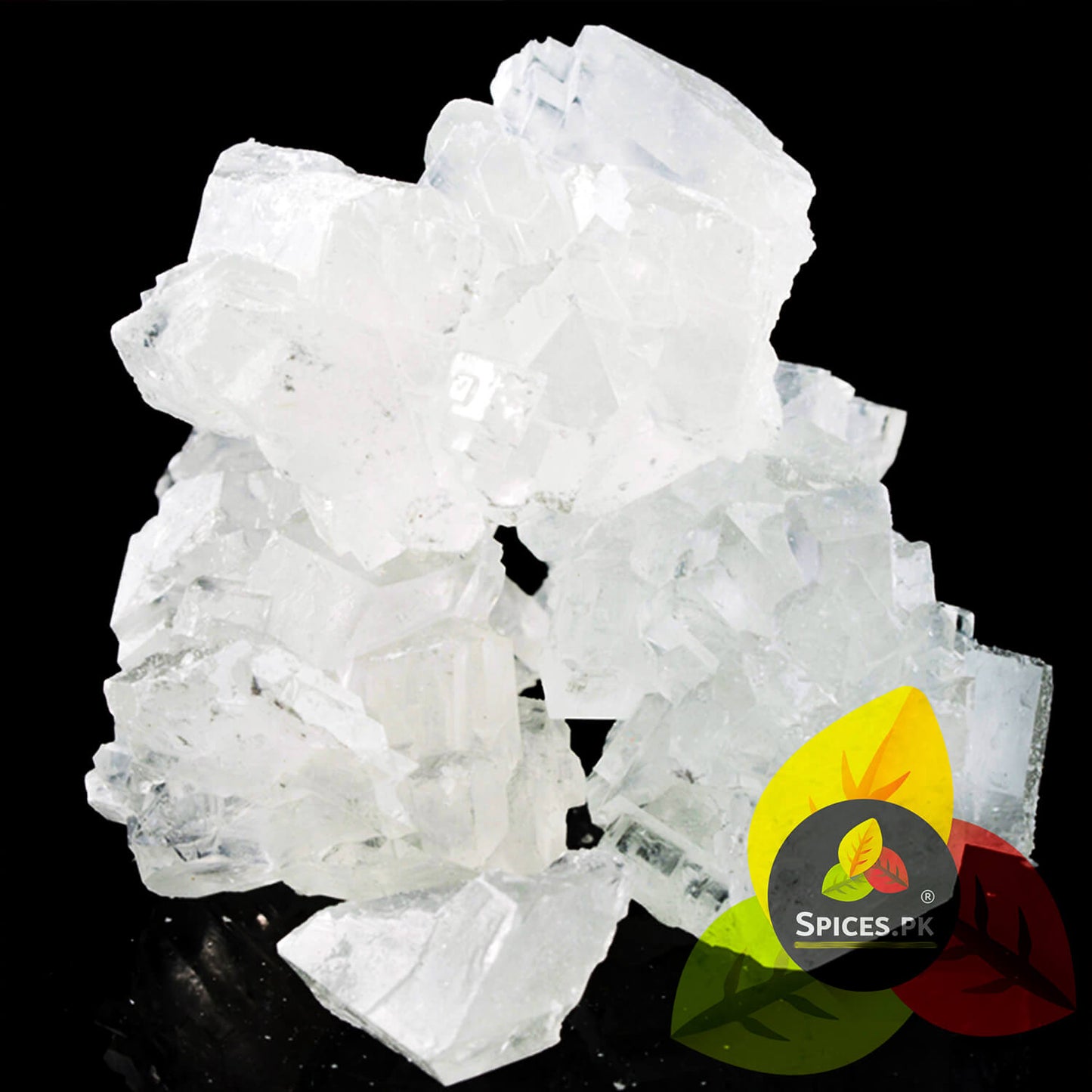
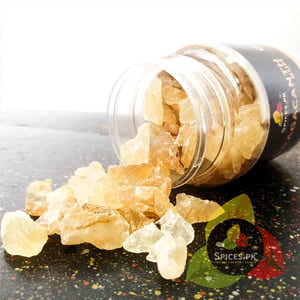
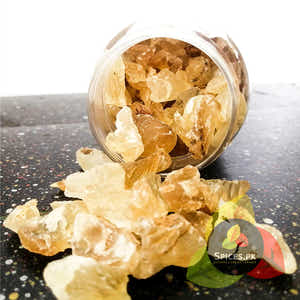
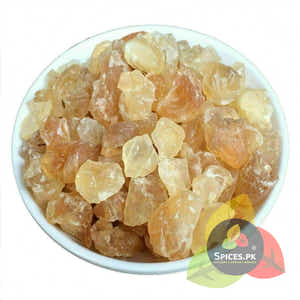
Kuja Mishri (کوزہ مصری) – Pure Ayurvedic Rock Sugar for Cooling Energy, Respiratory Health & Natural Sweetness
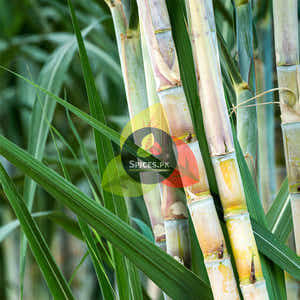
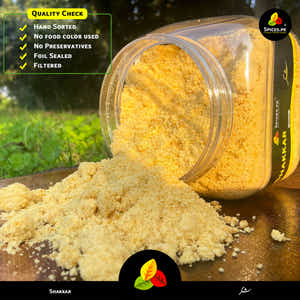
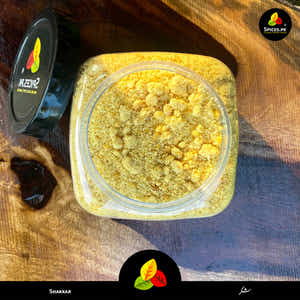
Welcome to Spices.pk, your most trusted source for 100% organic, chemical‑free spices, superfoods and traditional sweeteners. Our premium Kuja Mishri (کوزہ مصری / Rock Sugar) is a traditional crystallized sugar made by slow cooling of pure sugarcane juice using an ancient 9th‑century Persian technique. Unrefined, unbleached, and packed fresh in Pakistan, this Ayurvedic superfood not only sweetens your chai and desserts but also offers scientifically backed health benefits – from soothing coughs and sore throats to balancing Vata & Pitta doshas – for your entire family.

Kuja Mishri (کوزہ مصری)
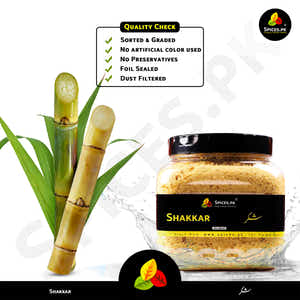
Why Choose Spices.pk Kuja Mishri?

What is Kuja Mishri (کوزہ مصری)?
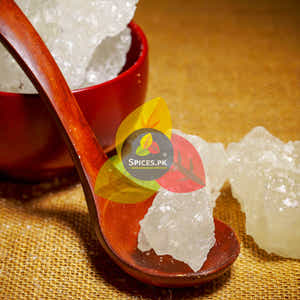
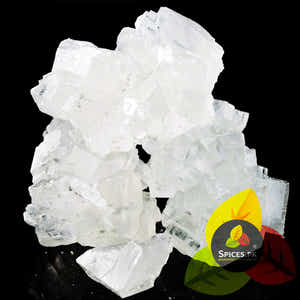
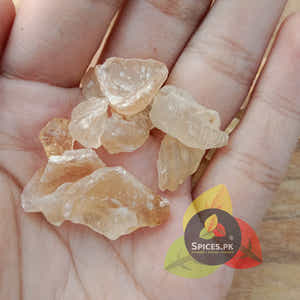
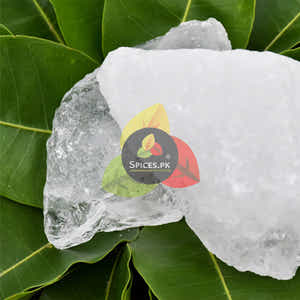
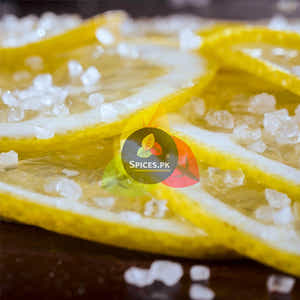
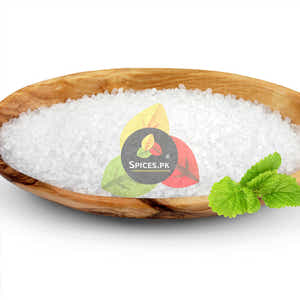
Kuja Mishri (کوزہ مصری / Rock Sugar) is a traditional crystallized sweetener made by slow cooling of supersaturated sugarcane juice or palm sap. Unlike highly processed white sugar, Kuja Mishri retains trace minerals (calcium, iron, phosphorus, magnesium) and is celebrated for its therapeutic properties in Ayurveda, Unani, and South Asian households for over 1,200 years. Its distinctive pot‑like shape (Kuja = pot in Persian/Urdu) gives it the name, and it has a mild, caramel‑like sweetness with a cooling (śīta) virya (potency).
Nutritionally, 100g of Kuja Mishri provides approximately 385‑400 kcal, 99‑100g carbohydrates (primarily sucrose), and trace amounts of calcium (5‑15mg), iron (0.2‑0.5mg), phosphorus (2‑5mg), and potassium (2‑8mg). While still a sugar, its crystalline structure dissolves slowly, leading to a more gradual blood sugar release compared to refined white sugar. It has been used in classical Ayurvedic formulations like Chyawanprash, Sitopaladi Churna, and Talisadi Churna as a carrier and synergistic sweetener.
Whether you live in Lahore, Karachi, Islamabad, Rawalpindi or any other city in Pakistan, our premium Kuja Mishri delivers the authentic, traditional sweetness that generations of Pakistani families have cherished for its flavour and healing properties.
The 9th‑Century Origins of Rock Sugar
Crystallized sugar, the earliest form of sugar confection, was first described by Islamic writers in the first half of the 9th century (e.g., Ibn Khurdadhbih and Al‑Razi). Production involved cooling supersaturated sugar solutions to grow large crystals – a technique that originated in Persia (modern‑day Iran) and later spread along the Silk Road to South Asia, China, and Europe. In the Indian subcontinent, Kuja Mishri became integral to Ayurvedic medicine, royal Mughal kitchens, and daily rituals. Historical texts such as the Bhavaprakasha (16th century) and Charaka Samhita (with later additions) mention khaṇḍa śarkarā (rock sugar) as a rasayana (rejuvenative). Over centuries, it has remained a symbol of purity, hospitality, and wellness – often offered to guests after meals as a mouth freshener and digestive aid.





































































































































Faqs


