



 Spices.pk
⚡ Accepted Payment Methods


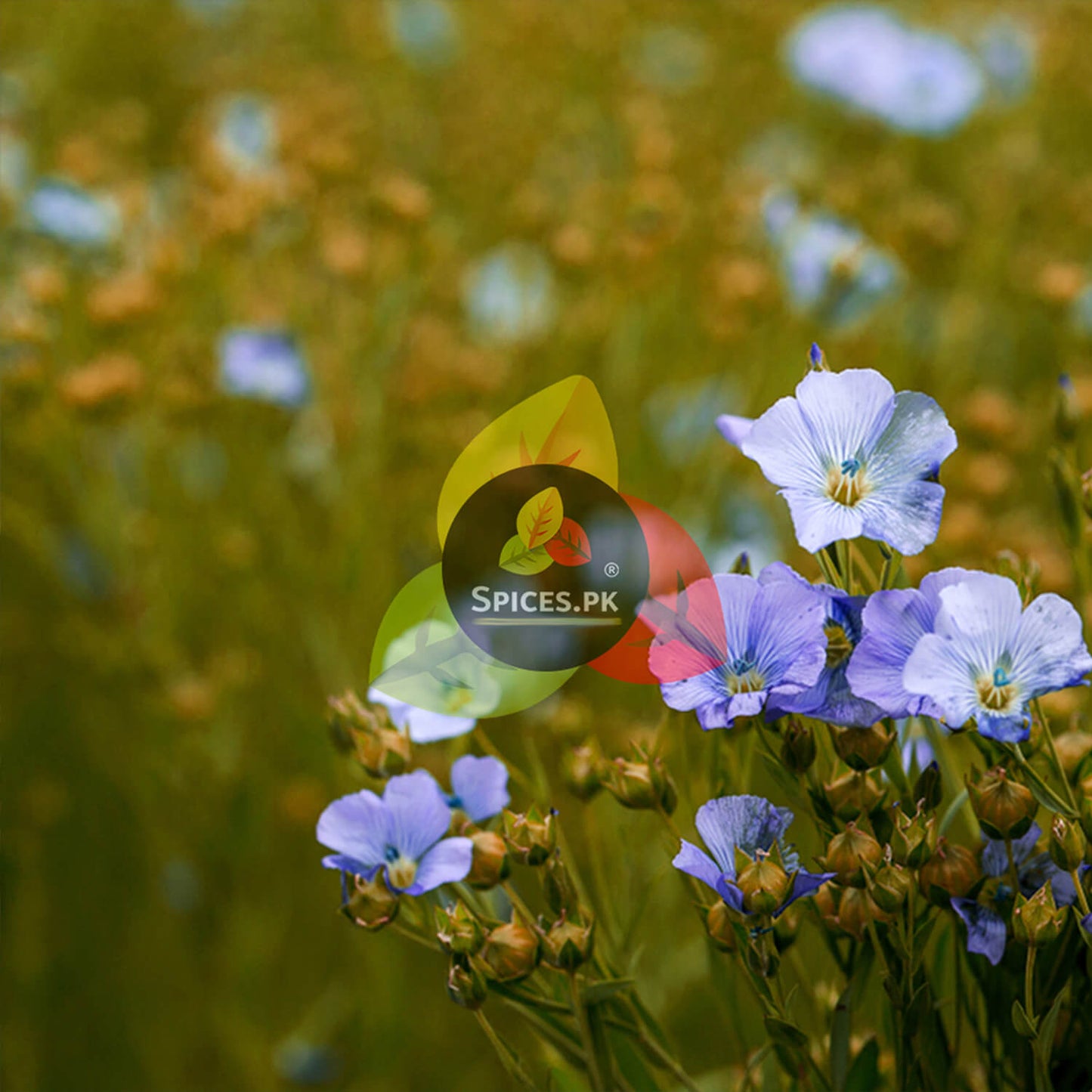
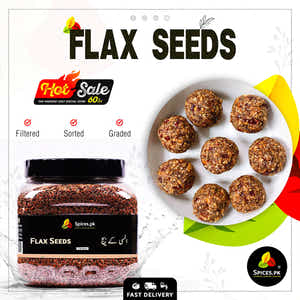
Organic Flax Seeds (السی / Alsi) – Plant‑Based Omega‑3 & Fibre‑Rich Superfood
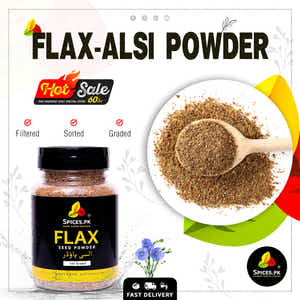
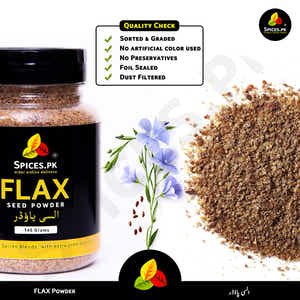
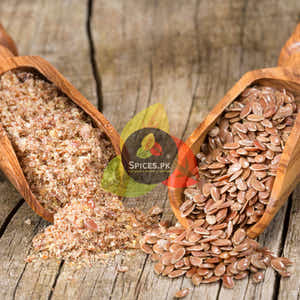
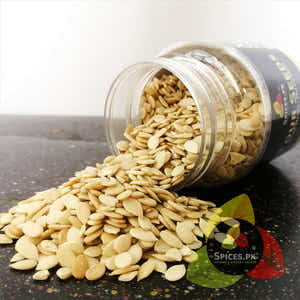
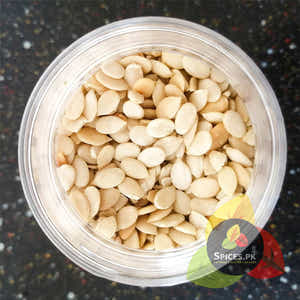
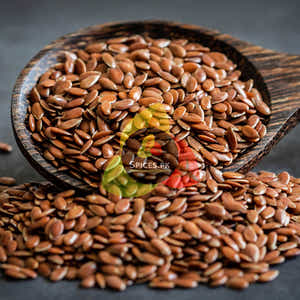
Welcome to Spices.pk, your most trusted source for 100% organic, chemical‑free spices and superfoods. Our premium Flax Seeds – Alsi (السی کے بیج / Linum usitatissimum) are brown, raw, and carefully sourced for maximum nutrient density. These tiny seeds are naturally rich in alpha‑linolenic acid (ALA) – a plant‑based omega‑3 – along with 28g of dietary fibre per 100g, high‑quality protein, and unique lignans. Flax seeds have been cultivated for over 8,000 years. Whether ground into roti, soaked as a sharbat, or made into traditional winter pinni, Alsi is a wonderful addition to your daily meals.

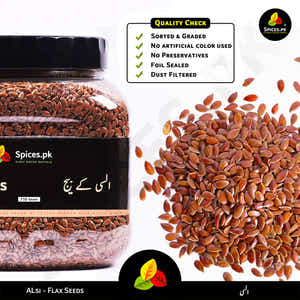
Flax Seeds (Alsi / السی)
Why Choose Spices.pk Flax Seeds (Alsi / السی)?

What are Flax Seeds – Alsi (السی کے بیج)?
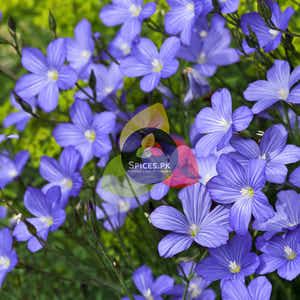
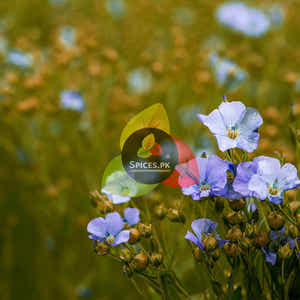
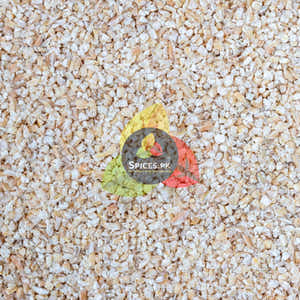
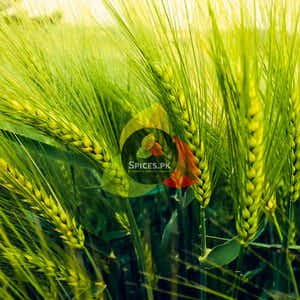
Flax seeds, known as Alsi (السی) or Alsi ke Beej in Urdu, are the small seeds of the Linum usitatissimum plant – a name that literally means “most useful”. These brown or golden seeds have been valued for thousands of years, both as a food and for their strong fibre (linen).
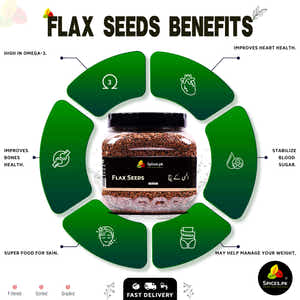
Nutritional profile per 100g of flax seeds: approximately 534 kcal, 42g healthy fats (of which 22‑28g is the plant omega‑3 ALA – alpha‑linolenic acid), 18g protein, 29g carbohydrates (almost entirely dietary fibre – 28g total fibre), and 3g sugars. They are also a good source of magnesium (392mg), phosphorus (642mg), copper (1.2mg), thiamine (vitamin B1 – 1.6mg), and manganese (2.5mg). Flax seeds naturally contain lignans – unique phytonutrients.
Whether you sprinkle ground flax on yoghurt, add it to roti dough, soak it overnight for a refreshing sharbat, or make traditional winter pinni, flax seeds deliver a rare combination of fibre, omega‑3, and lignans – making them a nutritious ingredient for your kitchen.
An 8,000‑Year Legacy: The Ancient History of Flax
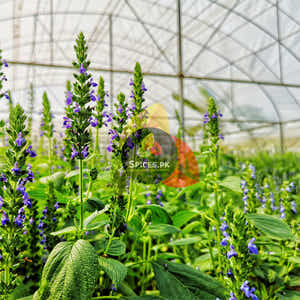
Flax is one of the oldest cultivated plants in human history. It was among the first crops to be domesticated in the Fertile Crescent more than 8,000 years ago. Archaeological evidence shows that Neolithic communities grew flax not only for its seeds but also for its strong, versatile fibres, which were used to make linen – a fabric so valued that it became a form of currency in ancient Egypt. In fact, the ancient Egyptians considered flax sacred; it was used in mummification rituals, and the finest linen was reserved for high priests and pharaohs (the tomb of Tutankhamun contained linen wrappings).
From the Mediterranean and the Middle East, flax cultivation spread across Europe, Asia, and Africa. Over millennia, different varieties were developed: the tall, slender “fibre flaxes” grown in cooler regions for linen, and the shorter, seed‑focused “oilseed flaxes” that became a staple in South Asia, including Pakistan. In traditional South Asian dietary practices, flax seeds (Alsi) have been used for centuries as a valued food ingredient. The Greek physician Hippocrates wrote about flax in his historical works, and Charlemagne passed laws encouraging his subjects to include it in their daily meals. Today, the same seeds that clothed Egyptian royalty and kept ancient armies nourished are recognised globally as a nutritious food – with Canada, Kazakhstan, Russia, China, and India being top producers.


































































































































Faqs


