



 Spices.pk
⚡ Accepted Payment Methods


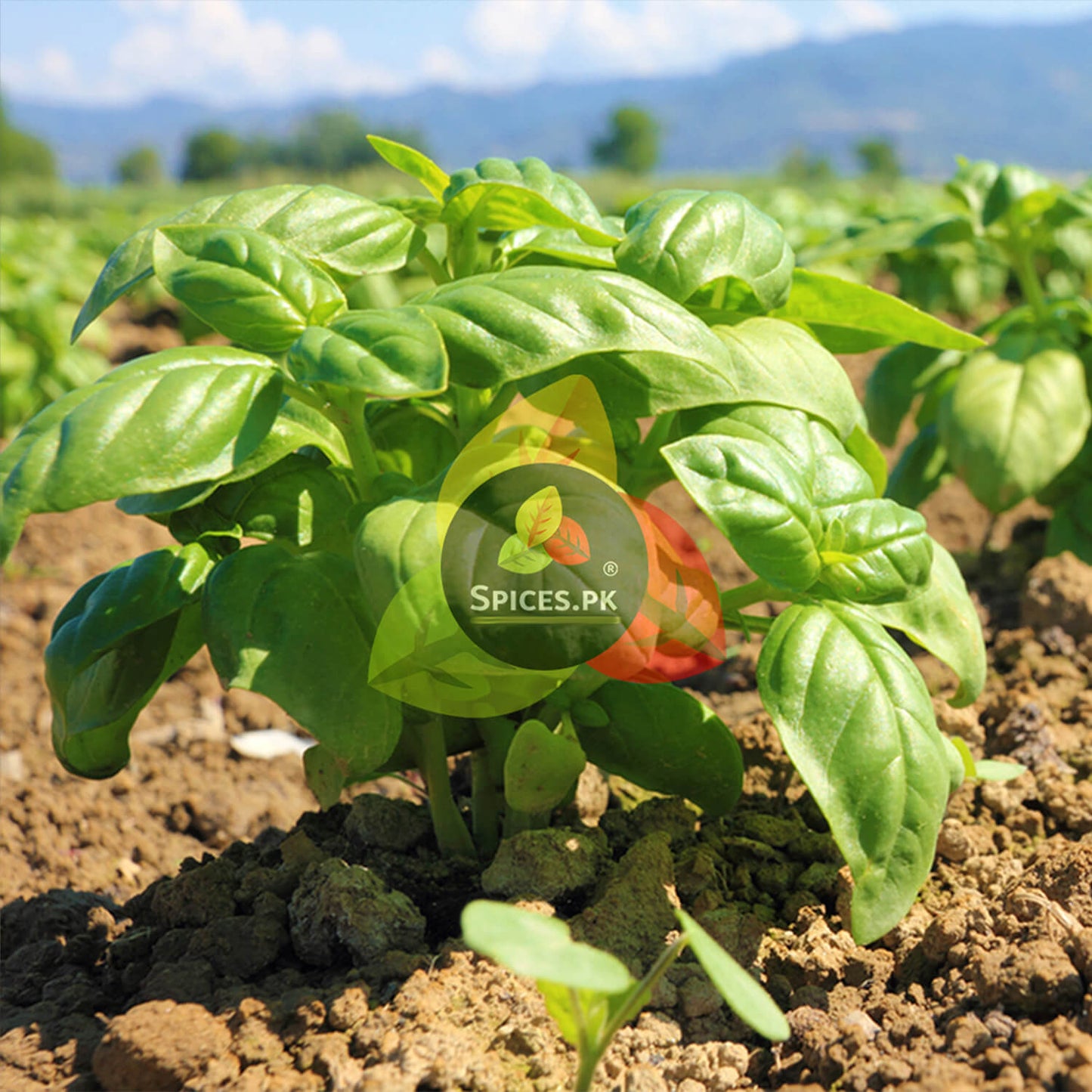
Organic Basil Seeds – Tukh Malanga (تخم ملنگا) – Natural Body Coolant, Digestive Aid & High-Fibre Superfood for Weight Loss
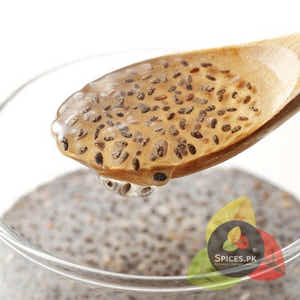
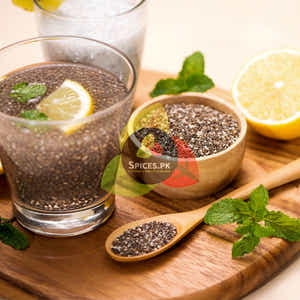
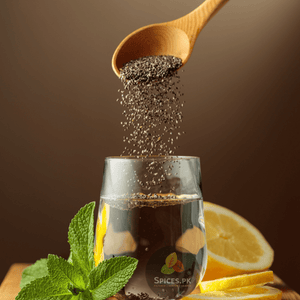
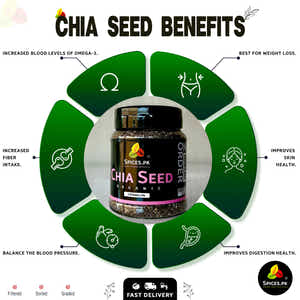
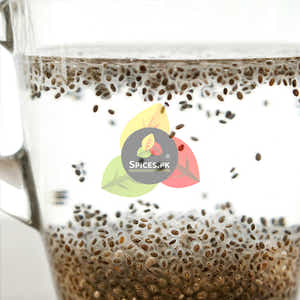
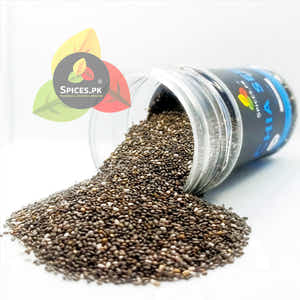
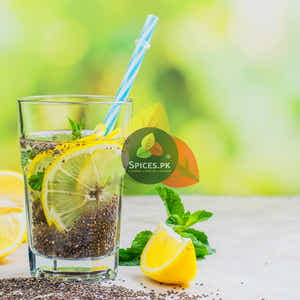
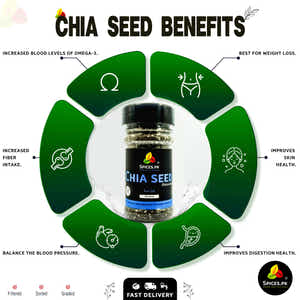
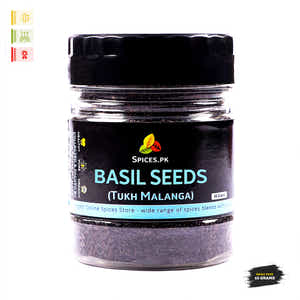
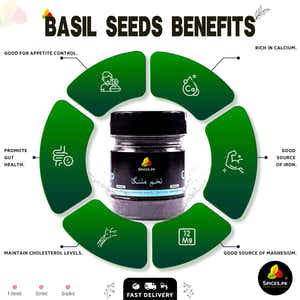
Welcome to Spices.pk, your most trusted source for 100% natural, chemical‑free spices and superfoods. Our premium Basil Seeds – Tukh Malanga (تخم ملنگا / Sabja / Tukmaria) are tiny black seeds from the sweet basil plant (Ocimum basilicum), carefully sourced and dried to preserve their powerful nutritional profile. Unlike chia seeds which need hours to swell, our basil seeds form a cooling, gelatinous coating in just 5–10 minutes, making them the perfect addition to your favourite summer drinks. Packed with the highest dietary fibre among all seeds (40.85g per 100g), they are a natural laxative that supports digestive health and relieves constipation. Rich in iron, calcium, magnesium, and omega‑3 fatty acids (ALA), they help control blood sugar, regulate cholesterol, keep you feeling full for longer, and naturally cool your body during Pakistan’s scorching summers. Whether you're making falooda, adding them to Rooh Afza, or creating your own detox lemonade, Tukh Malanga is the superfood your family has trusted for centuries—now available fresh and pure from Spices.pk.

Basil Seeds (تخم ملنگا)
Why Choose Spices.pk Basil Seeds (تخم ملنگا)?

What Are Basil Seeds (Tukh Malanga / تخم ملنگا)?
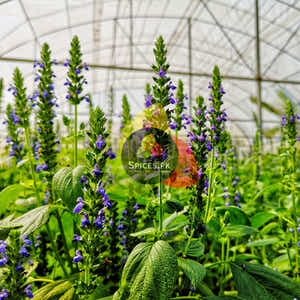
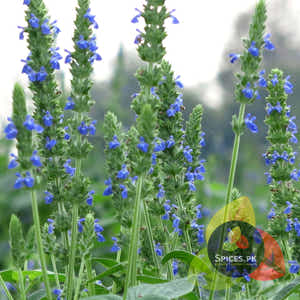
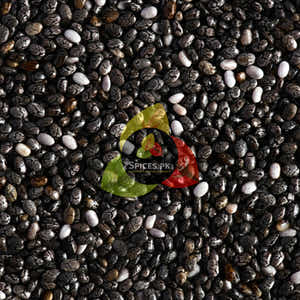
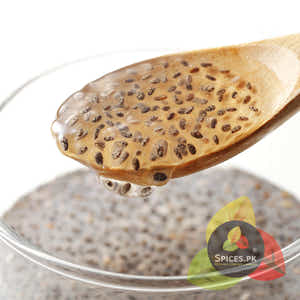
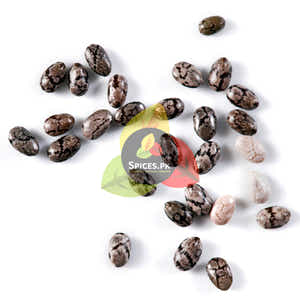
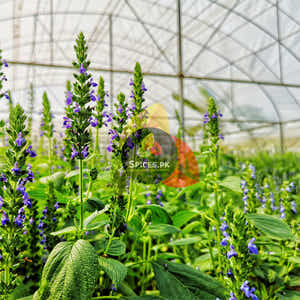
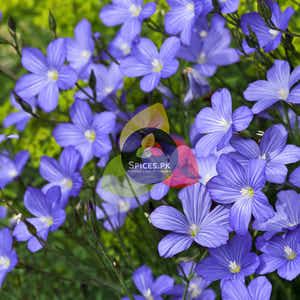
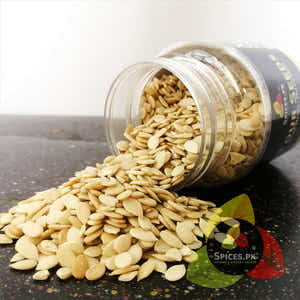
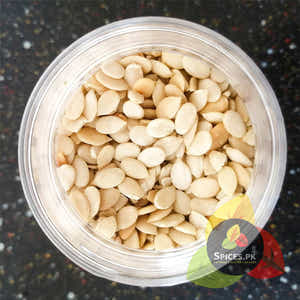
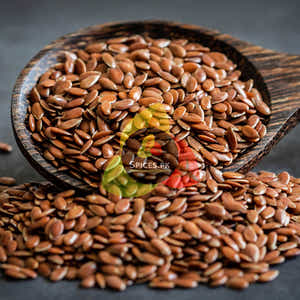
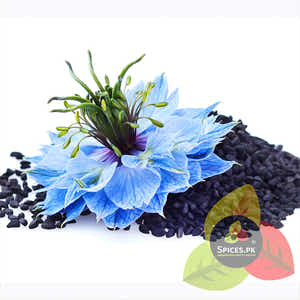
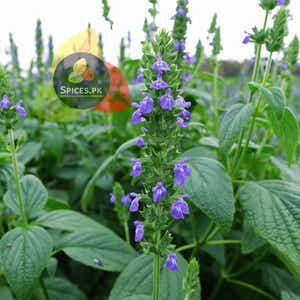
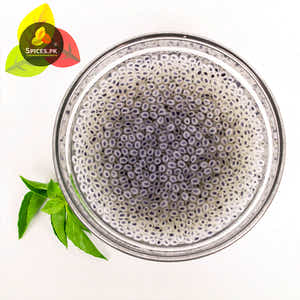
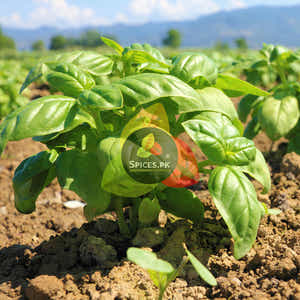
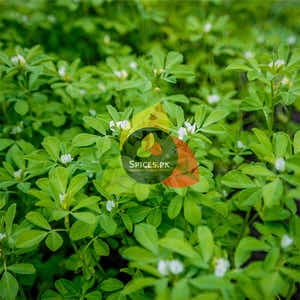
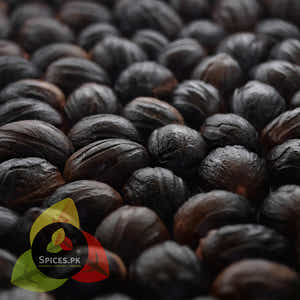
Basil seeds, known in Pakistan and Urdu as Tukh Malanga (تخم ملنگا), also called Tukmaria or Sabja seeds, are the small black seeds of the sweet basil plant (Ocimum basilicum). Despite being from the same plant family as the basil leaves used in Italian cooking, these seeds are harvested specifically for their nutritional and medicinal properties. Unlike fresh or dried basil leaves, which are used as a herb, basil seeds are valued for their ability to absorb water and expand into a gelatinous, translucent coating when soaked.[reference:0]
Native to tropical Asia, the sweet basil plant has been cultivated for thousands of years across India, Pakistan, Iran, and Thailand.[reference:1] The seeds are harvested between March and June, then sun‑dried to preserve their potent nutritional profile.[reference:2] One tablespoon (13g) of basil seeds provides 7g of dietary fibre (25% of the recommended daily intake), along with iron, calcium, magnesium, and omega‑3 fatty acids.[reference:3] A 2023 comparative study published in the International Journal of Food Properties found that basil seeds contain 40.85g of dietary fibre per 100g—significantly higher than chia seeds (34g)—as well as higher levels of vitamin A (1583µg/100g), vitamin E (779µg/100g), and α‑linoleic acid (ALA).[reference:4]
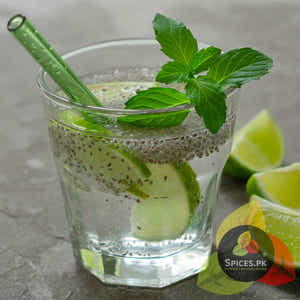
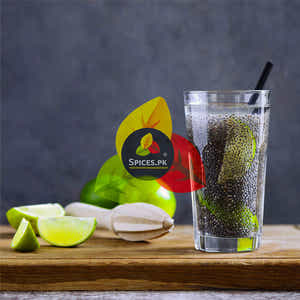
In South Asian traditional medicine, including Ayurveda and Unani, Tukh Malanga has been used for centuries as a natural remedy for digestive disorders, constipation, acidity, and excessive body heat. Their cooling (misri) effect makes them a beloved ingredient in summer drinks such as falooda, Rooh Afza sharbat, and homemade lemonades. Whether you're looking to improve your digestion, manage your weight, or simply stay refreshed in the heat, these tiny black seeds are a centuries‑old solution backed by modern science.
A 5,000‑Year Legacy: The Ancient History of Basil Seeds
The history of basil seeds spans over 5,000 years, deeply rooted in the traditional medicine systems of South and Southeast Asia. Sweet basil (Ocimum basilicum) is believed to have originated in tropical Asia, with wild varieties found across India, Pakistan, Iran, Thailand, and other parts of the region.[reference:5] The seeds, as well as the leaves, have been used in Ayurveda for millennia. In this ancient system, basil seeds are considered tridoshic (balancing Vata, Pitta, and Kapha) and are valued for their cooling, digestive, and rejuvenating properties.[reference:6] They were traditionally prescribed to relieve constipation, treat acidity and heartburn, reduce body heat, and improve mental clarity.
Basil seeds were also a staple in traditional Chinese medicine, appearing in classic texts such as the Shennong Bencaojing (The Divine Farmer's Materia Medica), one of the oldest pharmacopoeias in the world.[reference:7] In Persia (modern‑day Iran), a variety known as "Tokhm Sharbati" (شربتی تخم) was collected at the Isfahan bazaar as early as 1958 and specifically used to make a refreshing beverage with sugar and water.[reference:8] The name "Tukh Malanga" itself has Persian origins: "tukh" means seed, and "malanga" refers to the basil plant. Across Central Asia, these seeds were valued not only for their health benefits but also, according to some historical records, used as a form of currency in certain regions.[reference:9] Today, Pakistan remains one of the largest consumers and importers of basil seeds, with dried seeds from India, Iran, and Afghanistan being re‑exported to Middle Eastern and European markets. Ancient soldiers are even said to have consumed basil seeds before battle for sustained energy—earning them the title "the runner's food".


































































































































Faqs


