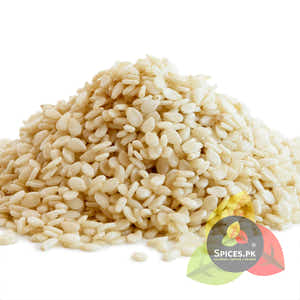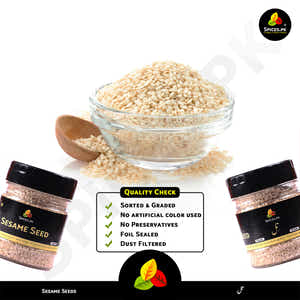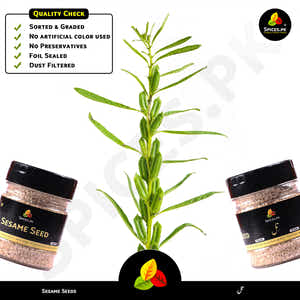
Skip to product information
1 of 7
Brand Logo Spices.pk
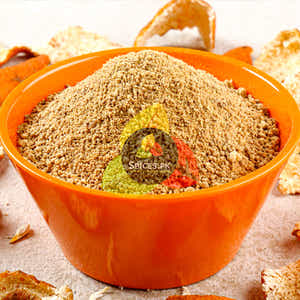
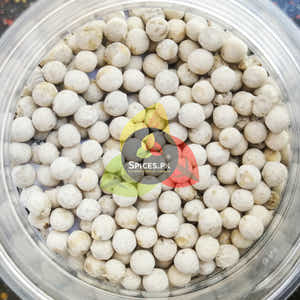
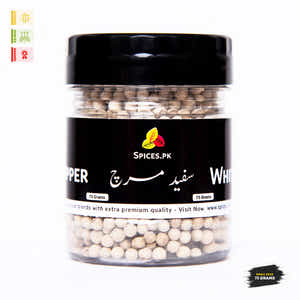
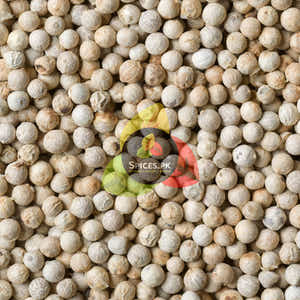
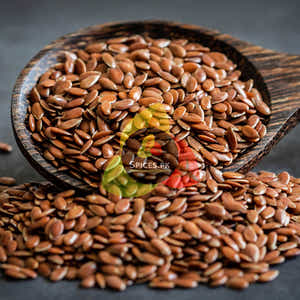
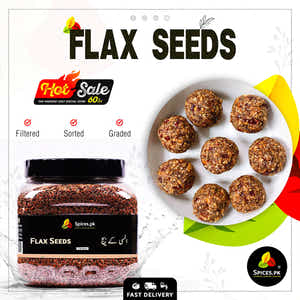
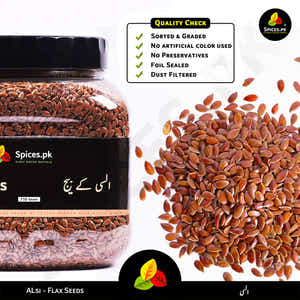
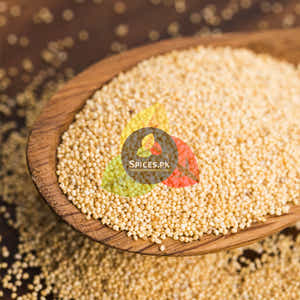
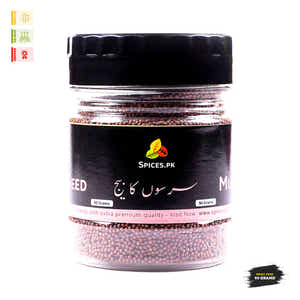
Rai Dana - Sabut Rai - Al Khardal Habb - Whole Mustard Seeds - Brassica Juncea Seeds
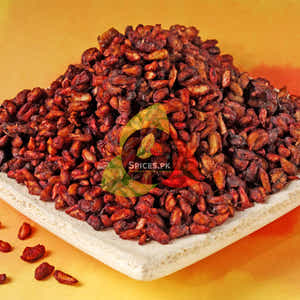
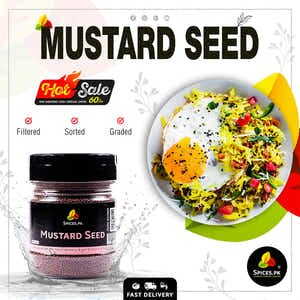
Mustard Seeds - Rai Dana (رائی دانہ)
Pansar - Whole - Spices
0 only
Trust & Payment — Enhanced Visuals
Free Shipping
Orders over 2000 PKR
Secure Payment
256-bit SSL & fraud protection
24/7 Support
via WhatsApp & chat

⚡ Accepted Payment Methods

  • Visa
  • Mastercard
  • PayPal
✅ Trusted by 10,000+ customers · PCI compliant
SKU: 51214020512141
Barcode: 51214020512141
View full details

Premium Whole Mustard Seeds (رائی دانہ / Rai Dana) – Pungent Brown Mustard for Pickles, Tadka & Heart Health

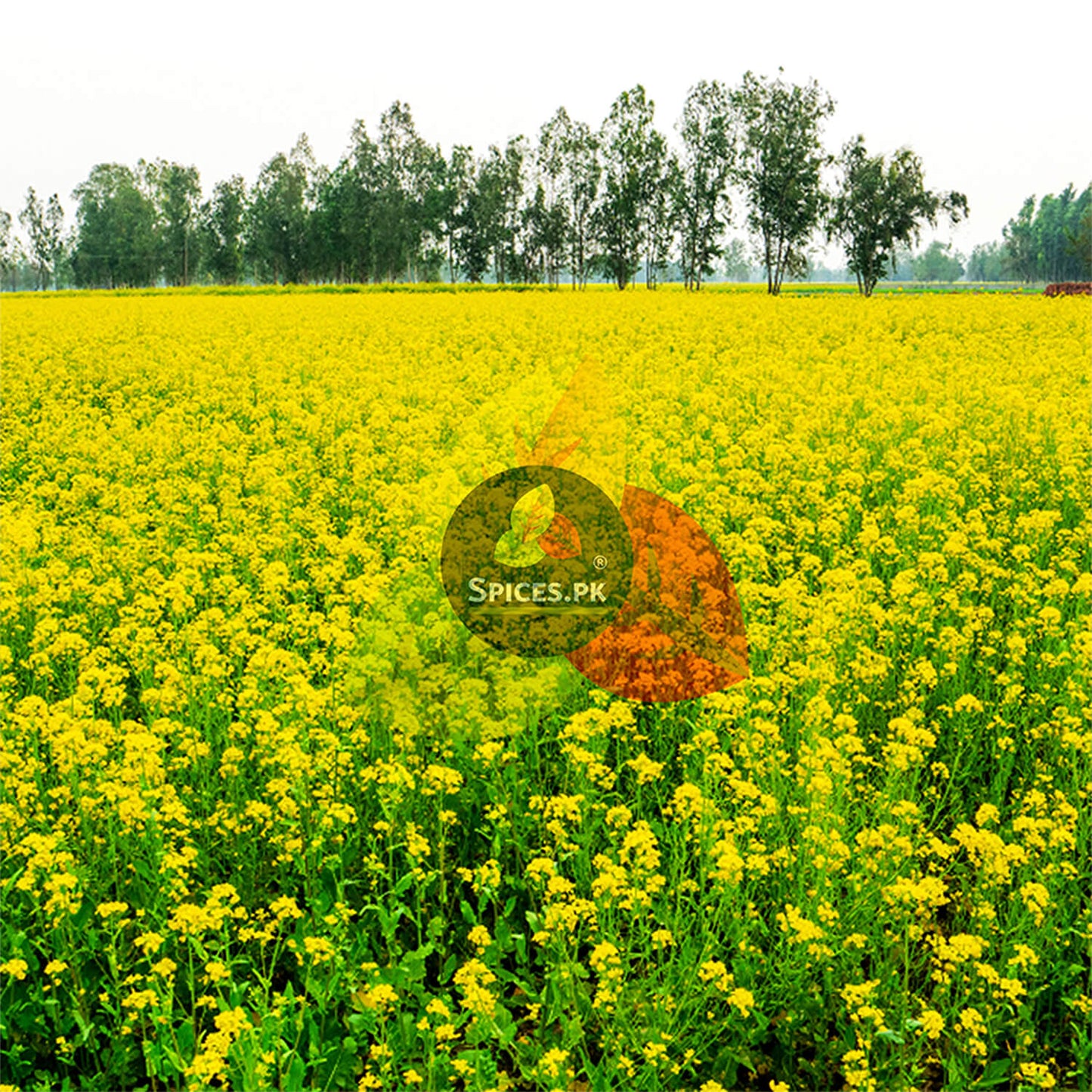
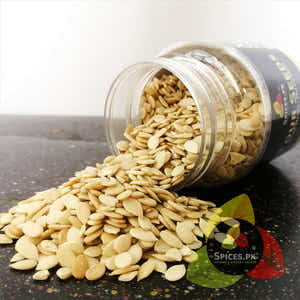
Welcome to Spices.pk, your most trusted source for 100% organic, chemical‑free spices and superfoods. Our premium Mustard Seeds – Rai Dana (رائی دانہ / Brassica juncea) are carefully harvested, sun‑dried, and packed fresh in Pakistan. These tiny, pungent brown seeds are an essential spice in every Pakistani kitchen – from pickles (achaar) and tempering (tadka) to curries and fish dishes. Rich in glucosinolates, sinigrin, and omega‑3 fatty acids, they offer powerful anti‑inflammatory, antibacterial, and heart‑protective benefits. Nutritionally, 100g provides 508 kcal, 12g dietary fibre, 18.5mg iron (103% DV), 520mg calcium (52% DV), 680mg potassium, and 300mg magnesium (75% DV). Whether you crackle them in hot oil for daal, grind them into pickles, or use them for mustard oil extraction, our whole Rai Dana delivers authentic pungency and wellness – from ancient Ayurveda to your table.

100% Organic Whole Mustard Seeds – Premium Rai Dana for Pickles, Tadka & Heart Health

Mustard Seeds (رائی دانہ)

Why Choose Spices.pk Mustard Seeds (رائی دانہ / Rai Dana)?

🌱100% Organic & Non‑GMO – No pesticides, fillers or artificial colours
💪Rich in Glucosinolates (Sinigrin) & Omega‑3 – Promotes heart health, reduces inflammation & fights cancer
🩸Exceptionally Rich in Iron (18.5mg/100g – 103% DV) – Supports healthy blood & prevents anaemia
🔥Naturally Antibacterial & Preservative – Helps preserve pickles naturally for months without spoilage
🕌Halal Certified – Pure, safe and authentic for all Pakistani households
Premium Freshness – Whole seeds lock in pungency; crush or crackle just before use for maximum flavour
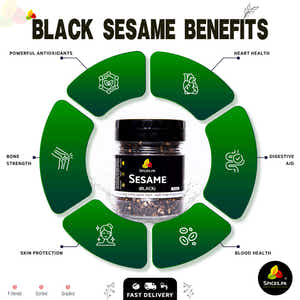
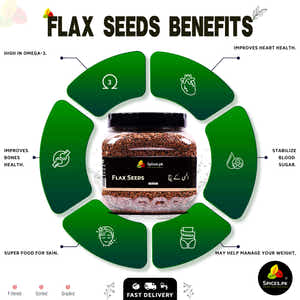
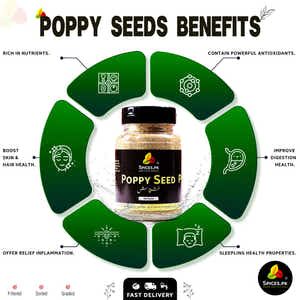
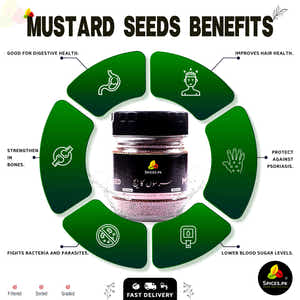
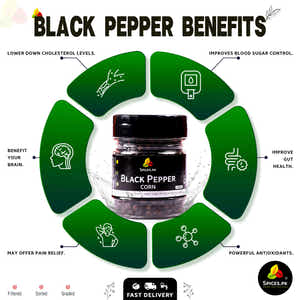
Health benefits of mustard seeds – digestive support, heart health, antioxidant rich, pain relief, antibacterial

What are Mustard Seeds (رائی دانہ / Rai Dana)?

Mustard Seeds (رائی دانہ / Rai Dana) are the small, round seeds of various mustard plants belonging to the Brassicaceae family. The three main varieties used globally are:

  • Black Mustard (Brassica nigra): The smallest but most pungent and spicy – traditionally the 'true' mustard seed.
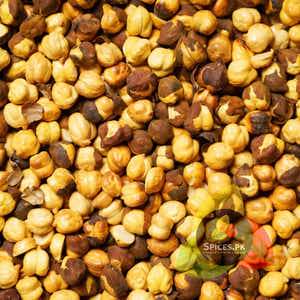
  • Brown Mustard (Brassica juncea): Medium heat, commonly used in Indian and Pakistani pickles, curries and oil extraction. Our product is primarily Brown Mustard.
  • Yellow/White Mustard (Sinapis alba): The mildest variety, with larger, light‑tan seeds used in American and European yellow mustard preparation.

In Pakistan, we generally use Brown Mustard seeds, known as Rai (رائی), Kali Sarson (کالی سرسوں) or Banarasi Rai, and they are a staple in spice blends, pickling, and for extracting pure mustard oil.

Nutritional profile per 100g of mustard seeds: approximately 508 kcal, 28g carbohydrates, 12g dietary fibre (44% DV), 26g protein, 36g fat, and exceptional mineral content: iron (18.5mg – 103% DV), calcium (520mg – 52% DV), potassium (680mg – 19% DV), magnesium (300mg – 75% DV), phosphorus (520mg – 52% DV), zinc (6.5mg – 43% DV), and selenium (208µg – 296% DV). They are also a rich source of omega‑3 fatty acids (alpha‑linolenic acid) and B‑vitamins. The key bioactive compounds include glucosinolates (sinigrin), which convert to isothiocyanates (allyl isothiocyanate) – responsible for the pungent heat and most health benefits.

Whether you live in Lahore, Karachi, Islamabad, Rawalpindi, or any other city in Pakistan, our premium whole mustard seeds deliver unmatched pungency, aroma, and nutritional power – a tiny treasure that has been used for over 5,000 years.

A Spice With 5,000+ Years of Culinary & Medicinal Heritage

Mustard seeds have a fascinating history that spans over 5,000 years. They are one of the world's oldest spices, described in Indian and Sumerian texts dating back to 3000 BCE. Mustard was cultivated by the ancient Egyptians, who placed the seeds in Pharaoh Tutankhamun's tomb (c. 1323 BCE) as a cherished everyday item for the afterlife. The ancient Greeks considered it a common spice and used it as a preparation for sore muscles – the word 'mustard' itself originates from Latin 'mustum ardens' meaning 'burning must', referring to the early Roman practice of grinding the seeds and mixing with unfermented grape juice.

The spice is mentioned frequently in Greek and Roman writings (Hippocrates, Dioscorides, Pliny the Elder) and in the Bible; in the New Testament, the tiny mustard seed is used as a symbol of faith and the kingdom of God (Matthew 17:20). In the Indian subcontinent, Gautama Buddha told the parable of the grieving mother (Kisa Gotami) and the mustard seed in the 5th century BCE, teaching that death is common to all. In Ayurveda and Unani medicine, mustard seeds are used as a carminative, digestive stimulant, and external poultice for joint pain and inflammation.

Today, Nepal is the world's largest producer of mustard seeds (230 million tonnes, 27% of global output), followed by Russia, Canada, Malaysia, and the United States. Pakistan is a significant producer of rapeseed‑mustard, cultivated over 307,000 hectares with an annual production of 233,000 tonnes, contributing about 17% to the domestic production of edible oil. Spices.pk is proud to bring this historically revered, scientifically validated spice to your table in its purest, most authentic organic form.

📜Mustard Seeds (Rai Dana) for Holistic Health – Evidence‑Based Benefits
Modern scientific research confirms what ancient Ayurvedic and Unani medicine has known for centuries. Mustard seeds are packed with glucosinolates (sinigrin) and omega‑3 fatty acids, which are widely known for reducing inflammation and lowering the risk of cardiovascular diseases and cancer. The active compound sinigrin, when crushed, converts to allyl isothiocyanate (AITC), which has demonstrated potent anticancer properties by inhibiting cell proliferation and inducing apoptosis. Compounds called isothiocyanates may also help reduce liver cell proliferation and protect against environmental toxins. Mustard seeds exhibit antioxidant, anti‑inflammatory, antidiabetic, anticancer, antibacterial, antifungal, and neuroprotective effects. For heart health, the seeds are a good source of monounsaturated fatty acids (MUFAs) and an almost 1:1 ratio of omega‑3 to omega‑6 fatty acids, helping maintain a healthy inflammatory balance. For digestive health, the seeds have carminative properties and stimulate the secretion of digestive enzymes. High in magnesium (300mg per 100g), they may even help relax the nervous system and relieve headaches. The seeds' natural antibacterial properties also make them an effective preservative for pickles. Tip: Use in moderate culinary amounts; very high doses may cause mild stomach upset.
📌HEART HEALTH & ANTI‑INFLAMMATORY
The omega‑3 fatty acids and sinigrin in mustard seeds help lower LDL cholesterol, reduce triglycerides, and decrease systemic inflammation. A 2019 study in the Journal of Nutrition found that regular mustard seed consumption improved lipid profiles and reduced markers of oxidative stress.
📌DIGESTIVE HEALTH & NATURAL PRESERVATIVE
Mustard seeds stimulate digestive enzymes and have carminative properties, relieving gas, bloating, and indigestion. Their antibacterial properties (allyl isothiocyanate) inhibit the growth of mould and bacteria, making them a natural preservative for pickles (achaar) – keeping them fresh for months without artificial additives.
📌IRON RICH & ANAEMIA SUPPORT
With 18.5mg of iron per 100g (103% DV), mustard seeds are an excellent plant‑based source of iron. Regular use in cooking can help prevent iron‑deficiency anaemia, reduce fatigue, and improve haemoglobin levels – especially beneficial for women, growing children, and vegetarians.
🌿Mustard Seeds Other Names & Language Guide
Urdu: رائی (Rai) / رائی دانہ (Rai Dana) / کالی سرسوں (Kali Sarson)
English: Brown Mustard Seed, Black Mustard Seed, Yellow Mustard Seed
Hindi: राई (Rai) / बनारसी राई / काली सरसों
Bengali: সরিষে (Shorisha) / কালো সর্ষে
Gujarati: રાઈ (Rai)
Punjabi: ਸਰਸੋਂ (Sarson) / ਰਾਈ (Rai)
Tamil: கடுகு (Kadugu)
Telugu: ఆవాలు (Avalu)
Kannada: ಸಾಸಿವೆ (Sasive)
Malayalam: കടുക് (Kaduku)
Marathi: मोहरी (Mohari)
Arabic: خردل (Khardal)
🌐Name in 12 Languages
🇵🇰 Urdu: رائی / رائی دانہ / کالی سرسوں 🇪🇸 Spanish: Semillas de mostaza 🇫🇷 French: Graines de moutarde 🇩🇪 German: Senfkörner 🇮🇹 Italian: Semi di senape 🇨🇳 Chinese: 芥菜籽 (Jiècài zǐ) 🇯🇵 Japanese: マスタードシード (Masutādo shīdo) 🇷🇺 Russian: Горчичные семена (Gorchichnyye semena) 🇹🇷 Turkish: Hardal tohumu 🇦🇪 Arabic: بذور الخردل (Buthur al‑khardal) 🇮🇳 Hindi: राई / बनारसी राई 🇧🇩 Bengali: সরিষে / শর্ষে
🗺️Top Producing Countries (Mustard Seeds, 2025)
🌍 Global mustard seed production exceeds 850 million tonnes annually (including rapeseed). Top producers: 🇳🇵 Nepal (world's largest, 230.05 million tonnes, 26.98% of global output), 🇷🇺 Russia (183.43 million tonnes, 21.51%), 🇨🇦 Canada (161.78 million tonnes, 18.97%), 🇲🇾 Malaysia (144.24 million tonnes, 16.91%), 🇺🇸 United States (45.94 million tonnes, 5.39%), 🇮🇳 India, 🇵🇰 Pakistan (307,000 hectares cultivated, 233,000 tonnes annual production, contributing ~17% to domestic edible oil), 🇧🇩 Bangladesh. Pakistani mustard is primarily grown in Punjab and Sindh.
📤Top Exporters (Mustard Seeds, 2024‑2025)
  • 🇨🇦 Canada – world's largest exporter (~0.2 million tonnes annually), supplying USA, Europe, Japan
  • 🇷🇺 Russia – second, exports to Europe and Asia
  • 🇳🇵 Nepal – third, exports to India and South Asia
  • 🇩🇪 Germany – major EU re‑exporter
  • 🇵🇰 Pakistan – growing exporter to Afghanistan and Middle East
  • 🇮🇳 India – exports to Bangladesh, Pakistan, Middle East
  • 🇧🇩 Bangladesh – regional supplier
Historical Background: From Pharaohs to Buddhist Parables
Mustard seeds were found in Tutankhamun's tomb (1323 BCE). Sumerian texts (3000 BCE) mention mustard. The Greek physician Hippocrates used mustard plasters. The Bible mentions the mustard seed as a symbol of faith (Matthew 17:20). Gautama Buddha told the parable of Kisa Gotami and the mustard seed (5th century BCE). Romans mixed mustard with grape must ('mustum ardens' – burning must). Today, mustard is a global culinary and medicinal staple.
✨ Spices.pk – Authenticity you can taste. Our Organic Mustard Seeds (رائی دانہ) are the best for your heart health, pickles, and family wellness. Trust the original, trust Spices.pk. ✨
How to Use Mustard Seeds Pakistani Kitchen & Wellness Tips
🔥
Tadka / Tempering (تڑکا): Heat 2‑3 tablespoons of ghee or oil until shimmering, then add ½‑1 teaspoon of whole mustard seeds. Wait for them to crackle and pop (just a few seconds – be careful not to burn) before adding other aromatics (curry leaves, asafoetida, cumin). This technique is the foundation of countless daals, vegetable curries (aloo gobi, baingan bharta), and pickles, releasing the seeds' nutty, pungent aroma.
🥒
Achaar (Pickles – اچار): Mustard seeds are a non‑negotiable ingredient in traditional Pakistani pickles (mango, lemon, carrot, mixed vegetable). Their natural antibacterial and preservative properties help keep pickles fresh for months without artificial additives. Use the seeds whole, or coarsely grind them as a base for the masala paste.
🌶️
Curries, Korma & Fish Dishes (سالن اور مچھلی): Add a pinch of crushed mustard seeds (or whole, tempered) to mutton korma, chicken karahi, or Bengali‑style fish curry (macher jhol). The seeds blend beautifully with other spices and offer a gentle, warming pungency that balances rich, fatty dishes.
🧴
Mustard Oil (Sarso Ka Tel – سرسوں کا تیل): Our mustard seeds are an excellent source for extracting pure, cold‑pressed mustard oil, widely used for cooking, frying, and even as a massage oil for joints. It has a high smoke point and adds a distinct, pungent heat to dishes like sarson da saag (mustard greens).
🧊
Storage Tip (ذخیرہ): Keep mustard seeds in an airtight glass jar in a cool, dark, and dry place away from direct sunlight and moisture. Whole seeds retain their potent aroma and pungency for 18‑24 months. Because of their natural antibacterial properties, they do not require refrigeration to prevent mould. For maximum flavour, crackle them in hot oil just before use.
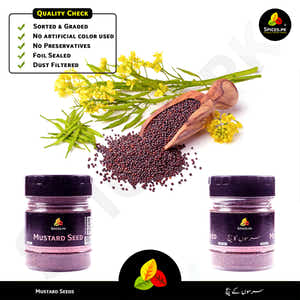
📦 Ingredients: 100% Pure Raw Organic Whole Brown Mustard Seeds (Brassica juncea) – No additives, no preservatives, non‑GMO, gluten‑free, vegan, halal.
🚚 Order now for fast delivery across Pakistan – from Spices.pk, your premium organic spice & superfood store.
Spices.pk tree
Spices.pk | Premium Spices Banner – Desktop Only

Faqs

Collapsible content

✅ Are your spices 100% organic and pure?
Absolutely! We source directly from organic farmers in Pakistan and abroad. All our products – from Organic Turmeric Powder (Haldi) to Black Seeds (Kalonji) – are certified organic, no artificial colours, no preservatives, and no fillers. We regularly test for purity and heavy metals.
💰 Do you offer Cash on Delivery (COD) in Pakistan?
Yes! We offer Cash on Delivery to all cities in Pakistan, including Karachi, Lahore, Islamabad, Rawalpindi, Faisalabad, Multan, Peshawar, Quetta, and even remote areas. COD is free – you pay only when you receive your order.
🚚 How long does shipping take?
We process orders within 24 hours (except Sunday/holidays). Major cities: 2‑3 business days. Other cities: 3‑5 business days. Remote areas: up to 7 business days. You'll receive a tracking number via SMS/email once shipped.
🔄 What is your return / refund policy?
If you receive a damaged or wrong product, contact us within 7 days of delivery. We'll arrange a replacement or full refund (no extra cost). For unopened, resalable items you can return within 7 days (buyer pays return shipping). Refunds processed in 5‑7 business days.
📦 Can I buy spices in bulk or wholesale?
Yes! We supply hotels, restaurants, bakeries, and online resellers. For wholesale pricing on 1kg, 5kg, or 25kg packs, email us at contact@spices.pk or use our contact form. We also offer custom private labelling.
🌟 What makes your spices different from local market spices?
Most local market spices contain fillers or artificial colours. We provide single‑origin, lab‑tested spices with full traceability. Our Red Chilli Powder is 100% pure without brick powder or dye. Our Cinnamon Sticks have high essential oil content – you can taste the difference.
🔒 Is your packaging resealable and hygienic?
Yes! All our spices come in food‑grade, BPA‑free stand‑up pouches with zip‑lock. This keeps your spices fresh for months and prevents spilling. The packaging also includes batch number, expiry date, and storage instructions.
🌍 Do you ship internationally?
Currently we ship only within Pakistan (including AJK and Gilgit‑Baltistan). We plan to launch international shipping soon. For international customers, please ask a friend/relative in Pakistan to order on your behalf.
💳 Which payment methods do you accept?
We accept Cash on Delivery, credit/debit cards (Visa, Mastercard, Amex), EasyPaisa, JazzCash, and bank transfer for bulk orders. All online payments are PCI‑compliant – your card data is never stored on our servers.
🕌 Are your products Halal certified?
Yes – 100% Halal. We do not use any alcohol‑based processing, gelatin, or non‑halal ingredients. Many of our spices (e.g., Gond Katira, Kalonji) are used in traditional Islamic medicine. Halal certificate available on request.
🧴 How should I store spices to keep them fresh?
Store in a cool, dark, dry place (avoid above stove or near window). Keep the zip‑lock sealed. Whole spices last up to 2 years; ground spices best within 6‑8 months. Never use a wet spoon – moisture ruins them.
🍲 Do you sell whole spices, powders, or both?
We sell both! For each spice we usually offer whole, powder, and sometimes crushed/flakes. Check the product dropdown for options. Whole spices last longer; powders are more convenient.
Skip Details